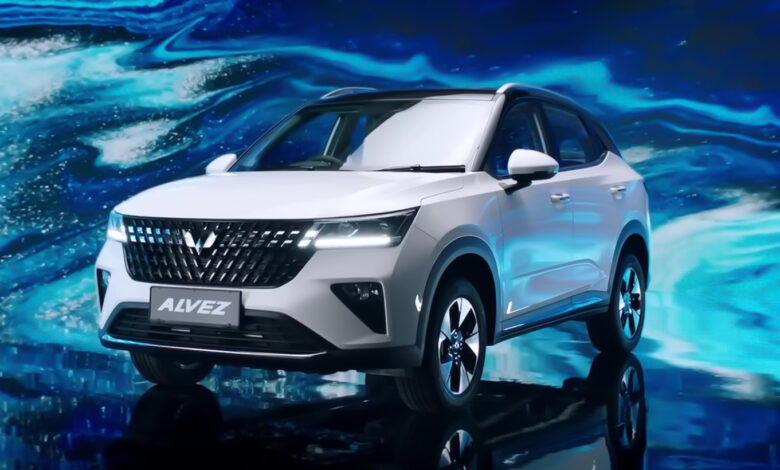
Electric cars under Rp200 million are no longer being treated as a second-choice purchase in Indonesia. In June 2026, the segment is increasingly filled with compact models that offer more practical features, lower running costs, and a design suited to daily urban use.
The shift matters because this price band has long been dominated by small gasoline cars. Now, electric vehicles are entering the same territory with a stronger value proposition, especially for buyers who want efficiency without giving up basic comfort.
Why the market is moving so fast
Better battery efficiency and lower production costs have helped manufacturers price entry-level electric vehicles more competitively. At the same time, more brands are joining the segment, which gives buyers a wider set of options with different strengths.
The appeal is not limited to the purchase price. In this class, electric cars are now commonly equipped with digital displays, modern infotainment systems, smartphone connectivity, parking cameras, and safety features considered sufficient for everyday use.
What buyers can realistically expect
Most of the attention in this price range goes to compact city cars, and that is not surprising. Their small size makes them easier to handle in crowded streets and more convenient to park in dense urban areas.
Range is another reason the segment is gaining traction. Models in this category generally offer around 200 to 350 kilometers of driving range on a full charge, which is enough for many city users to cover several days of normal commuting.
That does not mean the cheapest model is always the best choice. Some vehicles are better suited for maximizing efficiency in city traffic, while others offer a slightly larger cabin that may be more appealing for small families or users who regularly carry cargo.
Points to check before buying
Battery capacity remains one of the most important considerations in 2026. Larger batteries usually provide longer range, but they also raise the vehicle’s price, so buyers need to balance daily needs against total cost.
Service coverage, spare parts availability, and warranty quality are also becoming more important in purchase decisions. These factors can shape the ownership experience just as much as the sticker price.
Charging infrastructure is expanding as well. Public charging stations continue to grow in major Indonesian cities, helping reduce concerns about access to power on the road.
Some manufacturers now offer home charging solutions too. That makes it easier for owners to charge overnight and start the next day with a full battery without visiting a public station.
A segment that is starting to look mature
The broader trend through 2026 shows that affordable electric cars are no longer just a concept for the future. They are becoming a real part of Indonesia’s automotive market and are beginning to reshape competition in the lower-price segment.
As more manufacturers enter this class, price and feature competition will likely intensify. For consumers, that creates a better chance of finding an electric car that fits daily use while keeping running costs lower than a conventional car.