A wave of concern followed the strong earthquakes that struck Venezuela, but another detail quickly drew attention: some Android users said Google’s warning arrived seconds before they felt the shaking. That timing raised a simple question with an unusual answer — the phone itself was part of the warning system.
The alert that circulated on social media reportedly estimated a magnitude 6.2 quake at about 212.3 miles, or roughly 341 kilometers, from the user’s location. It showed how a device already in a pocket or on a table could help detect a major seismic event before the strongest movement reached people nearby.
How Android turns motion into an alert
The system relies on accelerometers, the same sensors that help phones rotate their screens when users switch to landscape mode. In an earthquake, those sensors can also pick up unusual vibration patterns and send that data to Google’s Android Earthquake Alerts System.
Each phone sends a signal with a rough location when it detects shaking that may be linked to an earthquake. Google then compares signals from many devices in the same area to decide whether the pattern matches a real seismic event.
That network effect is what makes the system work at scale. Google says more than 2 billion Android phones are now part of the network, creating what it describes as the world’s largest distributed earthquake detection system.
Why the warning can arrive before the shaking
Earthquakes do not move as a single wave. They begin with faster P-waves, which travel at around 6 kilometers per second, followed by stronger S-waves that move at roughly 3 to 4 kilometers per second and usually cause more damage.
Android’s warning system is able to catch the earlier motion, send the data almost instantly, and confirm the event before the more destructive waves arrive. Google says the process is essentially a race between the speed of light, which carries the phone’s signal, and the slower speed of seismic waves.
That difference is large enough to matter. Light travels at more than 299,792 kilometers per second, giving the system a short but useful window to verify the quake and warn users in time.
In the Venezuela case, the reported distance from the source of the shaking was around 341 kilometers. At that range, the server can still receive signals from phones, compare them with other device reports, and push out an alert before stronger shaking reaches nearby users.
What users see on Android
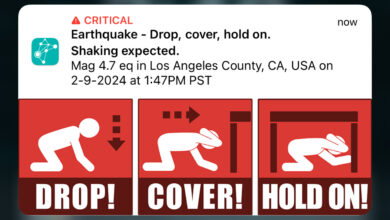
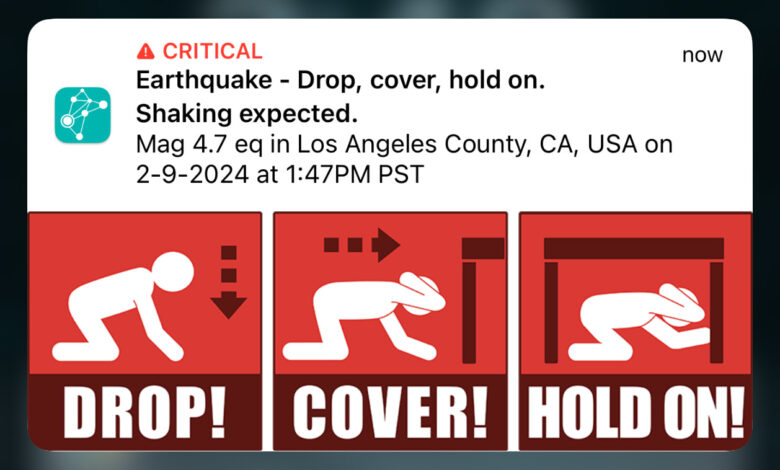
Android offers two main earthquake alert types. The Be Aware Alert is designed for lighter shaking, while the Take Action Alert is meant for moderate to strong quakes so users have time to protect themselves.
When a notification is opened, Android shows safety information, along with a detailed map and an initial estimate of the earthquake’s location and magnitude. The goal is to give users immediate context, not just a warning sound on the screen.
The Android Earthquake Alerts system has been active in India since 2023 on phones running Android 5 and later. Users only receive the alerts when the device is connected to Wi‑Fi or mobile data.
Users can also turn the feature off in device settings if they do not want to receive warnings. The Venezuela alerts underscored how an everyday smartphone can now serve as part of a large early-warning network, delivering a few valuable seconds before major shaking arrives.