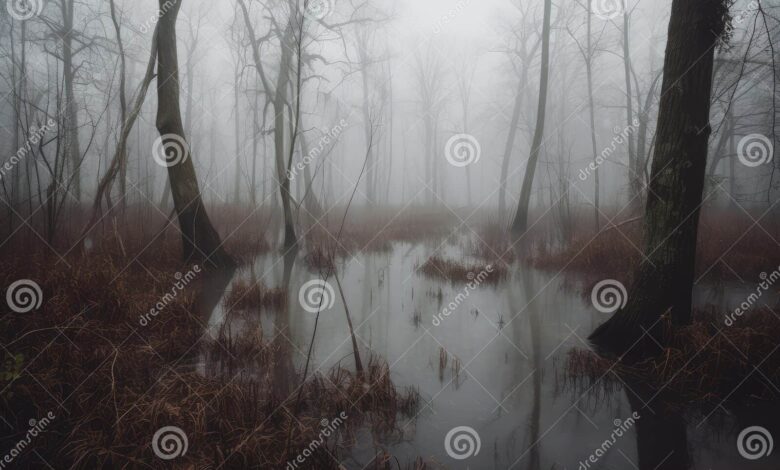
AI-assisted photo editing is increasingly valued not only for convenience, but for the ability to create scenes that still feel believable. One of the most compelling looks now being explored is the misty marsh setting, which brings a quiet, cinematic mood without overpowering the subject.
Gemini AI and prompt-based image generation are helping creators build that atmosphere with more control. Thin fog, still water, marsh plants, and wild grass can add depth that is difficult to recreate in ordinary locations.
Why a misty marsh works so well in AI photos
A marsh has visual traits that feel different from a park or urban backdrop. Water reflections, soft haze, and layered vegetation naturally create drama while still looking calm.
Natural tones such as deep green, brown, and gray support a balanced palette. With controlled lighting, the result can feel elegant even when the scene carries a sense of mystery.
What keeps the result natural
Composition matters if the edit is meant to look realistic. A relaxed pose, a calm facial expression, and a gaze that does not always face the camera help the image feel more spontaneous.
The background should still include details such as marsh trees and plants so the environment feels real. The mist also needs to stay subtle enough that it supports the subject instead of hiding identity.
| Prompt Direction | Scene Setup | Lighting Mood | Key Visual Detail |
|---|---|---|---|
| Standing at the marsh edge | Subject stands near the water and looks into the distance | Soft morning light | Realistic shadows and calm expression |
| Walking on a small wooden path | Subject walks casually and turns toward the camera | Natural daylight | Water reflections and wet leaves |
| Sitting on an old log | Subject sits with one hand resting on the knee | Morning light | Light mist with natural skin tone |
| Standing beside an old tree | Subject stands with arms crossed in front of the body | Warm late afternoon light | Soft, realistic reflections |
| Walking after light rain | Subject moves along the marsh edge | Cloudy sky | Small water splashes and matching shadows |
| On a simple wooden bridge | Subject stands on a bridge crossing the misty marsh | Soft natural light | Thin fog, still water, relaxed smile |
Six prompt directions that fit the scene
The first direction places the subject standing upright at the marsh edge while looking into the distance. It asks for morning light, realistic shadows, and a calm expression with focused eyes.
The second direction shows the subject walking on a small wooden path and glancing back at the camera. In this setup, reflections on the water and wet foliage are important for strengthening the natural look.
The third direction puts the subject on an old log with one hand resting on the knee. The mist is kept light, while morning lighting helps preserve a natural skin tone.
The fourth direction uses an old tree as the anchor point, with the subject standing nearby and crossing both arms in front of the body. A warm late-afternoon tone gives the scene a soft and realistic finish.
The fifth direction captures the subject walking along the marsh edge after light rain. Cloud cover, tiny water splashes, and shadows that match the light direction help the photo feel grounded.
The sixth direction positions the subject on a simple wooden bridge over the misty marsh. That prompt emphasizes thin fog around the marsh trees, still water, and a relaxed smile.
How to keep the image convincing
A realistic result depends on asking for sharp environmental detail and a face that remains natural. The eyes should still feel alive, and the lighting needs to match the chosen time of day or weather condition.
The strongest images usually come from using mist as a supporting layer rather than the main focus. That balance allows the photo to look dramatic, natural, and close to a professional shoot.