


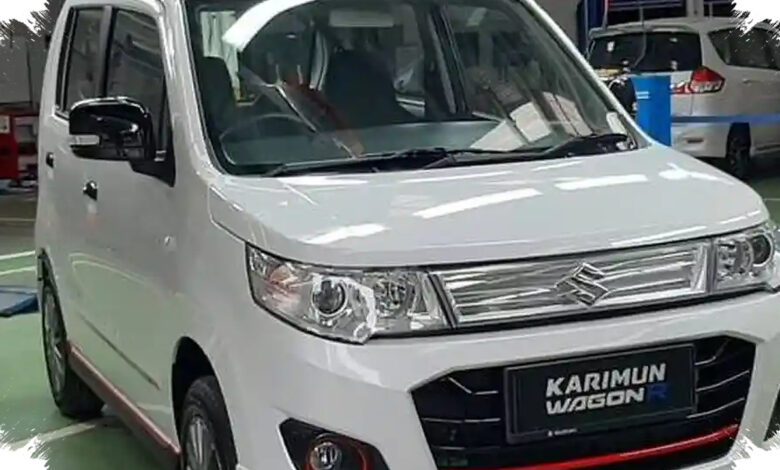
The search for an affordable, fuel-efficient car is becoming more serious as buyers look ahead to 2026. In that conversation, Suzuki Karimun continues to stand out because it matches the priorities many urban drivers now value most: low running costs, compact dimensions, and easy ownership.
What keeps the model relevant is not a single feature, but a combination of practical advantages that fit everyday city use. For many buyers, that matters more than a flashy badge or a larger body that is harder to live with in tight streets.
Why Suzuki Karimun remains in the discussion
Suzuki Karimun has long been known in Indonesia as a practical car for daily mobility. Its reputation is built on efficiency, simple maintenance, and a format that works well for individuals and small families.
The model also carries a distinctive design identity. Its exterior remains compact, yet the cabin has a reputation for feeling roomier than many expect from a city car.
This balance helps explain why the name Karimun still appears in conversations about sensible urban transportation. It offers a package that feels straightforward, useful, and easy to understand for buyers who prioritize function.
Ownership costs are part of the appeal
As consumers become more careful about total ownership costs, fuel use and routine servicing have moved closer to the center of the decision-making process. A low purchase price is no longer enough on its own if the car becomes expensive to run later.
Karimun has continued to benefit from a strong image in this area. It is widely associated with relatively manageable operating costs, including fuel consumption and regular maintenance needs.
That reputation gives it a practical advantage in a market where many buyers now compare not just what a car costs to buy, but what it costs to keep on the road. For city-focused owners, that calculation often matters more than appearance.
| Ownership Factor | Why It Matters | Karimun’s Appeal |
|---|---|---|
| Fuel Consumption | Reduces daily running costs | Known for efficiency |
| Routine Service | Helps control long-term expenses | Seen as relatively affordable to maintain |
| City Use | Supports easy daily driving | Compact and practical |
Built for crowded streets and tight parking
Urban mobility remains one of Karimun’s strongest use cases. Its compact footprint makes it easier to move through narrow roads and dense residential areas where larger cars can feel cumbersome.
The same advantage shows up again when parking space is limited in shopping centers or office districts. A smaller turning radius also helps the driver maneuver with less stress in confined spaces.
For buyers who spend most of their time in traffic-heavy cities, that kind of agility can matter more than engine size or visual presence. The result is a car that feels practical before anything else.
The cabin remains a hidden selling point
Another reason Karimun still holds attention is its interior layout. The tall roof design helps create a more open feeling inside, especially for headroom.
That cabin character supports comfort during short daily trips and repeated use throughout the day. It also makes the car a plausible choice for small families that want something compact without giving up basic space.
In this segment, cabin comfort is often a quiet advantage rather than a headline feature. Karimun has long benefited from that kind of appeal because it delivers usefulness in a simple package.
Rumors point to a more modern direction
Recent discussion around Karimun has not been limited to fuel savings and practicality. There is also speculation that a newer concept could arrive with more modern equipment than earlier versions.
Among the features mentioned in rumors are a touchscreen infotainment display, Android Auto, Apple CarPlay, a rear parking camera, parking sensors, smart key access, and a digital instrument panel. None of these details has been officially confirmed by Suzuki.
Even so, the model’s core image remains unchanged for now. Karimun is still viewed as a rational choice because it combines efficiency, easy maneuverability, and a cabin that feels more accommodating than its compact size suggests.