A compact ESP32-based device is drawing attention for a different way to share encrypted files with selected people. Called Memento, the open-source project is designed to release access only after a countdown ends, unless the owner stops it first.
That approach is aimed at situations where the owner cannot hand over access in person at the required moment. The file stays locked until the time condition is met and the intended recipient enters their own PIN.
How the access delay works
Memento was shown by the user notrice on the ESP32 subreddit. The basic idea is straightforward: the owner uploads an encrypted file to the device and shares a specific PIN with the person allowed to open it.
When that PIN is entered, the device does not open the file immediately. Instead, it starts a countdown, and the owner still has full control to stop the process by entering a master PIN before time runs out.
This makes file access intentionally delayed rather than instant, unlike conventional storage systems. It can be useful when data should only be released if the owner does not cancel before the deadline.
Separate access for different people
One of Memento’s main strengths is that it can assign different files to different users. Each PIN can be tied to a specific file, so not every recipient sees the same data.
The timer can also be set separately for each person. That means one user may wait for a shorter period while another may have a longer delay, depending on the owner’s setup.
This gives the device the feel of a small data library that does not open all at once for everyone. Access is controlled not only by encryption, but also by user identity and separate timing rules.
| Feature | What It Does |
|---|---|
| Encrypted file upload | Stores files in locked form on the device |
| User PIN | Starts the countdown for a specific recipient |
| Master PIN | Lets the owner cancel access before the timer ends |
| Separate timers | Allows different wait times for different people |
Built to stay power efficient
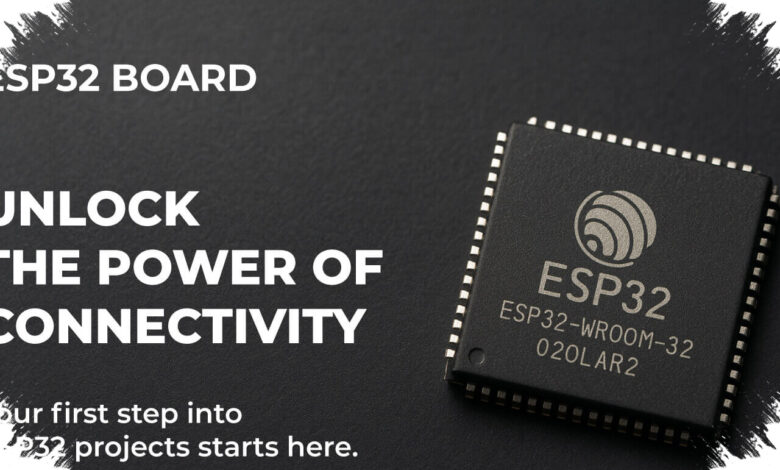
The device is built on the ESP32-S3, specifically the Waveshare ESP32-S3-ePaper-1.54. That choice followed an earlier Raspberry-based approach that was considered too power-hungry for a device meant to last for a long time on a single charge.
Memento uses a 200×200 e-ink display, a PCF85063 RTC module for timekeeping, a LiPo battery, and two buttons. The component mix was chosen to support low power consumption over long periods of use.
The e-ink screen is one of the most important parts because it needs very little power. In the intended use case, the power profile is said to be low enough for the device to last a very long time on one charge, possibly for months.
That efficiency makes the ESP32 a better fit for this scenario than a more common single-board computer. The device does not need to burn large amounts of energy just to keep files stored and the timer running.
More than a normal file storage device
What separates Memento from standard file storage is the logic behind how access is granted. Files are stored in encrypted form, while the PIN system and countdown act as the gate before the recipient can eventually open them.
If the owner still wants to hold back access, the master PIN can be used at any point before the countdown finishes. That means the final decision remains with the owner until the deadline truly passes.
The result is a balance between automation and manual control. The recipient does not need to wait for a physical handoff, but the owner also does not lose the ability to cancel access before the chosen moment.
In practical terms, the device can be seen as a data distribution tool with planned delay. Its focus is not on large capacity or a complex interface, but on specific access control and disciplined timing.
Because it is open-source, Memento also gives other users the chance to study or build their own version. The materials needed to make the device are available through the project’s GitHub page.