


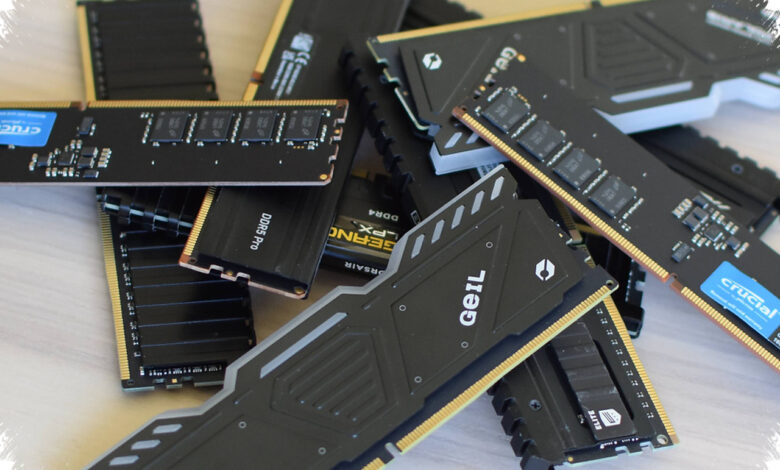
The global RAM shortage is no longer just a supply-chain headache. It is now part of a legal fight that puts Samsung, SK Hynix, and Micron under renewed scrutiny for how they handled DRAM output as demand tightened across the industry.
The proposed class action, filed in federal court in California, accuses the three memory giants of limiting DRAM supply while keeping prices elevated. Consumers and businesses behind the case say that move helped intensify a market shock that is already feeding through to phones, laptops, data centers, and finished electronics.
Why DRAM sits at the center of the dispute
DRAM is one of the most widely used memory components in modern devices. It appears in everything from smartphones and notebooks to AI data centers, which means even a small imbalance between supply and demand can ripple far beyond the semiconductor sector.
The complaint argues that Samsung, SK Hynix, and Micron together control nearly the entire global DRAM market. That level of concentration, the plaintiffs say, gave their production decisions outsized influence over memory availability worldwide.
| Company | Role in the market | Alleged issue in the lawsuit |
|---|---|---|
| Samsung | Major global DRAM supplier | Accused of helping restrict supply and sustain higher prices |
| SK Hynix | Major global DRAM supplier | Accused of helping restrict supply and sustain higher prices |
| Micron | Major global DRAM supplier | Accused of helping restrict supply and sustain higher prices |
Claims of coordinated restraint
According to the filing, the companies began managing DRAM supply and pricing in 2022, when demand was weak. The plaintiffs say the result was a roughly 700 percent increase in prices over four years.
The lawsuit also alleges that the three suppliers reduced production at the same time rather than competing through output increases. It further claims they coordinated a shift toward high-bandwidth memory, or HBM, while stepping away from older DDR3 and DDR4 modules.
That shift, the complaint argues, pulled conventional DRAM out of circulation at the same time prices were climbing. In a competitive commodity market, the plaintiffs say at least one producer would normally be expected to raise output when prices rise sharply, but that did not happen here.
The filing says none of the three companies used rivals’ lower output to win customers. Instead, the plaintiffs contend, all three moved to tighten supply at once.
AI demand changed the economics
One of the biggest background forces in the case is the surge in demand for HBM used in AI data centers. AI companies have been willing to pay heavily for that memory, and the lawsuit says suppliers have shifted attention away from ordinary memory sold into consumer devices.
Micron has already shut down its consumer memory unit, Crucial, to focus on AI customers. The U.S.-based company also recently signed 16 new memory supply agreements running through 2030, a sign that pressure in the market may not ease soon.
That pressure is already reaching retail products. Apple recently became the latest company to raise prices on some of its devices because memory costs increased.
Phone makers including OnePlus and Nothing have also raised prices in recent months. The dispute over DRAM is therefore no longer limited to upstream chip makers, because it is starting to affect consumers directly.
Why new rivals cannot quickly fill the gap
The case also argues that DRAM is extremely hard for new entrants to challenge. A single DRAM fab can cost between $15 billion and $20 billion and take years to build.
Other barriers include production techniques protected as trade secrets for decades and U.S. export controls that limit China’s access to the latest equipment. Even after chips are made, large buyers typically require 12 to 18 months of qualification before they can use a new supplier.
That means outside producers cannot quickly step in if the biggest players decide to hold back output. In the plaintiffs’ view, this makes the market unusually vulnerable when supply is restrained by the dominant firms.
A market with a long legal history
This is not the first time the memory industry has faced antitrust allegations. The lawsuit cites a U.S. Department of Justice investigation into an alleged conspiracy covering the period between 1998 and 2022.
In that case, Samsung and SK Hynix pleaded guilty and paid fines of nearly $300 million and $185 million respectively. Micron did not receive a fine because it reported the alleged conspiracy and cooperated with prosecutors.
The complaint also points to another period of price increases between 2016 and 2018 that triggered a U.S. class action and a Chinese government probe. The plaintiffs say the current allegations show a third cycle in the same market, involving the same companies.
The companies have not publicly responded to the lawsuit, and no hearing date has been set. The plaintiffs are seeking injunctive relief, treble damages, and recovery of litigation and legal costs as the case moves forward.