


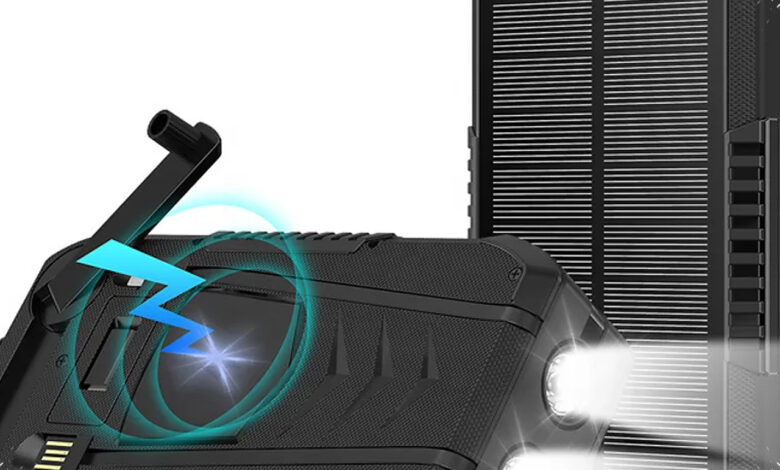
Power banks have become everyday essentials for smartphone users, but a low price and a large capacity should not be the first things that attract attention. The bigger issue is whether the device can charge safely and last long enough for regular use.
Cheap products on the market often come with tempting claims, yet quality batteries and protection systems are not always part of the package. That gap can affect not only the power bank itself, but also the phone being charged.
Safety matters more than capacity alone
Capacity still matters, but it should be matched to actual needs. For normal daily use, 10,000 mAh is generally enough to support smartphone charging.
A 20,000 mAh unit is more suitable for people who travel often or need to recharge several times. Choosing the right size keeps the device practical instead of unnecessarily bulky.
Protection features should not be skipped
Good power banks should include protection against overcurrent, overvoltage, short circuits, and heat. These safeguards are important because charging involves direct electrical flow to the main device.
With stronger protection systems, the risk of damage can be reduced during use. That becomes especially important for people who charge devices while moving between places.
Brand reputation often signals better quality
Well-known brands usually offer more reliable batteries and more mature safety systems. Unclear or unbranded products may look affordable, but their durability and performance consistency are harder to trust.
A slightly higher price from a trusted brand can be worth it when the device is expected to protect a smartphone. In this category, the extra cost often reflects better peace of mind.
Fast charging must match the phone
Users with fast-charging phones should consider a power bank that supports the same feature. It can make charging more efficient when daily activity is busy and time is limited.
Compatibility still has to be checked carefully so the charging process works properly. The number and type of ports also matter, especially USB-A and USB-C, because they affect flexibility in different situations.
| Key Factor | What to Look For | Why It Matters |
|---|---|---|
| Capacity | 10,000 mAh or 20,000 mAh based on usage | Keeps the device practical and suited to daily needs |
| Safety | Overcurrent, overvoltage, short-circuit, and heat protection | Reduces the risk of damage during charging |
| Brand | Trusted manufacturers with clear identity | Usually offers better battery quality and safer design |
| Ports | USB-A and USB-C as needed | Improves flexibility for different devices and situations |
Too-cheap offers deserve caution
One of the most common mistakes is choosing a power bank only because it is far cheaper than similar products. In many cases, such devices do not deliver the capacity promised on the label.
The safety system may also be weak, which means savings at the start can turn into greater risk later. That is why a low price should not be treated as the main reason to buy.
Good care extends service life
Even a good power bank needs proper care to stay reliable. It should be stored in a dry and cool place so the battery condition remains stable.
Strong impacts should also be avoided because they can affect the casing and internal components. If the device shows damage or the battery starts to swell, it should no longer be used.
In the end, a safe and durable power bank is not defined by the biggest capacity or the lowest price. The most dependable choice is one that balances the right capacity, solid protection, trusted branding, compatible fast charging, suitable ports, caution toward suspiciously cheap offers, and basic maintenance.