


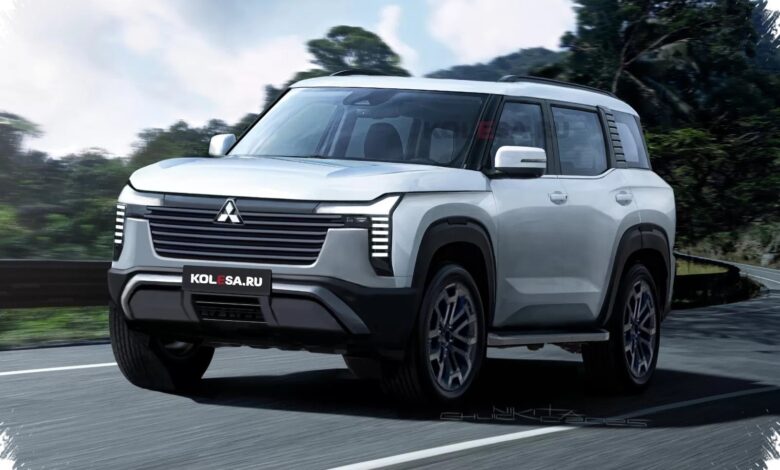
Mitsubishi Pajero 2027 is drawing attention because the next-generation SUV is being linked to a major change in cabin technology and driver assistance. The clearest sign of that shift is the move away from traditional analog instrumentation toward a fully digital interior experience.
If the reported direction proves accurate, Pajero 2027 will be aimed at drivers who expect more than rugged performance from a large SUV. Comfort, connectivity, and smarter vehicle interaction are expected to become central parts of its appeal.
A cabin built around digital control
The biggest update being discussed is the full digital cabin concept. Mitsubishi is said to be preparing a high-resolution digital display that integrates closely with the latest infotainment system.
That setup would give the driver access to navigation, media, and vehicle controls through a more unified interface. It also signals a clear move toward a more modern and intuitive cockpit layout.
Connectivity is also expected to play a much larger role. Pajero 2027 is rumored to support full smartphone integration, making everyday digital access easier inside the vehicle.
Another reported feature is over-the-air software updates, which would allow certain system improvements to be delivered without a visit to the workshop. Remote vehicle monitoring through an official app is also said to be part of the package.
| Reported Technology Area | Expected Function |
|---|---|
| Digital Display | High-resolution instrument layout replacing analog panels |
| Infotainment | Navigation, media, and vehicle controls in one system |
| Smartphone Integration | Full connectivity for daily digital use |
| Over-the-Air Updates | Software improvements without a workshop visit |
| Remote Monitoring | Vehicle status access through an official app |
AI support may become a major selling point
Another major talking point is the reported AI-based driver assistance system. The package is said to include adaptive cruise control, lane keeping assist, and a more responsive automatic braking system.
These features would place safety technology at the center of the model’s identity. For buyers of large SUVs, that kind of active assistance is increasingly important alongside size, power, and comfort.
The direction also reflects a broader shift in the market, where SUV customers are paying closer attention to intelligent safety systems. In that context, Pajero 2027 would not only be competing on toughness, but also on how effectively it supports the driver.
Familiar SUV character, but with a sharper look
Outside the cabin, the Pajero name is expected to keep its traditional rugged identity. That character remains important because it has long defined the model’s appeal.
At the same time, the design is being described as more futuristic. A stronger front grille with modern chrome accents is expected to give the SUV a more premium presence.
Rounding out the updated look, slim LED lights are also said to be part of the styling package. The combination is expected to create a bolder and more contemporary appearance without abandoning the model’s established image.
Efficiency is also part of the next phase
Performance development is said to focus on a new-generation engine that can deliver better efficiency while keeping the strong character associated with Pajero. That balance matters as efficiency becomes a bigger factor for many buyers.
Diesel and hybrid powertrains are reportedly under consideration, which would align the model with global demand for more efficient and cleaner vehicle options. The approach suggests Mitsubishi is trying to preserve capability while adapting to changing expectations.
In the premium mid-to-large SUV segment, Pajero 2027 is expected to face competition from models such as Toyota Fortuner. That makes the combination of a digital cabin, AI assistance, sharper styling, and improved efficiency especially important.
If these reported changes reach production, Pajero 2027 could become one of the most closely watched SUV launches in its class. Its success will likely depend on whether Mitsubishi can turn a familiar nameplate into a more connected and technologically advanced package.