


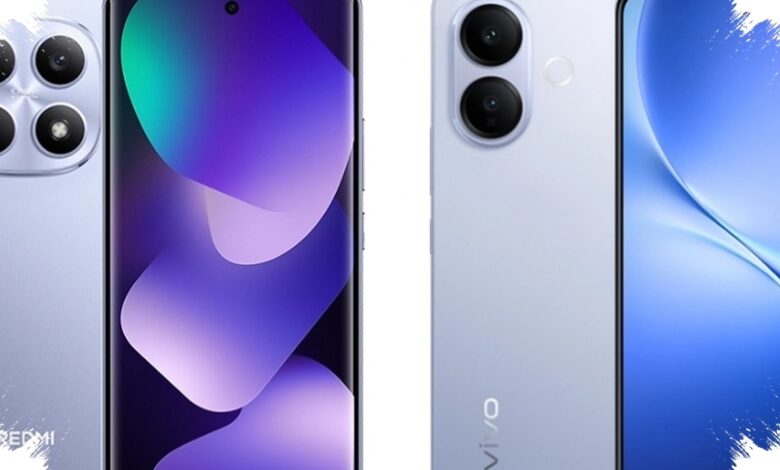
The sub-Rp 2 million phone class is no longer as easy to shop as it once was. Higher component costs and the pressure of global RAM shortages have pushed many models to adjust their specifications, especially memory, display, and network features.
For students and field workers such as ojek online riders, the safest choices now tend to focus on UFS storage, large batteries, and practical features for daily use. That is why the most relevant models in July 2026 are the ones that still balance durability, performance, and enough memory for long-term use.
Why this price segment is changing
Manufacturers have had to adapt their devices to stay competitive in a market shaped by rising input costs and stronger demand for AI infrastructure. One visible result is the return of HD+ panels in more affordable phones, while fully featured models with generous memory are becoming harder to find.
UFS storage has become one of the clearest dividing lines in this segment. Compared with eMMC, it is considered a safer choice for long-term performance, especially for users who rely on a phone for study, navigation, and daily communication.
| Model | Price | Main Strength | Key Trade-Off |
|---|---|---|---|
| Samsung Galaxy A07 | Around Rp 2.5 million | Long software support | HD+ display, no NFC |
| itel S26 Ultra | Around Rp 2.7 million | Curved AMOLED display, large storage | 18W charging, average battery life |
| Infinix Hot 70 | Around Rp 2.6 million | 45W fast charging, IP65 rating | HD+ IPS panel, one microphone |
| POCO M7 | Around Rp 2.7 million | 7,000 mAh battery | Large and heavy body |
| Redmi Note 15 | Around Rp 2.9 million | Balanced features, 108 MP camera | 128 GB is now a minimum baseline |
| iQOO Z10 Lite | Around Rp 2.9 million | IP68 and IP69 durability | Storage still limited to 128 GB |
1. Samsung Galaxy A07
Samsung Galaxy A07 comes with 6/128 GB memory and is priced at around Rp 2.5 million. It is aimed at users who want a stable device with long software support.
Its biggest advantage is a promise of up to 6 updates or 4 Android version upgrades. The rest of the package includes a Helio G99 chipset, a 90Hz PLS display, a 5,000 mAh battery, a 50 MP main camera, an 8 MP selfie camera, and an IP54 rating.
There are also clear limitations. The phone does not support NFC, and its screen resolution is still HD+, so it is better suited to users who value reliability and software longevity over display sharpness.
2. itel S26 Ultra
itel S26 Ultra is sold in an 8/256 GB configuration for around Rp 2.7 million. It stands out because of its curved display and in-display fingerprint sensor, two features that remain uncommon in this price range.
The specifications include a Unisoc T7300 chipset, a 1.5K 144Hz Curve AMOLED display, a 6,000 mAh battery, a 50 MP main camera, a 32 MP selfie camera, and NFC. The large storage also makes it practical for students who need room for apps, study files, and media.
Its weakness is slower 18W charging, while battery endurance is described as ordinary. In practice, this model leans more toward screen quality and storage capacity than charging speed.
3. Infinix Hot 70
Infinix Hot 70 is offered in 6/128 GB form for around Rp 2.6 million. It is designed for users who need quick charging and stronger body protection.
The phone carries an IP65 rating, UFS storage, a 120Hz display, a 6,000 mAh battery with 45W charging, a 50 MP main camera, and NFC. Infinix also promises 3 Android version upgrades for this model.
Its drawbacks are an IPS HD+ panel that falls short of 100% sRGB color coverage and only one microphone. Even so, those limits may be acceptable for users who prioritize efficiency and durability.
4. POCO M7
POCO M7 is one of the largest options in this group, with 8/256 GB memory and a price of around Rp 2.7 million. The combination of large RAM and a jumbo battery makes it attractive for intensive daily use.
Its specification sheet includes a Snapdragon 685 chipset, UFS storage, a 6.9-inch IPS Full HD+ 144Hz display, a 7,000 mAh battery, a 50 MP main camera, and NFC. That battery size gives it a clear advantage for people who spend a lot of time outside the home.
The trade-off is size. The phone is big and fairly heavy, so it is better for users who value endurance more than one-handed comfort.
5. Redmi Note 15
Redmi Note 15 is equipped with 6/128 GB memory and costs around Rp 2.9 million. It offers a neat balance of display quality, camera capability, and battery life.
The device uses a Helio G100 chipset, UFS 2.2 storage, an AMOLED FHD+ display, a 6,000 mAh battery with 45W charging, a 108 MP main camera, and NFC. In this class, the package feels more mature than many of its peers.
At the same time, 6/128 GB is now considered the lower limit in this segment. Users will still need to back up data regularly so storage does not fill up too quickly.
6. iQOO Z10 Lite
iQOO Z10 Lite emphasizes toughness, with an 8/128 GB configuration and a price of around Rp 2.9 million. It is especially relevant for field workers such as ojek online riders who face rain, dust, and heavier daily wear.
The main attraction is its IP68 and IP69 rating, which makes it more ready for extreme conditions. The rest of the hardware includes a Snapdragon 685 chipset, UFS storage, a 120Hz FHD+ AMOLED display, a 6,000 mAh battery, and NFC.
Its weaknesses are performance that does not quite match the Helio G99 and storage that still stops at 128 GB. Even so, for users who place durability first, it remains one of the most relevant options in the segment.
Which one makes the most sense
Samsung Galaxy A07 is the better fit for users who want longer software support, while itel S26 Ultra is the stronger pick for those who want a premium-looking display and larger storage. Infinix Hot 70 is the practical choice for fast charging and body protection.
POCO M7 stands out for anyone who needs a very large battery, while Redmi Note 15 offers the most balanced feature set. iQOO Z10 Lite is the most convincing option for field use, thanks to its resistance to water and dust.
With prices still under pressure, buyers who need a new phone may not want to wait too long. The global memory crunch is expected to continue, which could keep tightening both pricing and specifications in the affordable phone segment.