


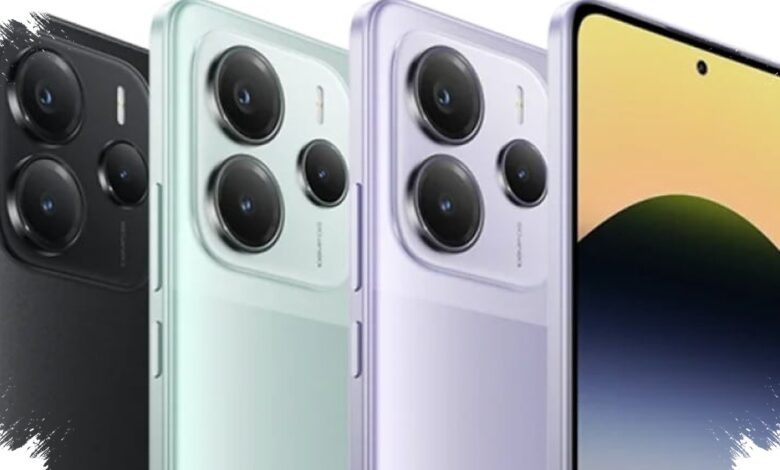
The all-rounder smartphone class has become far more crowded, with options that can handle work, entertainment, and multitasking without feeling slow too quickly. In the Rp2 million to Rp5 million range, buyers now face a choice between battery life, display quality, camera stability, 5G support, and charging speed.
That mix matters because each model in this segment pushes a different strength to the front. Some focus on endurance, others on camera stabilization or long-term software support, while a few are built for performance that starts to feel close to flagship territory.
| Model | Price | Main Strength | Trade-Off |
|---|---|---|---|
| Tecno Pova 6 | Rp2.399.000 | Helio G99 Ultimate, 8 GB RAM, 256 GB storage, 108 MP camera, 6,000 mAh battery | No 5G, no ultrawide camera |
| Realme 13 4G | Rp2.999.000 | AMOLED 120 Hz, Snapdragon 685, 50 MP OIS camera, 67W fast charging | Still 4G |
| Redmi Note 14 5G | Starts at Rp3.199.000 | AMOLED 120 Hz, Dimensity 7025 Ultra, 8 GB RAM, 256 GB storage, 5G, NFC | Charging is not the fastest |
| Vivo Y100 5G | Starts at Rp3.599.999 | Snapdragon 4 Gen 2, AMOLED 120 Hz, 5,000 mAh battery, 80W FlashCharge | 8 MP front camera, 128 GB storage |
| iQOO Z10 Lite | Rp3.699.000 | 6,000 mAh battery, IP68/IP69, 50 MP Sony IMX852 camera, 44W FlashCharge | Snapdragon 685, 128 GB storage |
| Samsung Galaxy A26 5G | Rp4.999.000 | Up to 4 OS upgrades, 50 MP OIS camera, Super AMOLED 120 Hz, Exynos 1380 | 25W charging |
| POCO X7 Pro 5G | Starts at Rp5.199.000 | Dimensity 8400-Ultra, AMOLED 1.5K 120 Hz, 4K video, 6,000 mAh battery, 90W HyperCharge, NFC, IP68 | No microSD slot |
Battery-first options for everyday use
If endurance is the top priority, Tecno Pova 6 and iQOO Z10 Lite stand out quickly. Tecno Pova 6 pairs a 6,000 mAh battery with 8 GB RAM and 256 GB storage, while iQOO Z10 Lite adds IP68 and IP69 protection to the same 6,000 mAh battery class.
Tecno Pova 6 is also the lowest-priced model in the group at Rp2.399.000 in Erafone. Its weakness is clear, however, because it still lacks 5G and does not include an ultrawide camera.
Display and charging matter for daily comfort
Realme 13 4G and Vivo Y100 5G target buyers who spend a lot of time on screen. Realme 13 4G brings an AMOLED 120 Hz display with brightness up to 2,000 nits, while Vivo Y100 5G combines the same smooth panel class with 80W FlashCharge.
Realme 13 4G also adds a 50 MP main camera with OIS and a premium-looking design, but it remains limited to 4G. Vivo Y100 5G is more future-ready on connectivity, although its 8 MP front camera and 128 GB storage are less ambitious.
Models that feel better prepared for the future
Redmi Note 14 5G and Samsung Galaxy A26 5G are the more obvious long-term choices in this list. Redmi Note 14 5G pairs 5G and NFC with a Dimensity 7025 Ultra chipset, 8 GB RAM, 256 GB storage, and a 108 MP camera, while Samsung Galaxy A26 5G promises up to four OS generations of updates.
Samsung also adds a 50 MP OIS camera, Super AMOLED 120 Hz display, and Exynos 1380 chip. Its one notable compromise is 25W charging, which looks modest next to faster rivals in the same segment.
The closest thing to a performance pick
POCO X7 Pro 5G is the most powerful option in the group and the one most likely to attract users who care about speed. With Dimensity 8400-Ultra, an AMOLED 1.5K 120 Hz display, 4K video support, 6,000 mAh battery, 90W HyperCharge, NFC, and IP68 protection, it pushes well beyond the usual all-rounder formula.
The trade-off is the lack of a microSD slot, and the price also moves higher to Rp5.199.000. That makes it the most expensive model here, but also the one with the strongest specification sheet.
iQOO Z10 Lite sits in a different lane by emphasizing durability rather than raw speed. Its 50 MP Sony IMX852 camera, 44W FlashCharge, and protected body make it practical for users who want a more resilient device without moving into a much higher price tier.
At the center of this lineup, the real decision is not simply about which phone is best on paper, but which trade-off feels most acceptable. Buyers choosing from Rp2 million to Rp5 million now have a clear spread: lower prices bring fewer premium extras, while the top end concentrates performance, charging speed, and better water resistance in one package.