


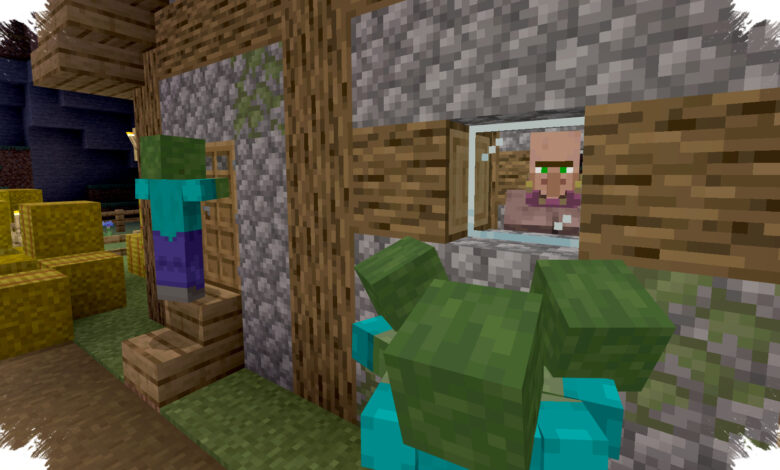
Minecraft is not limited to building freely in an open block world. Its editions are designed around distinct activities, ranging from community-made modifications and cross-platform play to dungeon combat, strategy, and classroom learning.
That distinction matters when choosing where and how to play. The Minecraft name appears across several products, but the available tools, platforms, and core objectives are not the same.
One franchise, several play styles
Minecraft Dungeons shifts the focus away from open-ended building toward an action RPG format. Players explore dungeons, fight monsters, and collect equipment during their journey.
Minecraft Dungeons II continues that adventure-oriented concept with enhanced features. Its emphasis remains on action and story progression rather than unrestricted construction.
Minecraft Legends takes another route through action strategy. Players lead forces, build defenses, and develop tactics against threats in the Minecraft world.
Minecraft Education serves a separate purpose from entertainment-focused editions. It is designed for teachers and students to use interactive Minecraft worlds in learning activities.
| Edition | Main Focus | Key Use |
|---|---|---|
| Minecraft Java Edition | Modification and community | Supports mods, shaders, and community servers on PC. |
| Minecraft Bedrock Edition | Cross-platform play | Connects players on Windows, consoles, and mobile devices. |
| Minecraft Dungeons | Action RPG | Focuses on dungeons, monsters, and equipment. |
| Minecraft Legends | Action strategy | Centers on forces, defenses, and tactics. |
Java and Bedrock serve different priorities
Minecraft Java Edition is the original version widely used on PC. It is known for support for mods, shaders, and community servers, giving players broad freedom to alter their experience.
That flexibility makes Java Edition suitable for players who want to explore community creations and customize the game. Visual changes through shaders and varied server activities are central to its appeal.
Minecraft Bedrock Edition places cross-platform access at the center of its offering. Players on Windows, Xbox, PlayStation, Nintendo Switch, and mobile devices can play together through cross-play.
Bedrock Edition also includes a Marketplace for creator-made additions. Players can find skins, textures, and worlds through the service.
Mobile players are now part of Bedrock
Minecraft on Android and iOS was previously known as Pocket Edition. It introduced Minecraft to mobile devices with touch-screen controls.
Pocket Edition was later merged into the Bedrock system as the game developed. Mobile Minecraft now uses the Bedrock foundation and can connect with players on other supported devices.
This change removed the fully separate mobile ecosystem that existed earlier. Cross-play became a key benefit for players who want to join friends using consoles, Windows PCs, or other mobile devices.
Education adds a learning-focused path
Minecraft Education can support subjects including science, mathematics, technology, and programming. Its interactive worlds provide room for exploration and creativity in learning activities.
The choice of edition ultimately depends on a player’s purpose. Java Edition prioritizes modification, Bedrock simplifies play across devices, while Dungeons, Legends, and Education deliver more specialized experiences.