


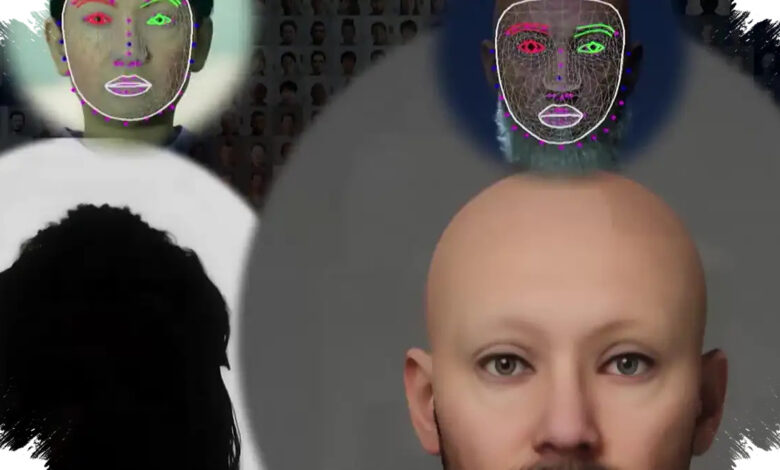
Creators may soon have a new way to identify AI-generated videos that appear to use their faces without permission. TikTok is testing a facial likeness detection system that can surface suspected misuse for review and reporting.
The tool is not yet broadly available and is currently being tested with a limited group of creators in the United States. Participation is voluntary, meaning creators must choose to enroll before they can use it.
The proposed system comes as generative AI makes manipulated videos increasingly difficult to distinguish from authentic recordings. A person’s face can be used in misleading material, scams, or other fabricated content that may damage their digital identity.
How TikTok’s process works
Creators who enroll must first complete identity verification before TikTok can activate the feature. The process requires a selfie and verification of official identification documents through Jumio, a third-party verification service.
This verification is intended to confirm that the person registering is the genuine owner of the facial identity being protected. The system can then distinguish legitimate use from suspected unauthorized use in AI-generated content.
TikTok says it does not retain identification documents uploaded during verification. The facial data collected is said to be used only to match facial likenesses and identify possible identity misuse in AI content.
A detection result will not automatically remove a video from the platform. The creator must review the content found and submit a report to TikTok for handling under the platform’s policies.
| Platform | Technology | Access and requirements |
|---|---|---|
| TikTok | Detects suspected unauthorized use of a creator’s face in AI content | Limited United States test, enrollment and identity verification required |
| YouTube | Detects synthetic or AI-manipulated faces in videos | Available to eligible creators aged at least 18, with identity verification required |
A different use from copyright matching
TikTok is entering an area where YouTube has already expanded its YouTube Likeness Detection technology to eligible creators aged 18 and older. YouTube’s system allows identity owners to find videos featuring their faces synthetically or through AI manipulation.
Creators can request the removal of material they believe violates YouTube’s privacy guidelines. The system has a purpose similar to Content ID in detecting content, but it does not target copyrighted works.
Content ID is designed to recognize copyrighted material, while likeness detection is aimed at AI-based facial simulations. The distinction reflects the growing need for platforms to address identity misuse separately from copyright enforcement.
Medcom, citing The Verge, reported that TikTok’s test arrives as major platforms strengthen safeguards against digital impersonation. The competitive focus is no longer limited to providing AI creation tools, but also includes limiting abuse of the same technology.
Wider rollout remains uncertain
TikTok has not announced a timeline for a wider release or identified other countries that may receive access. The limited trial is expected to inform an evaluation before the system could be opened to more creators.
Tools for spotting AI Deepfakes may become more important as generated images and videos grow more realistic. For creators, facial likeness detection could provide an early warning when their digital identity may be at risk of misuse.