
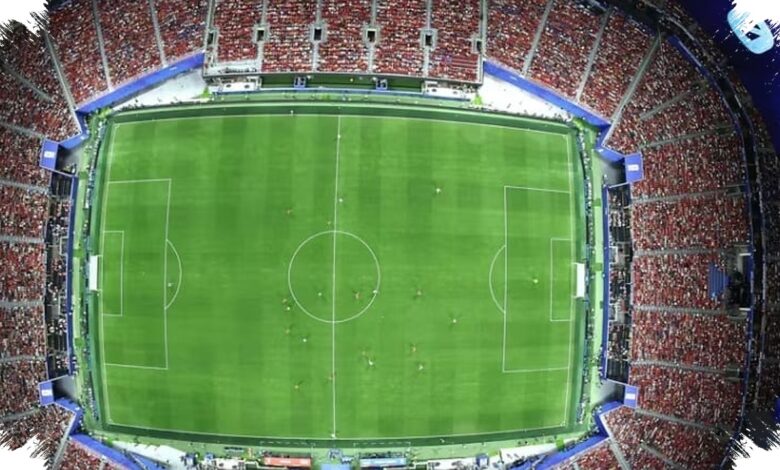
FIFA has spent more than US$5 million developing natural grass for the 2026 World Cup, treating the playing surface as a player-safety priority rather than a routine stadium detail. The project is intended to deliver a consistent natural-grass response across host venues in different climate zones.
That same grass has also become a high-value collectible ahead of the final between Spain and Argentina at New York New Jersey Stadium. FIFA’s Piece of the Pitch collection includes a top-tier Hero package priced at US$3,000.
Natural Grass and Injury Concerns
FIFA’s preference for natural grass is linked to research on player injuries. Medical research cited by Suara.com indicates that serious knee ligament injuries occur less often on natural grass than on synthetic surfaces.
Analysis by a sports health research body also found that almost all common injury types are more frequent on synthetic fields. Those findings support FIFA’s decision to retain natural grass as the tournament standard.
The grass blend includes Kentucky bluegrass and perennial ryegrass. The project also uses hybrid grass to reinforce root structure, while sod is transported on plastic sheets for installation.
Grass material has been brought in from specialist turf farms in North Carolina since early May 2026. The approach is designed to help the surface adapt more quickly once it is laid at host stadiums.
Each Stadium Requires Its Own Method
Creating a natural-grass surface does not always mean rebuilding a stadium field from the ground up. At Lumen Field in Seattle, natural grass was planted over a six-inch sand layer placed above the old synthetic turf.
FIFA turf expert Trey Rogers told the Seattle Times that players would feel nothing other than a natural-grass response as long as the sand layer was present. The arrangement is intended to prevent the stadium’s underlying structure from affecting athlete movement.
BC Place in Vancouver requires a separate logistical process. Refrigerated trucks are used to preserve the grass, while harvesting equipment cuts it into large rolls before installation.
Temperature control and delivery timing are critical because the turf must remain fresh when it reaches the stadium. These steps are meant to prepare the surface for the demands of high-intensity matches.
However, the investment has not eliminated every concern. Several prominent players from the Brazil and France national teams said the grass felt dry and was difficult to play on during the early stage of the tournament.
The complaints underline the challenge of managing a live playing surface under match conditions. FIFA must balance turf adaptation, stadium characteristics, and the expectations of elite footballers.
From Playing Surface to Memorabilia
The 2026 World Cup Grass collection called Piece of the Pitch turns part of the tournament surface into memorabilia with different rarity levels. The available package details include the following options.
| Package | Price | Contents or Description |
|---|---|---|
| Foundation | US$450 | An entry edition for fans and collectors |
| Hero | US$3,000 | Includes a crystal trophy replica and an Adidas Trionda final ball |
The Hero edition is positioned as the most exclusive version of the collection. Its release gives the tournament’s carefully engineered grass a value beyond its technical role on the field.
For FIFA, the project combines the goal of Player Safety with the appeal of a premium tournament keepsake. A surface designed to support player performance can ultimately be preserved as a physical reminder of the World Cup.