


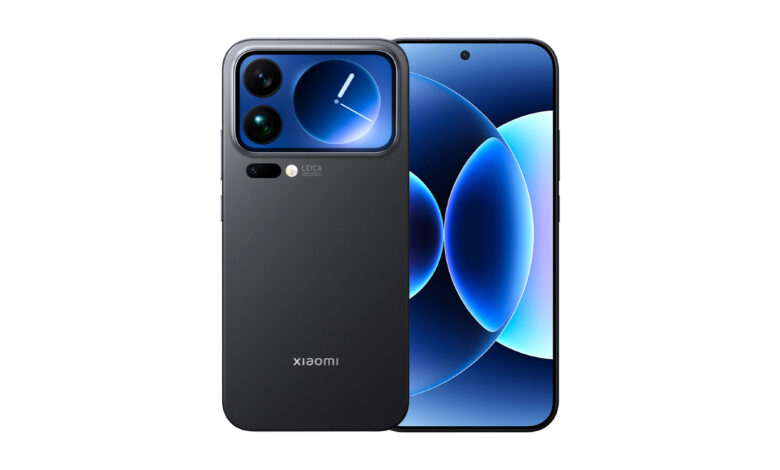
Xiaomi 17T Pro combines a 7,000 mAh silicon-carbon battery with an 8.3 mm body, aiming to offer extended endurance without an excessively thick design. The device weighs 219 grams, placing it among the larger phones built for demanding daily use.
Its hardware is centered on MediaTek’s Dimensity 9500 chipset, an AMOLED display with a 144Hz refresh rate, and 12GB of LPDDR5X RAM. The combination targets users who move between work tasks, multitasking, entertainment, and demanding games.
Display and performance focus
The phone uses a 6.83-inch AMOLED panel with a 1.5K resolution of 2,772 x 1,280 pixels. Peak brightness reaches 3,500 nits, which is intended to improve visibility for photography and content creation in bright sunlight.
Its Default refresh-rate mode can adjust dynamically up to 144Hz, while Custom mode offers settings from 60Hz to 144Hz. Dolby Vision, HDR10+, and Widevine L1 support are included for YouTube and Netflix playback at the highest supported quality.
The Dimensity 9500 is built on a 3 nm process and uses an all-big-core CPU architecture. According to Sumeks, this setup is designed to maintain smooth operation from social-media scrolling to heavier applications and games.
Storage uses the UFS 4.1 standard and is available up to 512GB. A 1TB storage variant is not offered on this generation.
Dimensions compared
| Model | Weight | Thickness |
|---|---|---|
| Xiaomi 17T Pro | 219 grams | 8.3 mm |
| Xiaomi 15T | 210 grams | 8 mm |
Compared with the Xiaomi 15T, the newer model is 9 grams heavier and 0.3 mm thicker. Its flat frame and rear panel are paired with corners designed not to feel sharp during longer use.
The front has slim, symmetrical bezels and an in-display fingerprint sensor. The sensor sits relatively close to the lower bezel, but is described as responsive and accurate.
Flat construction and IP68 protection
A prominent square camera module occupies the rear of the phone, with Leica branding positioned at its center. The rear panel uses Gorilla Glass 7i, while the frame is made of color-matched aluminum alloy.
The materials are intended to provide a premium appearance and scratch resistance, although the rear surface is said to feel somewhat slippery in the hand. The handset also carries an IP68 rating for protection against dust and water splashes.
HyperOS 3 and AI tools
Xiaomi 17T Pro runs HyperOS 3 based on Android 16, with Xiaomi promising up to five Android generation updates and six years of security updates. Xiaomi HyperIsland is also included, allowing up to three real-time notifications to appear in the status bar.
The device is described as Xiaomi’s first phone to support file transfers to iPhones and other Apple devices through Quick Shara and AirDrop without an additional application. This capability is positioned as an added option for users who work across different device ecosystems.
Xiaomi HyperAI includes AI Writing for drafting or refining text from prompts, AI Speech Recognition for transcription and summaries, and AI Subtitles for turning video-call translations into text. Its AI Creativity Assistant adds AI Erase Pro, AI Beautify, AI Image Expansion, and AI Film for instant photo and video editing.