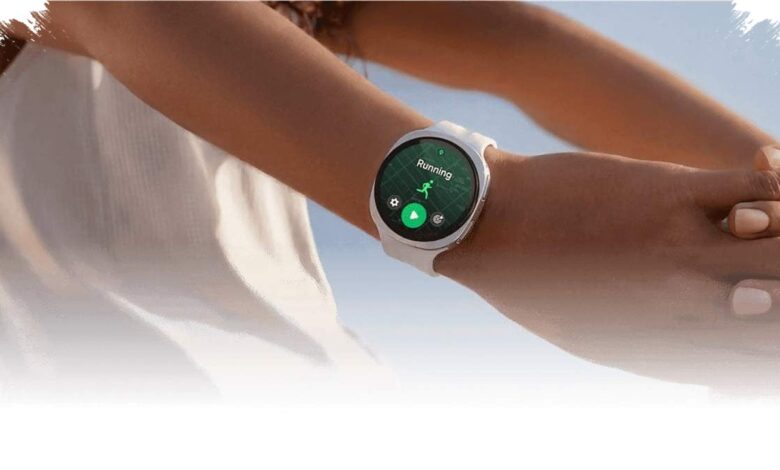
Samsung’s Galaxy Watch 9 is designed to take a more proactive role in health monitoring, using Galaxy AI to identify changes in a wearer’s personal biometric patterns. Its Vitals function can advise users to rest or reduce exercise intensity when significant deviations are detected.
The system needs about seven nights of use to establish an individual baseline. It then tracks five indicators: heart rate, heart rate variability or HRV, blood oxygen, skin temperature, and respiratory rate.
Four tools built around personal health data
Vitals is one of four health-focused functions introduced on the Galaxy Watch 9. The others are Heart Health Score, Daily Cardio Load, and Fitness Index, each intended to turn personal data into practical guidance.
| Feature | Monitoring Focus | User Outcome |
|---|---|---|
| Vitals | Biometric changes from a personal baseline | Early alert before activity |
| Heart Health Score | Overall heart health | Personal score and recommendations |
| Daily Cardio Load | Daily exercise load | Optimal, light, or excessive training assessment |
| Fitness Index | Overall physical fitness | Score and training guidance |
Sharanya Desai of Samsung Digital Health said the feature uses core biometrics to identify meaningful anomalies. Samsung positions the resulting information as guidance rather than medical diagnosis, and it is not intended to replace a doctor’s examination.
Heart Health Score combines BMI, average sleep duration over a week, seven days of physical activity, vascular load during sleep, and the user’s baseline. The result places heart health into categories ranging from low and normal to very good.
Daily Cardio Load is aimed particularly at regular exercisers, including runners. It considers workout intensity, maximum load, real-time heart rate, and activity progress on the day.
The watch identifies whether the training load is in an optimal range, too light, or excessive. Samsung says the best data requires either a week of use or 20 consecutive days of wear.
Fitness Index combines VO2max, heart rate, step count, and daily activity time. Users can set exercise goals and receive guidance on the areas that need improvement.
New chip and brighter display
Galaxy Watch 9 is Samsung’s first smartwatch powered by Qualcomm’s Snapdragon Wear Elite, the same chip used in the Galaxy Watch Ultra 2. It replaces the 3 nm Exynos W1000 used in the Galaxy Watch 8.
Samsung says the new platform improves speed, power efficiency, interface responsiveness, and graphics performance for more complex apps and animations. The watch retains a rounded-square case with a circular display at its center.
Samsung says the body is about 17 percent lighter than the 40 mm Galaxy Watch 8. The watch comes in 40 mm and 44 mm sizes, both with Super AMOLED displays reaching up to 3,000 nits of peak brightness.
The 40 mm version has a 390 mAh battery, about 20 percent larger than the 325 mAh unit in the 40 mm Galaxy Watch 8. Samsung has not detailed the 44 mm battery capacity or normal-use battery life.
Indonesia pricing and pre-order period
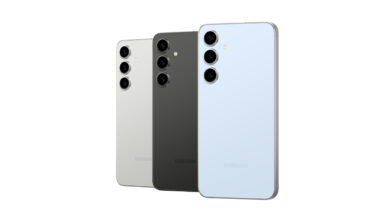
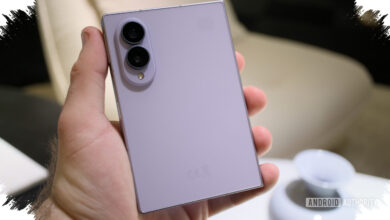
Galaxy Watch 9 was introduced at Galaxy Unpacked in London, England, on Wednesday, July 22, 2026, alongside the Galaxy Watch Ultra 2 and the Galaxy Z Fold 8 and Galaxy Z Flip 8 lines. It also supports Raise to Talk, allowing users to access Google Gemini by raising their wrist and speaking.
| Variant | Price | Pre-order Offer |
|---|---|---|
| Galaxy Watch 9 40 mm | Rp 5.999.000 | Metal band and 60 days of Strava |
| Galaxy Watch 9 44 mm | Rp 6.499.000 | Metal band and 60 days of Strava |
According to tekno.kompas.com, Indonesian pre-orders run from 8:00 p.m. WIB on July 22, 2026, through August 13, 2026. Samsung is also offering trade-in discounts of up to Rp 6,1 juta and cashback of up to Rp 2,8 juta for purchases bundled with the Galaxy Z Fold 8 series.
<<>>