


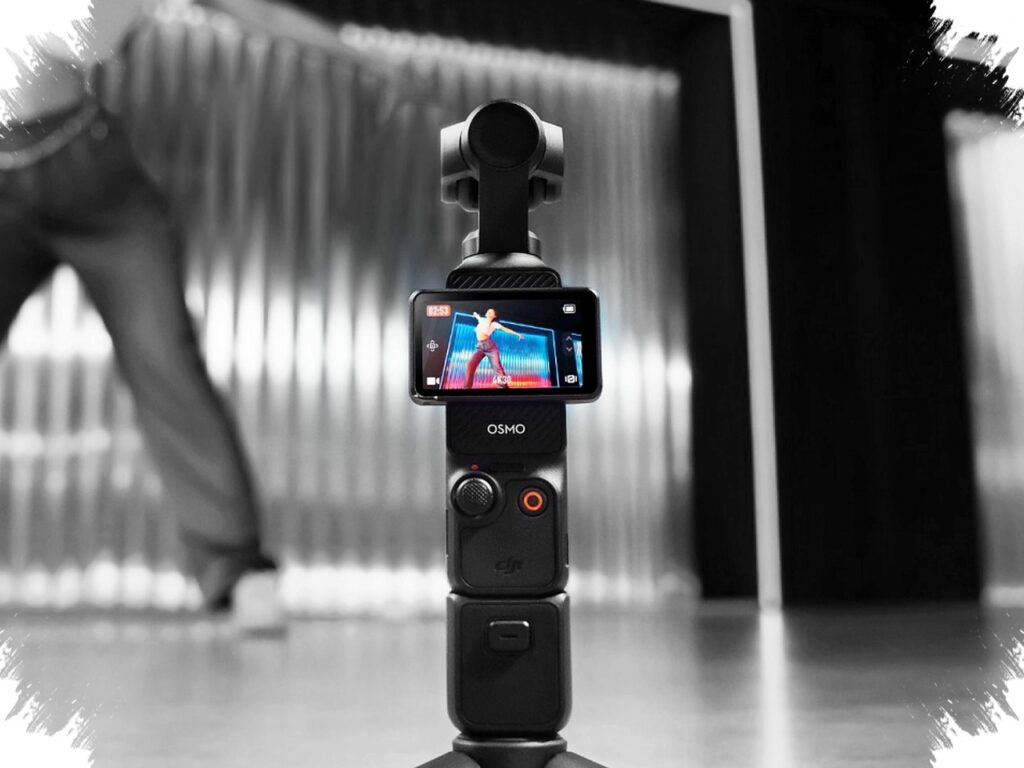
DJI is building strong anticipation around the Osmo Pocket 4, and the latest teaser suggests that the compact gimbal camera may push far beyond the usual expectations for a pocket-sized device. The biggest talking point is the rumored 4K slow-motion recording at 240fps, a spec that would double the 4K 120fps ceiling of the Osmo Pocket 3 and place the new model in a far more aggressive position against larger, more expensive cameras.
If that capability arrives as expected, the Osmo Pocket 4 could become one of the most compelling tools for creators who want professional-looking motion without carrying a full mirrorless setup. DJI has not confirmed every detail yet, but the trail of teasers, leaks, and industry reports has already turned this launch into one of the most closely watched camera releases of the year.
Why 4K 240fps matters
Frame rate is not just a technical number. It determines how cleanly fast action can be slowed down, which is crucial for sports, travel, action scenes, and cinematic content.
At 240fps, footage can be slowed much further while keeping motion smooth and detailed. For creators who export at 24fps, that kind of capture speed can turn one second of real-time action into about ten seconds of slow-motion playback, creating more room for dramatic edits and precise timing.
Notebookcheck reported that this rumored mode would make the Osmo Pocket 4’s slow motion roughly twice as slow and smoother than the Pocket 3. That would not only improve visual impact, but also expand the camera’s usefulness for creators who rely on motion-heavy footage.
What the teaser is hinting at
DJI’s new teaser uses the slogan “The World in my Pocket,” which keeps the company’s focus on portability while signaling a more ambitious video system. The clip does not spell everything out, but it strongly reinforces the ongoing rumor that 4K 240fps is on the way.
That matters because high frame rates remain rare in compact cameras. A device that can record at 4K 240fps in a pocket-friendly form factor would stand out immediately in a market where many serious cameras still stop at lower frame rates.
For many users, the practical value is clear:
- Smooth slow motion for fast-moving subjects.
- Cleaner capture of water splashes, sports, and action scenes.
- More flexibility in editing and pacing.
- A more cinematic look without dropping resolution.
More than just frame rate
The rumored upgrade list does not end with slow motion. Reports also point to a 1-inch stacked CMOS sensor, which would mark an important step up for image quality and speed.
According to the same reporting, that sensor could offer up to 14 stops of dynamic range. That is significant because dynamic range affects how well a camera preserves detail in bright skies, shadows, and mixed lighting.
A stacked sensor also tends to read data faster, which is especially useful when a camera must handle huge amounts of information at very high frame rates. That makes the rumored 4K 240fps mode more realistic from a hardware standpoint, while also suggesting better responsiveness for more demanding video work.
Rumors that raise the stakes further
Other leaks have added even more pressure to the launch. Packaging images have fueled speculation about 6K recording support, although DJI has not confirmed that feature in its teasers.
If 6K does arrive alongside 4K 240fps, the Osmo Pocket 4 would offer a rare combination of high resolution, extreme slow motion, built-in stabilization, and true pocket portability. That mix could make the device especially attractive to vloggers, travel creators, and solo shooters who need strong results with minimal gear.
A simple comparison shows why the discussion has heated up:
| Feature | Osmo Pocket 3 | Osmo Pocket 4 (rumored/teased) |
|---|---|---|
| 4K slow motion | 120fps | 240fps |
| Sensor | 1-inch | 1-inch stacked CMOS |
| Dynamic range | Not highlighted in teaser | Up to 14 stops |
| Higher-resolution video | Not noted | Possible 6K |
| Internal storage | Not emphasized | Rumored |
A serious threat to bigger cameras
The bigger story is not just about specs. It is about how much camera performance can now fit into a tiny body.
Mirrorless cameras still hold clear advantages in lens flexibility, manual control, and advanced production workflows. Even so, a pocket camera with 4K 240fps would directly challenge the value proposition of some much more expensive models from Sony, Canon, and Panasonic, especially in content creation scenarios where speed and portability matter more than interchangeable lenses.
DJI is set to launch the Osmo Pocket 4 on April 16, and more clues are likely to surface before then. The closer that date gets, the more the market will watch for confirmation on slow motion, sensor upgrades, internal storage, and whether the Pocket line is about to move from compact convenience into true pro-level territory.