


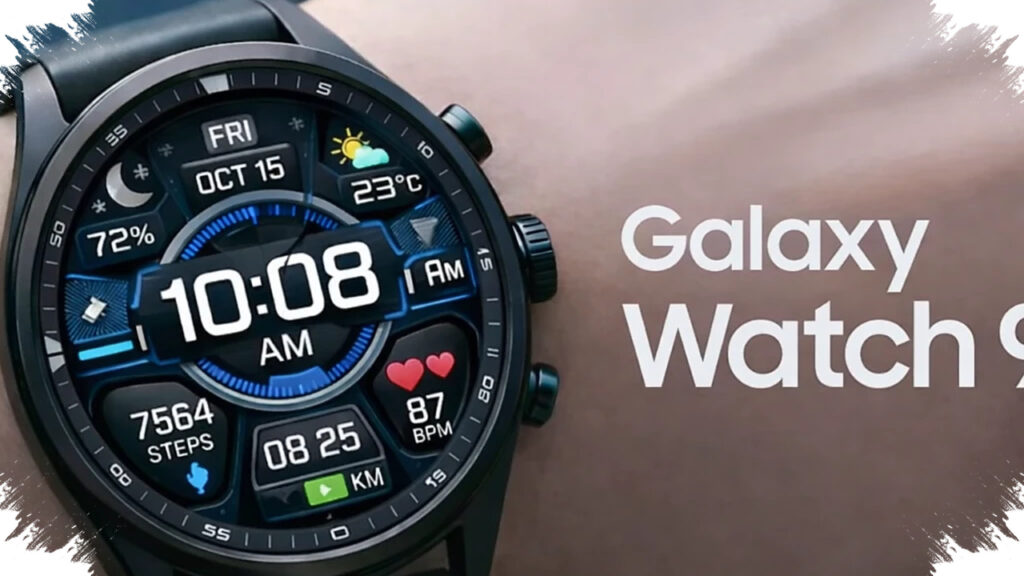
Samsung may be preparing a quiet but important upgrade for its next smartwatch line, and the biggest change could be under the hood. Recent reports suggest the Galaxy Watch 9 and Galaxy Watch Ultra 2 are on track for a late July launch, with a new chip rumored to address one of the most persistent complaints in the smartwatch market: battery life.
The most notable leak points to a possible shift away from Exynos in favor of Qualcomm’s Snapdragon Wear Elite, with speculation that the chip could use a 3nm manufacturing process. If that happens, Samsung may finally have a stronger answer to users who want longer battery life without losing health tracking, display brightness, or smart features.
A chip upgrade aimed at efficiency
Battery endurance remains a central challenge for wearables because they must keep sensors active, maintain always-on displays, handle GPS, and sometimes stay connected through cellular networks. Those demands make every milliwatt count, which is why a 3nm chip has drawn so much attention.
Smaller manufacturing nodes generally improve performance per watt. In practical terms, that can help a smartwatch run faster while wasting less energy, which matters more than raw speed in a device that sits on the wrist all day.
According to the reference report, the Snapdragon Wear Elite is expected to improve processing speed, energy efficiency, and on-device AI capability. Samsung has not confirmed the chipset, but the rumor fits a broader industry pattern where premium wearables increasingly rely on efficiency gains rather than bigger batteries alone.
Why 3nm matters for a smartwatch
Unlike smartphones, smartwatches have very limited internal space. That makes it difficult to enlarge the battery without changing the size, weight, or comfort of the device.
If Samsung keeps the battery capacity close to the previous generation, as the reference article suggests, the company would be betting on smarter power management instead of a larger cell.
- Longer battery life in daily use.
- Better heat control during heavy use.
- Faster app response and smoother navigation.
- More efficient on-device AI processing.
These benefits would be especially important during sleep tracking, heart-rate monitoring, exercise sessions, and long stretches of notification-heavy use.
Health features remain a major selling point
The Galaxy Watch line has long positioned itself as more than a notification screen, and the next generation appears set to continue that strategy. The reference material says Samsung is expected to improve its BioActive sensor for more accurate heart-rate readings, sleep tracking, AFib detection, and sleep apnea monitoring.
AI could also play a larger role in interpreting the collected data. That would allow the watch to generate more personalized fitness insights and spot unusual patterns faster, although the quality of those insights will still depend on sensor accuracy and software refinement.
A long-discussed non-invasive blood glucose feature is still not considered certain. Technical barriers remain significant, so the more realistic near-term improvements appear to be better accuracy and more reliable analysis rather than breakthrough medical sensing.
Design may stay familiar
Samsung is reportedly not planning a dramatic visual overhaul. The company is expected to keep the familiar circular Galaxy Watch design, which suggests the main upgrades will focus on internal hardware and day-to-day usability.
That is a sensible approach if the goal is to improve what users feel most often: speed, comfort, and battery endurance. Shifting the spotlight to the chip could make the watch feel meaningfully better without forcing a major redesign.
Possible features at a glance
| Feature | Reported status |
|---|---|
| Launch timing | Late July |
| Chipset | Qualcomm Snapdragon Wear Elite |
| Process node | Rumored 3nm |
| Core focus | Power efficiency and performance |
| Health sensors | Improved heart-rate, sleep, AFib, sleep apnea tracking |
| Connectivity | Possible 5G support |
| Display on Ultra 2 | Up to 4,000 nits |
| Design | Familiar circular shape |
Ultra 2 may target outdoor visibility
The Galaxy Watch Ultra 2 is also rumored to get a display that reaches up to 4,000 nits. If true, that would make it much easier to read outdoors during workouts or in bright direct sunlight.
The combination of a brighter screen and a more efficient chip would suggest Samsung is trying to improve both visibility and endurance at the same time. That balance matters because bright displays often increase power draw, which can quickly reduce runtime if the processor is not efficient enough.
Samsung’s strategic timing
A late-July launch would also give Samsung an early move before rivals refresh their own wearables later in the year. That timing could help the company shape the conversation around premium smartwatches before Apple and Google put new devices into the spotlight.
For Samsung, the Galaxy Watch 9 could become more than just another annual refresh. If the 3nm chip rumor proves accurate, the watch may offer the kind of battery improvement that users have wanted for years, while preserving the health tracking and smart features that define the Galaxy Watch lineup.