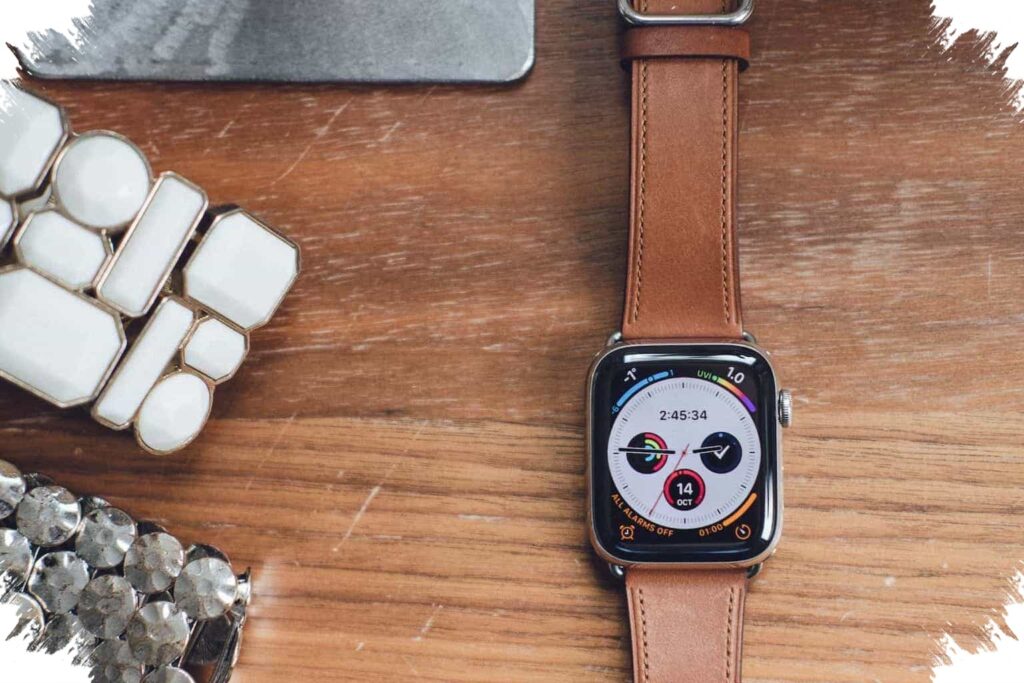
Buying a used Apple Watch can be a practical way to get an Apple smartwatch without paying for a brand-new unit. The deal only stays attractive when the device is checked carefully, because hidden problems can quickly turn a cheap purchase into an expensive mistake.
The safest approach is to treat the inspection as a full checklist, not a quick look at the casing. Visible wear, weak battery performance, activation problems, and unstable functions are all common risks on pre-owned units, so each part should be verified before money changes hands.
Start with the seller and the transaction setting
A trustworthy seller is the first layer of protection in any used-tech purchase. Marketplace transactions with buyer protection are usually more comfortable because they provide reviews, transaction records, and return policies.
For direct meetings, the location matters as well. A busy and well-lit place is safer, and any seller who refuses to show the device in full should raise concern because that makes inspection more difficult.
Check whether Activation Lock has been removed
Activation Lock is one of the most serious issues on a used Apple Watch. If the watch is still tied to the previous owner’s iCloud account, the device may remain locked and unusable for the new buyer.
The most reliable way to confirm this is to try pairing the watch directly with an iPhone. If the connection process runs normally, that is an important sign the unit is ready for the next owner.
Inspect the body, screen, and physical controls
The external condition still matters, even if the watch powers on. Cracks on the display, deep scratches, or impact marks on the body can point to heavy use and may lead to repair costs later.
The side button and Digital Crown should also be tested one by one. For online purchases, clear photos from the front, back, sides, and close-ups of the screen and charging area help reveal details that may not appear in basic product shots.
Do not ignore battery health
Battery condition is often the most important factor in deciding whether a used smartwatch is still worth buying. On a pre-owned Apple Watch, battery health is ideally still above 80 percent so daily use remains comfortable.
When the figure drops well below that level, the watch may run out of power quickly and require frequent charging. That can reduce convenience, especially for users who plan to wear it throughout the day.
Verify the serial number and authenticity
Every Apple Watch has a serial number that can be used to check the unit’s authenticity. The number can be verified through Apple’s official site to confirm whether the model and warranty status match the device being sold.
If the information on Apple’s site does not match the watch in hand, the buyer should be cautious. The mismatch can indicate modification or suggest that the device is not an official product.
Test the main functions, not just the appearance
A used Apple Watch should be assessed beyond the external condition. Core features such as the heart-rate sensor, GPS, touchscreen response, and connection to the iPhone need to work smoothly before the deal is closed.
Devices that lag, show errors, or lose connection repeatedly are best avoided. A watch may look clean and well-kept but still disappoint if its essential functions are unstable.
Ask for protection if possible
A short warranty can provide additional protection when problems appear after purchase. In personal transactions, a written agreement also helps clarify the device condition and the seller’s responsibility.
A trial period is useful because it gives the buyer time to confirm that the Apple Watch works as expected in daily use. This becomes even more important when the transaction does not come with strong platform protection.
A price that looks too low should also be treated carefully, since it may signal a hidden problem. For a used Apple Watch, the real value depends on activation status, battery condition, authenticity, and full function checks, so a detailed inspection remains the most effective way to avoid regret after the purchase.