The appearance of “nudify” apps on Google Play has raised fresh concerns about how well the store filters abusive AI tools before they reach users. Reports first drew attention to software that can generate fake nude images from ordinary photos and still surface easily through Play Store search.
Google has since said it is looking into the issue and will act when apps violate policy. A company spokesperson told Android Authority, “Google Play does not allow apps that contain sexual content,” adding that reports of policy breaches are investigated and handled accordingly.
Apps surfaced through simple searches


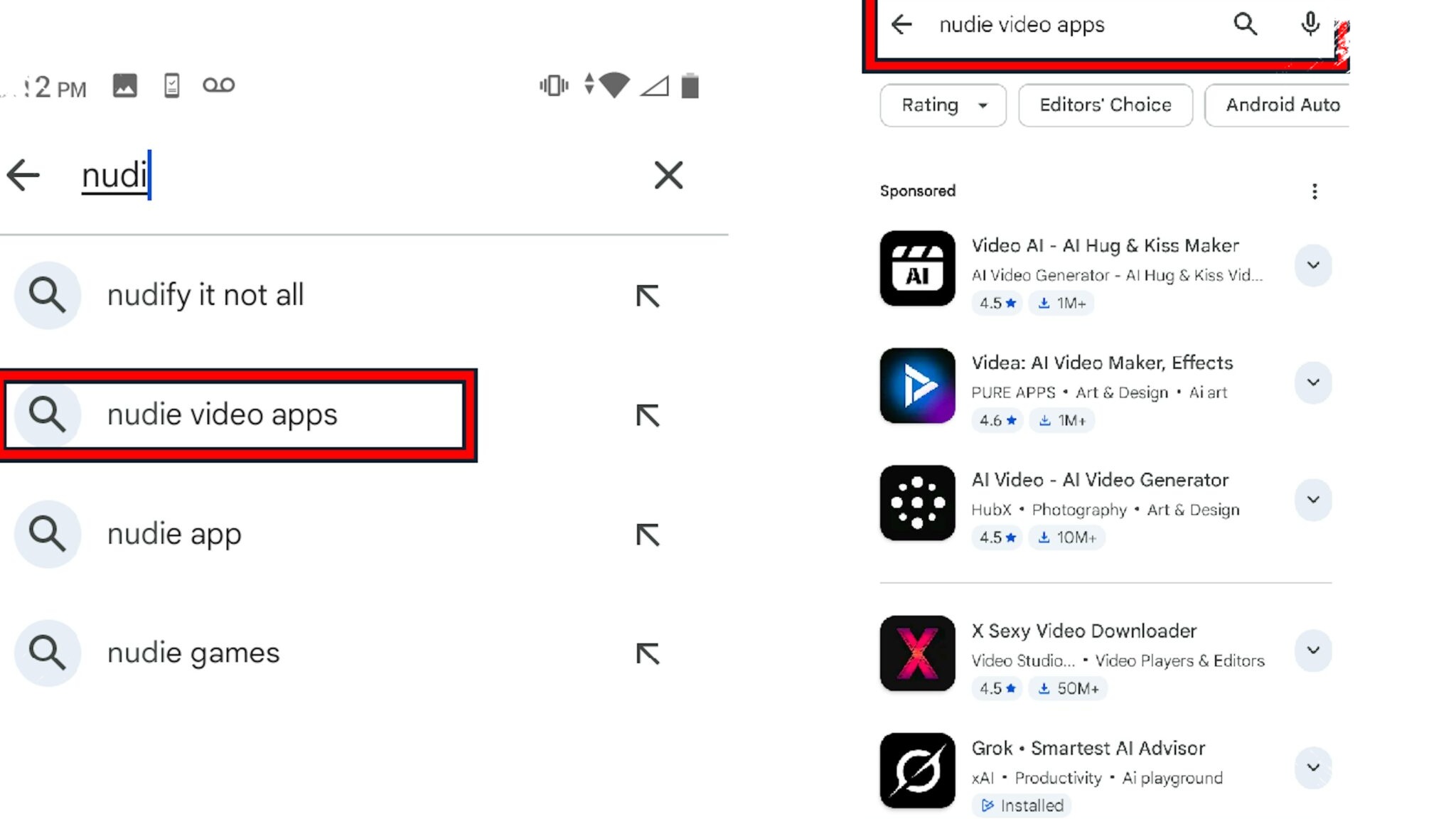
The concern is not only that these apps existed, but that they were easy to find. According to the report cited by Android Authority, searches for terms such as “nudify” and “undress” brought up apps described as tools for creating fake nude images.
The findings went beyond app listings alone. Search results also showed ads for similar tools, while autocomplete suggested related terms that could further increase visibility without requiring deeper searching.
That kind of discoverability has become part of the criticism. When a platform’s own search and recommendation features help surface potentially exploitative services, the problem is no longer limited to whether an app was approved at all.
Google has started removing some of them
Google said many of the apps mentioned in the report have already been suspended from Google Play, although it did not specify how many. The statement suggests the company is taking action, but only after the apps were identified publicly.
That sequence has drawn attention to the gap between policy and enforcement. Google’s rules prohibit sexual content, yet some flagged apps still managed to appear on the store and be downloaded before enforcement began.
The issue also reflects the limits of moderation at scale. Even when policies are clear, their effectiveness depends on how well review systems can catch violations before publication rather than after external reporting.
This is not only a Play Store problem
The same reporting found 20 nudify apps on the Play Store and 18 similar apps on the App Store. That means the problem affects the two biggest mobile app ecosystems, not just one platform.
Apple has also responded separately. In comments to Bloomberg, the company said it had removed 15 apps from the App Store.
The parallel responses from both companies show that the issue has moved under closer scrutiny. Still, the reports leave open an important question about how these apps were able to appear in major marketplaces in the first place.
Why these apps are under pressure
Nudify apps are controversial because they use AI to turn a person’s photo into a fake nude image. In practice, that can enable harassment, intimidation, and other forms of digital abuse without the subject’s consent.
That risk makes their presence in mainstream app stores especially sensitive. These platforms are expected to act as gatekeepers, so applications tied to manipulation or exploitation invite stronger criticism when they slip through review.
The report also noted that some of the apps were labeled “E” for Everyone, meaning children could legally download them. That detail intensified concerns about how these apps were classified and why they were allowed to remain visible.
Google’s response indicates that enforcement is underway, but the larger issue remains how such apps appeared so openly in search results and store listings. The next focus is likely to stay on whether Play Store can remove similar services faster and prevent them from resurfacing under new names.
Source: www.androidauthority.com