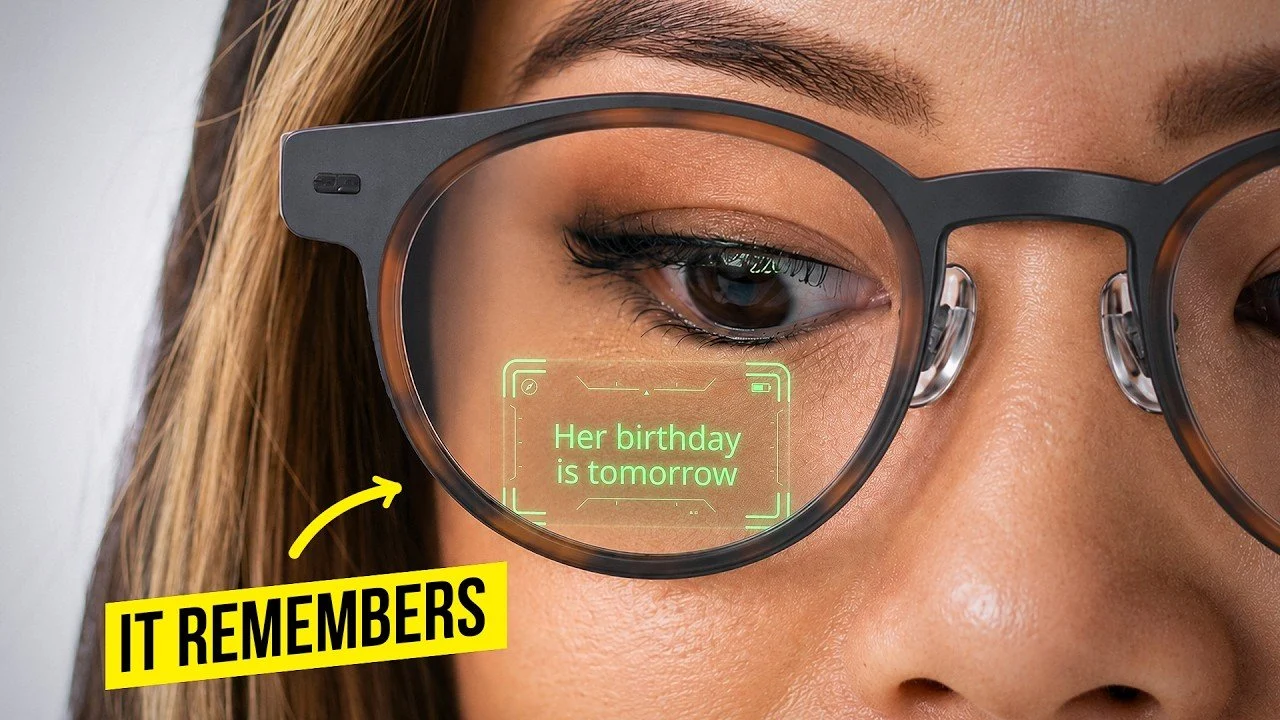
MemoMind One takes a different path from most smart glasses by leaving the camera out entirely. That choice is not a limitation in the company’s pitch, but the core of its appeal: privacy first, then AI-powered memory support.
XJimmy positions the device as a daily productivity tool rather than a visual recorder. Instead of capturing the surroundings, MemoMind One focuses on helping users remember conversations, organize details, and keep track of information through an AI long-memory system.
Privacy as the main selling point

The decision to remove the camera is central to how MemoMind One is presented. It avoids the familiar concerns that often follow camera-equipped smart glasses, including surveillance worries and discomfort in social settings.
XJimmy says data processing happens on the device, and any data that must be transmitted is protected with encryption. The company also gives users control over data capture, storage, and deletion, making privacy and user autonomy part of the product design rather than an afterthought.
That approach also defines the tradeoff. Without a camera, MemoMind One cannot take photos or support vision-based AI functions. The device is built to remember and assist, not to document the world visually.
Built for memory and everyday work
The main experience revolves around AI long memory, which stores and structures the details of conversations and interactions. MemoMind One organizes that information into practical outputs such as wish lists, journal notes, and actionable suggestions.
This makes the glasses feel closer to a personal memory assistant than a wearable camera replacement. The goal is to help users keep up with daily life without asking them to record everything around them.
The software package is broad enough to support that role. MemoMind One includes real-time translation for more than 26 languages, live captions, a teleprompter, smart listening for conversations, and map navigation.
Audio output comes from built-in Harman speakers, so navigation prompts, alerts, and AI responses can play without separate earbuds or headphones. XJimmy also uses a multi-AI hybrid system, allowing users to switch between AI models depending on the task.
An OpenClaw-style integration is part of the plan as well. That setup is meant to let multiple AI assistants and apps work together in one workflow for more flexible productivity use.
Light hardware with long-wear design
MemoMind One is also shaped for all-day wear. It weighs 46 grams and uses a beta titanium frame, while Zeiss prescription lenses are supported for users who need them.
The display relies on a green monochrome microLED panel. XJimmy says brightness reaches 2,000 nits, which is intended to keep visibility strong even under direct sunlight.
Style options are part of the package too. The glasses come in seven frame styles and several color choices, making them suitable for both professional and casual settings.
Controls, battery, and subscription tiers
The device is designed with multiple ways to interact with it. Users can rely on physical buttons, voice commands, and head gestures, while support for third-party Bluetooth controllers is planned for a future update.
Battery life is claimed to exceed 16 hours on a single charge, although final testing is still ongoing. That endurance matters for a product meant to stay on through an entire workday.
XJimmy is also using a tiered subscription model. The free plan covers basic tools such as translation, live captions, recorder, and calendar integration.
More advanced functions are grouped under Memo Plus, which costs $20 per month. That plan unlocks AI long memory and additional productivity tools, while Kickstarter backers get Memo Plus free for one year before paid access is required.
The result is a product aimed at a specific audience: people who wear glasses every day, want help with memory and productivity, and value privacy more than camera-based features. MemoMind One does not try to win by adding another lens to the smart glasses race. Instead, it tries to prove that leaving the camera out can be the point.
Source: www.geeky-gadgets.com