


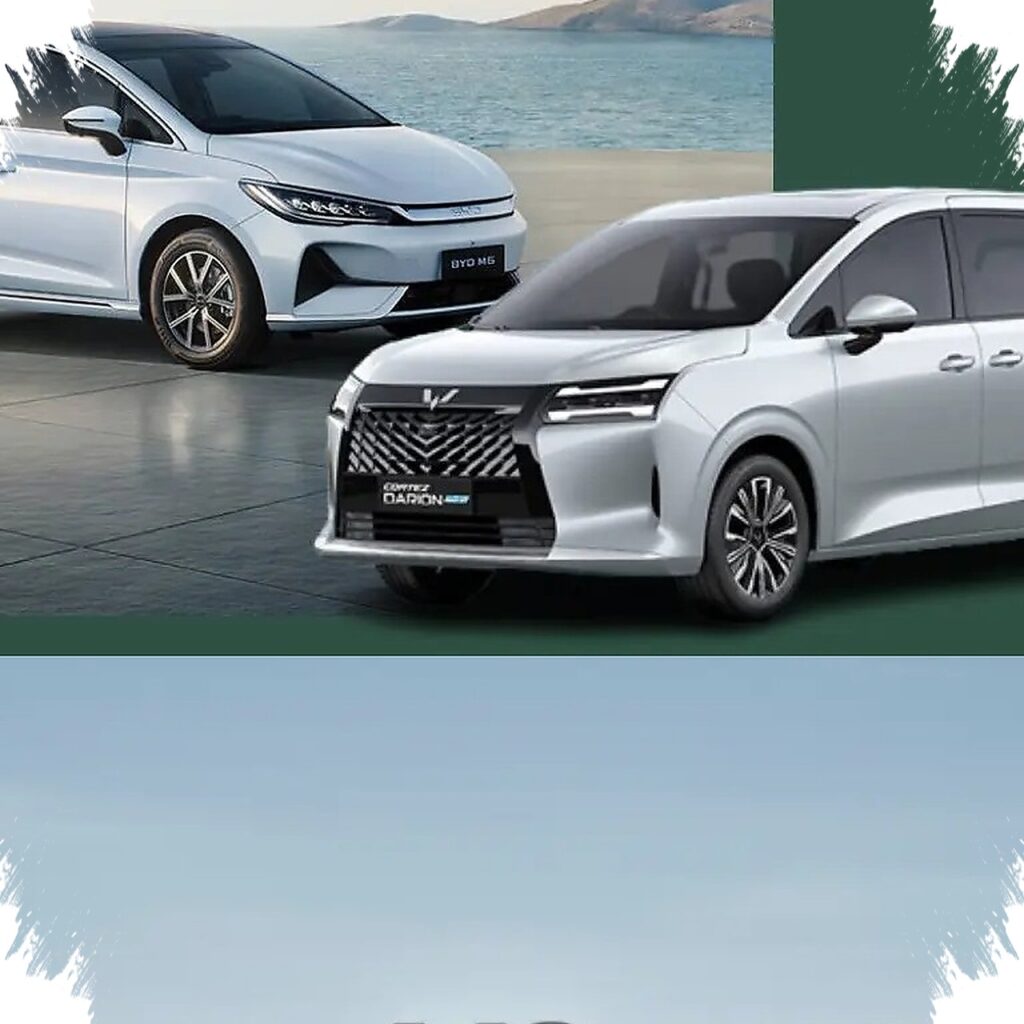
For family buyers comparing electric MPVs, the more useful question is not which model attracts more attention, but which one fits daily needs better. In that comparison, Wuling Darion EV and BYD M6 arrive with similar goals, yet they offer very different reasons to be considered worthwhile.
Both models target the same core use case: a 7-seater electric family vehicle with practical space, comfort, and efficiency for everyday driving. The difference appears in how each brand shapes the experience, from cabin layout and road feel to battery technology and overall pricing.
Different road manners shape the buying decision
BYD M6 is positioned as the smoother and more stable option on the move. Its suspension is described as softer, which helps the car feel more comfortable during long trips and on roads with varying surface conditions.
Wuling Darion EV takes a more responsive approach at low speed. Its acceleration response feels quicker from the start, which makes it easier to use in city traffic, especially in busy stop-and-go situations.
The two models are said to sit at a similar level in terms of power and torque. That means buyers may not need to focus too heavily on performance figures, because the real difference comes from tuning and the way each car feels in daily use.
Cabin space becomes a strong point for Wuling
For a family MPV, cabin room often matters as much as driving comfort. On this front, Wuling Darion EV has a clear advantage because its boxy body design creates a more spacious impression, especially in headroom and legroom.
That extra sense of openness can matter for families that often travel with several passengers for longer periods. The cabin layout also makes Darion EV feel more practical for daily routines that involve repeated use and frequent boarding.
Wuling also keeps physical buttons on the dashboard. This detail may seem simple, but it helps drivers access basic functions faster without relying entirely on the touchscreen.
BYD M6 follows a different path with a more premium-feeling cabin. Its interior design is modern and minimalist, with a tidy and polished look that gives the impression of a more upscale vehicle.
The trade-off is that its cabin is not described as as roomy as Wuling Darion EV. For buyers who put cabin spaciousness at the top of the list, that difference can be decisive.
Battery choice and range factor into long-term use
Range remains one of the most sensitive topics in electric vehicle ownership. Based on the reference information, Wuling Darion EV is claimed to offer a slightly longer driving range than BYD M6.
That advantage may not look dramatic on paper, but it can matter for families that often travel between cities or want to reduce charging frequency. A longer range usually gives users more peace of mind in both daily commuting and longer trips.
BYD M6 counters with Blade Battery technology. The system is known for efficiency and high safety, and it becomes one of the main reasons the vehicle is viewed as more technologically advanced.
Blade Battery is also mentioned as being integrated with the chassis structure. That combination is not only meant to support protection, but also to help vehicle stability while driving.
Price and value point in different directions
When the discussion shifts to value for money, Wuling Darion EV appears more competitive. Its pricing position makes it appealing for families that want to enter the electric car segment without giving up the main qualities needed from a daily-use MPV.
BYD M6 sits in a different lane because it emphasizes comfort and technology more strongly. It does not aim to be the cheapest option, but instead tries to deliver a more premium driving experience.
That difference helps explain why the two cars attract different types of buyers. Wuling Darion EV looks stronger for those who want a practical package with stronger value, while BYD M6 is more suitable for buyers who are willing to pay more for refinement and battery technology.
A broader choice for different EV readiness
Wuling Darion also offers a Plug-in Hybrid or PHEV option in addition to the pure electric version. That gives potential buyers extra flexibility, especially for those not yet ready to rely fully on a battery-electric vehicle.
BYD M6, by contrast, comes as a pure EV and presents a clearer product direction. It suits buyers who want to move fully into the electric ecosystem without compromise.
Seen from that angle, the comparison is less about one model being universally better and more about which priorities matter most. Wuling Darion EV stands out with a roomier cabin, a more competitive price, and a slightly longer claimed range, while BYD M6 answers with a more premium feel, softer ride comfort, stronger stability, and the added appeal of Blade Battery technology.