


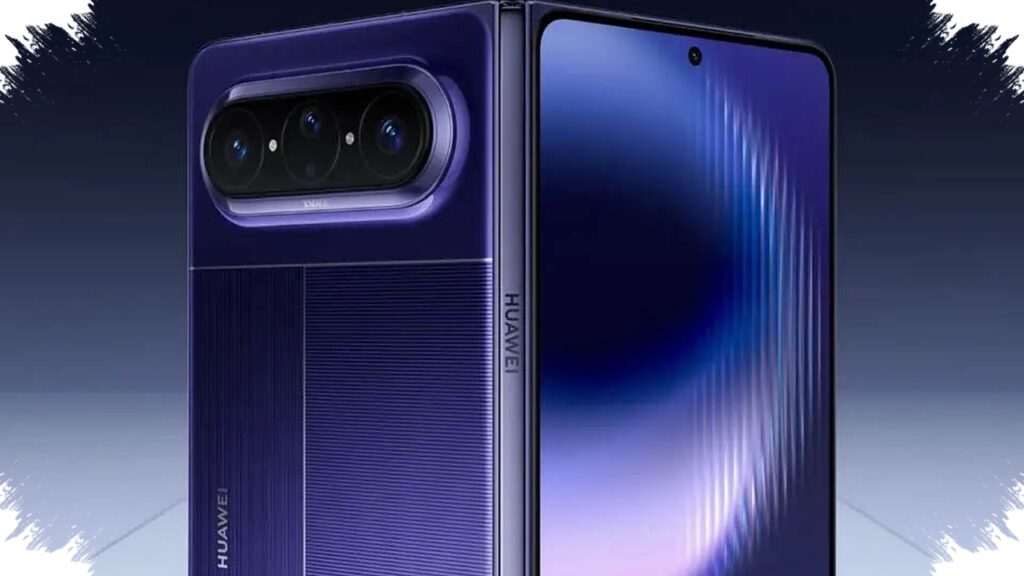
Huawei’s Pura X Max is drawing attention because it pushes foldable design toward a wider, more practical shape rather than the narrow formats that have dominated the category. The device does not appear to chase novelty for its own sake; instead, it aims to make a foldable feel closer to a compact tablet in everyday use.
That shift matters because many foldables have long asked users to accept compromises. Outer screens can feel cramped when closed, while the main display does not always feel spacious enough once unfolded, especially for video, gaming, or multitasking.
A wider format changes the experience
Huawei Pura X Max reportedly arrives with a screen ratio of around 16:11, giving the body a noticeably broader look than many current foldables. By comparison, the Galaxy Z Fold 7 is mentioned with a ratio of around 1.11:1, highlighting how differently Huawei is approaching the form factor.
The change in proportions is not just cosmetic. A wider display area can make video viewing, gaming, and running multiple apps feel less constrained, which is exactly where foldables are often expected to deliver more than regular smartphones.
Why the old foldable compromise is losing appeal
Foldable phones have often sat between two demands that are difficult to balance. On one side, users want a device that remains easy to carry; on the other, they want a screen that feels generous enough for work and entertainment.
Many earlier designs prioritized the novelty of folding over daily comfort. That made them stand out visually, but not always function as smoothly as users hoped in routine tasks such as reading messages, switching apps, or using the unfolded screen for longer sessions.
A response to long-running usability concerns
Technology analyst Ben Khalesi sees Huawei’s design direction as a direct answer to those concerns. He said the new proportions could change how users feel about foldables in everyday use, describing the design as more natural and less like “an awkward tablet” forced into a folding device.
That view reflects a broader expectation in the market. Foldables are no longer judged only by how different they look, but by whether they can actually improve the way people use their phones throughout the day.
The impact goes beyond Huawei alone
Huawei’s move is also said to be influencing other major players in the industry. Samsung is reportedly preparing the Galaxy Z Fold 8 Wide with a 4:3 screen ratio and a 7.6-inch display, while Apple is also linked to an iPhone Fold that would follow a wider and more functional display direction.
Apple’s plans remain limited in detail, but The Verge has reported that the company is not expected to copy existing foldable patterns directly. Instead, it appears to be heading toward a distinct design path that still favors a broader screen experience.
A possible new reference point for foldables
Khalesi also suggested that Apple’s timing could give its foldable product significant influence once it reaches the market. Because Apple usually commands wide attention, its entry could help push the category toward a new standard rather than another incremental variation.
For now, Huawei’s Pura X Max stands out because it challenges the idea that foldables must look and feel narrow to be competitive. If Samsung and Apple continue along a similar direction, wider displays may move from being an experiment to becoming the new benchmark for foldable phones.