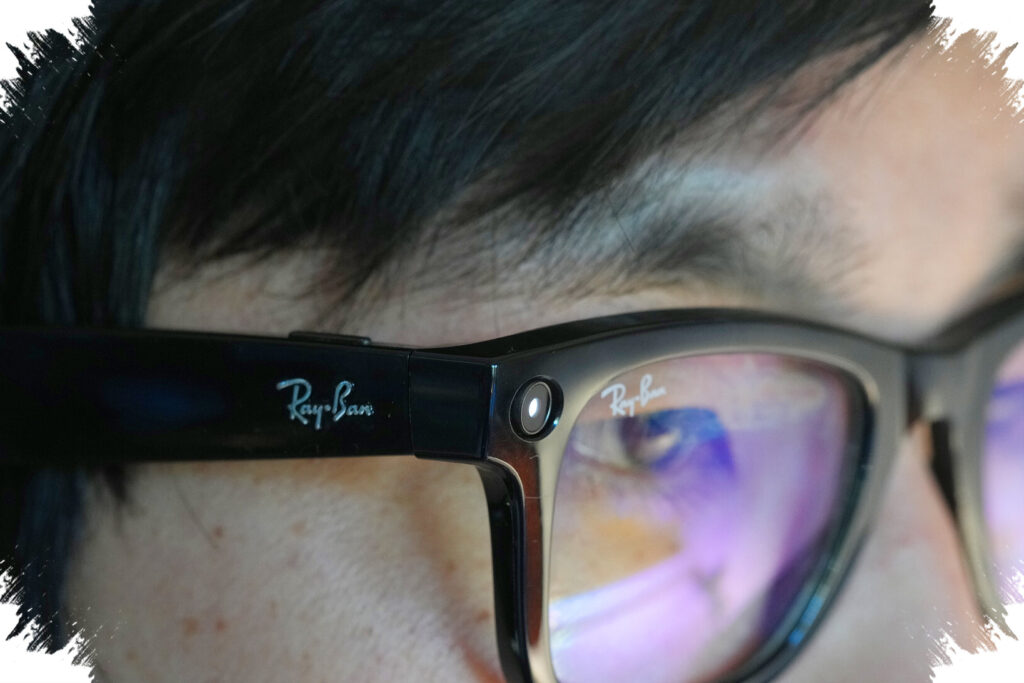
A broad civil rights coalition is pressing Meta to abandon its plan for facial recognition on its newest smart glasses. More than 70 groups, including the ACLU, the Electronic Privacy Information Center, and Access Now, have sent an open letter to CEO Mark Zuckerberg arguing that the feature would create a serious threat to privacy in public spaces.
The letter does not ask for a simple opt-out switch or extra safeguards. Instead, the coalition wants Meta to drop the facial recognition plan entirely, saying the risks are too great to be managed through technical controls alone.
Why the feature has drawn sharp criticism
At the center of the dispute is a proposed tool called “Name Tag,” which would use artificial intelligence to match a person’s face with digital data. If enabled, the smart glasses could reportedly display a target’s name, hobbies, relationships, and even health information in real time on the device.
Critics say that capability changes smart glasses from a consumer product into a highly intrusive surveillance tool. Their main concern is that people in the wearer’s vicinity could be identified instantly without ever knowing that their faces were being scanned and matched against a digital database.
The coalition says that anonymity in public should not disappear simply because someone is wearing connected eyewear. It warns that such technology could be used by stalkers, sexual predators, cybercriminals, and other bad actors to identify people without consent.
Consent, privacy, and public exposure
The open letter also frames the issue as one of basic consent. People walking рядом with a user of the glasses could be analyzed silently, with no clear indication that their identities are being checked in real time.
The groups argue that this creates a situation in which people may be verified by employers, federal agents, scammers, or violent offenders without any awareness of the process. In their view, that risk goes far beyond ordinary product design and enters the realm of public monitoring.
What Meta is reportedly preparing
Meta is said to be developing two versions of the feature. One version would only identify people connected to the Meta platform, while another could recognize anyone who has a public Instagram profile.
That split has done little to calm concerns, especially since the company already faces skepticism over biometric technology. Meta has previously paid major fines to the FTC and regulators in Illinois and Texas, which has made the latest plan even more controversial in the eyes of critics.
A Meta spokesperson has said the company is taking a cautious approach and pointed to competitors with similar products. Still, public doubts remain strong as the debate moves beyond innovation and into ethical limits.
Internal memo and political timing
The issue drew added attention after reports from Wired and The New York Times cited an internal Meta memo. According to those reports, the memo suggested the technology could be launched while the “political environment is dynamic,” a phrase critics interpreted as an attempt to introduce facial recognition while attention is fragmented.
That reading has strengthened fears that Meta may be trying to normalize biometric identification in public spaces before society has fully examined the consequences. For civil rights groups, the timing makes the plan look less like a routine product update and more like a strategic push for wider acceptance.
The coalition is also calling for full transparency about Meta’s discussions with law enforcement agencies such as ICE. It wants the company to disclose data on how wearable devices may have been misused in stalking cases or domestic violence incidents.
With the backlash growing, the dispute over Meta’s smart glasses has become a wider argument about the future of digital surveillance. If facial recognition is built into the product as planned, critics say the line between personal tech and public monitoring could shift in a way that affects everyone in view of the camera.