


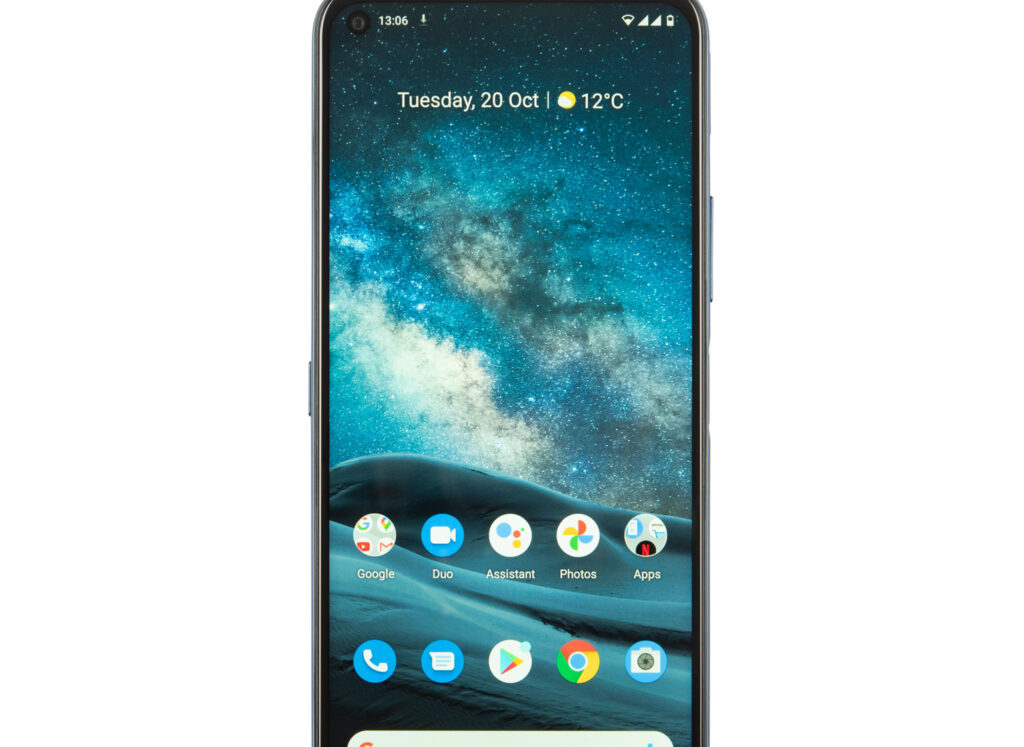
Nokia 8.3 5G still draws attention because it represents a clearer step forward than Nokia 8.1 in several key areas. For readers looking at older Nokia phones in 2026, the real question is not whether the device is cutting-edge, but whether its mix of display quality, software support, performance, and camera versatility still gives it some relevance.
The answer depends on expectations. Against modern flagships, Nokia 8.3 5G is naturally outdated, yet it remains notable as one of Nokia’s more complete Android phones from its era, especially because it was built to improve on weak points that had been associated with Nokia 8.1.
A more capable foundation than Nokia 8.1
One of the strongest reasons Nokia 8.3 5G stood out was the hardware jump it made over Nokia 8.1. The older phone used Snapdragon 710, while Nokia 8.3 5G moved to Snapdragon 765G, a chipset positioned with gaming and graphics in mind.
That difference also came with more memory and storage options. Nokia 8.3 5G offered up to 8GB of RAM and 128GB of storage, which made it feel more prepared for heavier multitasking than the standard 4GB/64GB setup of Nokia 8.1.
Display changes that mattered in daily use
The screen was another area where Nokia 8.3 5G delivered a more modern experience. It used PureDisplay tuned by Pixelworks, a setup intended to produce richer colors and deeper blacks than a standard LCD panel.
For streaming films or playing games, that display approach gave the phone a more immersive feel. Compared with the smaller screen on Nokia 8.1, the visual upgrade made Nokia 8.3 5G feel more cinematic and more comfortable for long viewing sessions.
Software support extended its useful life
Another important part of Nokia 8.3 5G’s appeal was its Android One promise. The device was announced with support that extended up to Android 12, while Nokia 8.1 was limited to Android 11.
That single version difference mattered more than it may sound at first. In a period when 5G was becoming more relevant, longer software support helped Nokia 8.3 5G feel like a safer and more future-ready choice.
A cleaner answer to earlier charging complaints
Nokia 8.1 had a less flattering reputation in one practical area: charging. Some users reported that the USB port felt loose and that charging was not always stable.
Nokia 8.3 5G addressed that concern with a more solid build and 18W charging support. The charging speed no longer looks impressive by current standards, but the combination of stability and sturdier construction was still meaningful for everyday use.
Camera hardware offered more room to explore
The imaging package also helped separate Nokia 8.3 5G from its predecessor. It carried PureView branding and Zeiss optics, along with an ultrawide lens that expanded shooting possibilities.
Nokia 8.1 was already regarded as capable for its class, but Nokia 8.3 5G gave users more flexibility when capturing scenes from different perspectives. For people who wanted a phone with broader content-creation options, that added versatility was an important part of the upgrade.
Where Nokia 8.3 5G stands now
Seen through a 2026 lens, Nokia 8.3 5G no longer competes with current devices on raw speed, software depth, or overall feature set. Even so, it remains a meaningful entry in Nokia’s recent history because it brought together several improvements at once.
The phone combined a larger and more refined display, stronger chipset performance, longer software support, and a more flexible camera system. Compared with Nokia 8.1, it was not just a minor refresh but a more complete and balanced update, which explains why it still holds a distinct place among Nokia Android phones.