A 1PB hard drive sounds like the next obvious step in storage growth, but the market is nowhere near that point. The largest single hard drives available today are still measured in tens of terabytes, with Western Digital’s UltraSMR ePMR HDD at 40TB and Seagate’s Mozaic 4+ at 44TB.
That gap is not just a matter of waiting for the next product announcement. Moving from dozens of terabytes to petabyte-class capacity runs into physical limits, cost pressure, and engineering trade-offs that make a consumer 1PB drive unrealistic for now.
Why the jump is so difficult
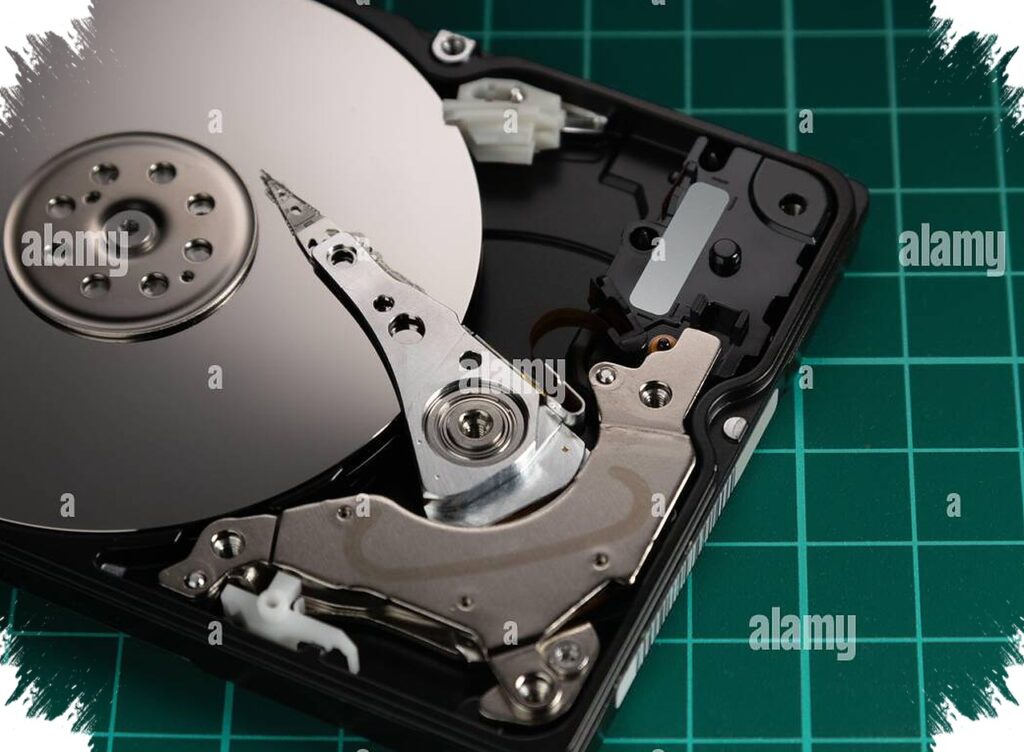
Hard drives store data on magnetic platters, and capacity can only rise in a few ways. Manufacturers can increase the density of data on each platter, or they can add more platters inside the same drive.
Both approaches have limits. Raising platter density has to happen gradually because each step must preserve reliability and performance. Technologies such as Heat-Assisted Magnetic Recording, or HAMR, help push capacity upward, but the gains still arrive in measured increments rather than dramatic leaps.
Adding more platters is not a simple shortcut either. More platters increase cost, generate additional heat, and affect the drive’s physical design. Those constraints make a single petabyte drive much harder to engineer than the raw math might suggest.
The industry is aiming lower first
Instead of targeting 1PB in the near term, the storage industry is looking more realistically at 100TB drives. That milestone is projected to arrive in 2029, and the focus is not only on size but also on performance and power use.
This matters because capacity alone does not make a drive useful in demanding environments. Large storage systems still need fast access, stable operation, and manageable power consumption, especially when they are used continuously.
There are also technologies under development meant to keep higher-capacity drives from slowing down. One example is High Bandwidth Drive Technology, which is reported to double bandwidth by allowing read and write operations from multiple heads on different tracks at the same time.
Why consumers do not need it yet
For home users, a 1PB hard drive is not a realistic purchase target. Even for large backup needs, that amount of storage is far beyond what most households can justify from a cost or usage standpoint.
The number itself is striking. A 1PB drive can hold more than 250 million songs or around 500 billion pages of text. Even so, typical consumer needs remain far below that level, which is why there is little urgency in the retail market for such a product.
Petabyte-scale storage is therefore more relevant to institutions, large companies, and AI data centers that handle massive volumes of information. In those environments, storage is usually built from multiple terabyte-class drives arranged for efficiency and easier management rather than from a single petabyte unit.
Physics, cost, and form factor still matter
The challenge is broader than storage density alone. Price, heat, physical size, and performance expectations all shape whether a capacity level makes sense as a commercial product.
Manufacturers have to balance denser storage with long-term reliability. If capacity is pushed too aggressively in one direction, the result can be higher risk in performance and efficiency, along with a price that moves even further away from the consumer market.
That is why hard drive capacity continues to climb without making a direct leap to petabyte territory. The next visible step for the industry remains around 100TB, while a 1PB hard drive is still a theoretical idea rather than a practical product for everyday buyers.