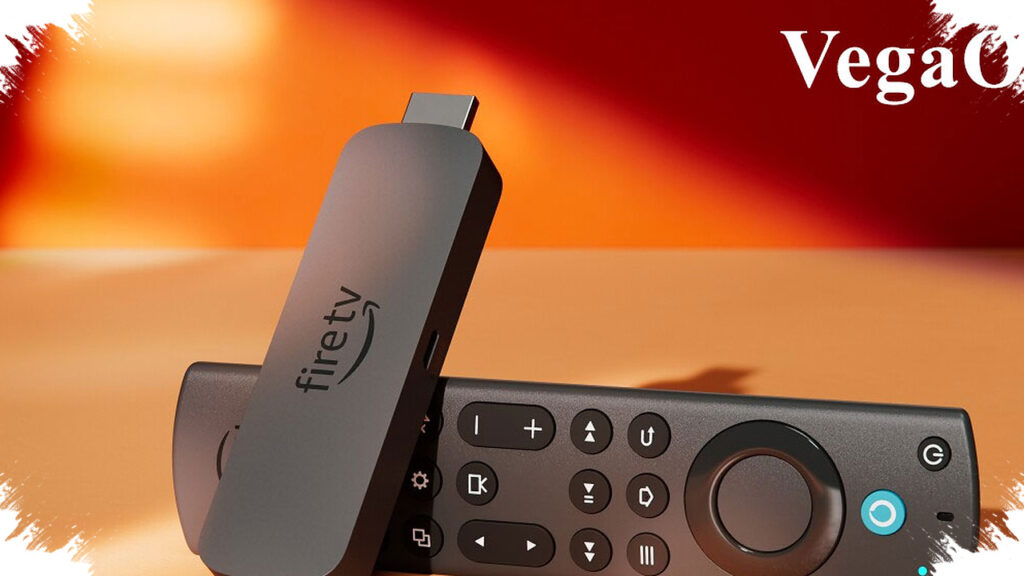
Amazon’s Fire TV lineup is entering a noticeable shift as the company moves away from Android-based software and places Vega OS at the center of its streaming strategy. The change is already visible on the Fire TV Stick HD, which now runs Vega OS, after the Fire TV Stick Select adopted the same platform earlier.
That move suggests Amazon is preparing a broader transition across future Fire TV Stick models. According to a report from Lowpass, the company intends to migrate upcoming devices to Vega OS gradually, signaling a long-term shift in how its streaming hardware will be built and managed.
A bigger role for Amazon’s own software
By pushing Vega OS forward, Amazon reduces its dependence on Google’s Android ecosystem. That gives the company more control over software updates, available features, app distribution, and the overall interface users interact with on Fire TV devices.
The shift may also help Amazon align its device families more closely. In its official blog, the company said its latest Echo devices also run on Vega, which points to a more unified software direction across its smart home and streaming products.
Vega OS itself is described as a Linux-based operating system developed from the ground up. Amazon positions it as the replacement for Android on its next generation of Fire TV devices, rather than as a simple update layered on top of the old platform.
What changes for users
For everyday viewers, the most visible impact may come from software limits rather than design changes. Fire TV Stick HD users will face a more restricted app environment than they would on Android-based devices, especially when it comes to sideloading.
A report from Cord Cutters News said some shoppers who viewed the product page saw a warning stating that the device does not support installing apps from unknown sources for security reasons. In practice, that means apps must be downloaded through the Amazon Appstore.
This tighter setup may not affect casual users very much. However, it does remove a degree of flexibility that advanced users have long associated with Android-based streaming devices, especially for custom app installation and experimentation.
Fire OS and Vega OS will coexist for now
The transition is not happening across the entire lineup at once. Amazon is still keeping Fire OS and Vega OS in parallel, even though the newer platform is expected to take on a larger role over time.
The appearance of Fire TV Stick HD as a preorder-ready device already running Vega OS is an important sign that this is more than a limited trial. It indicates that Amazon is preparing a clearer migration path for future Fire TV products.
That matters because Android has traditionally given streaming devices broad app access and a more open installation model. With Vega OS, Amazon gains more freedom to control app availability, feature rollouts, and the user interface without relying on Android’s structure.
Part of a wider Amazon software reset
The changes in Fire TV also fit a broader pattern across Amazon’s product ecosystem. The company previously announced that it will end major Kindle Store features on older Kindle devices, including the first Kindle model released in 2007.
That policy is set to take effect from May 20, 2026, and it affects Kindle e-readers as well as Kindle Fire tablets released in 2012 or earlier. Taken together, these decisions show Amazon is tightening support for older platforms while steering users toward newer, more integrated systems.
If future Fire TV Stick models continue moving away from Android, the effect will go beyond the operating system name. App choices, installation methods, and the way Amazon manages its streaming devices could all become more controlled as Vega OS becomes the company’s main foundation for Fire TV.