Samsung’s next foldable direction is starting to look less like a single upgrade path and more like two separate answers to two different kinds of users. One version keeps the tall, narrow identity that has defined Samsung foldables for years, while the other pushes toward a wider shape that could feel more practical for everyday use.
That split is visible in Galaxy Z Fold 8 and Galaxy Z Fold 8 Wide. Based on information summarized from GregglesTV and reported by Geeky-Gadgets, Samsung appears to be testing whether the future of its foldables should remain familiar or move toward a layout that better suits multitasking, typing, and content viewing.
Two form factors, two priorities
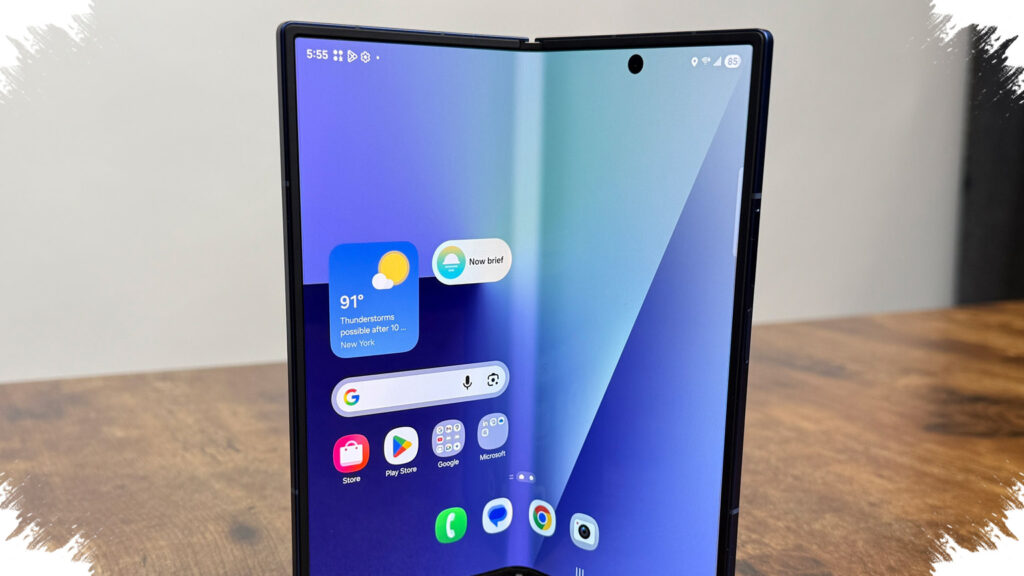
The most important difference is not just screen size, but the way each phone is meant to be used. Galaxy Z Fold 8 is described as carrying an 8-inch inner display and a 6.5-inch outer display, a combination that preserves Samsung’s familiar tall and slim profile.
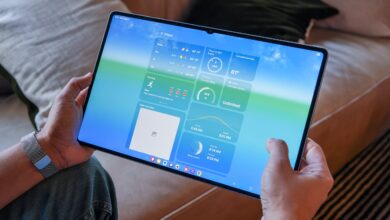
Galaxy Z Fold 8 Wide takes a different path with a 7.6-inch inner screen and a more square 4:3 aspect ratio. That choice makes the device feel closer to a compact tablet once opened, rather than a tall phone that simply expands into a larger panel.
Why the wider model stands out
For many foldable users, the biggest complaint has always been the narrow cover screen. Galaxy Z Fold 8 Wide seems designed to answer that criticism directly by offering more horizontal room for daily work.
That extra width matters when several apps need to stay open at once, because the interface should feel less cramped and more natural. It may also improve the experience for video playback and gaming, where a broader display generally feels more comfortable and less constrained.
Typing is another area where the wider frame could make a clear difference. A less elongated layout often reduces the squeezed feeling that some foldables create, which can make everyday messaging and note-taking easier to handle.
The classic design still has a case
Even with the appeal of the wider model, Galaxy Z Fold 8 is not without advantages. Its taller body should remain easier to hold with one hand, and the slimmer footprint may still make it simpler to carry through a busy day.
That familiar shape also matters for users who already understand Samsung’s foldable design language. For them, the traditional format may feel safer and more predictable, especially in situations where quick opening and closing matters more than having the broadest possible screen.
In other words, a more compact foldable can still be the more practical choice for mobility. Not every user wants a device that feels closer to a tablet when opened, especially if portability is the main priority.
Battery and camera help separate the two
Samsung is also using hardware choices to distinguish the models further. Galaxy Z Fold 8 is said to include a 5,000 mAh battery, while Galaxy Z Fold 8 Wide comes with a 4,800 mAh battery.
The difference is not dramatic, but it still gives the standard Fold 8 a small edge for users who want a little more confidence during heavy all-day use. That slight advantage could matter for people who rely on their device for longer stretches without frequent charging.
Camera setup also favors Galaxy Z Fold 8. It is reported to use three rear cameras, including a telephoto lens, while Fold 8 Wide has only two cameras.
For users who value more flexible photography, the telephoto lens adds obvious usefulness. It gives the standard model a broader feature set beyond its screen design, which may help it appeal to buyers who want a more complete foldable package.
Which user each model seems built for
Galaxy Z Fold 8 Wide looks best suited to users who prioritize productivity and media consumption. Its wider display, more tablet-like feel, and more comfortable typing experience all point toward a device meant for multitasking-heavy routines.
Galaxy Z Fold 8, on the other hand, appears aimed at users who want a more balanced foldable with stronger portability and more versatile imaging hardware. Its design remains close to Samsung’s established formula, which will likely continue to appeal to buyers who prefer a familiar foldable shape.
Taken together, the two devices suggest that Samsung is no longer treating foldables as a single design problem. The company now seems willing to explore both the classic tall format and a wider version that may feel more natural for daily work and entertainment.