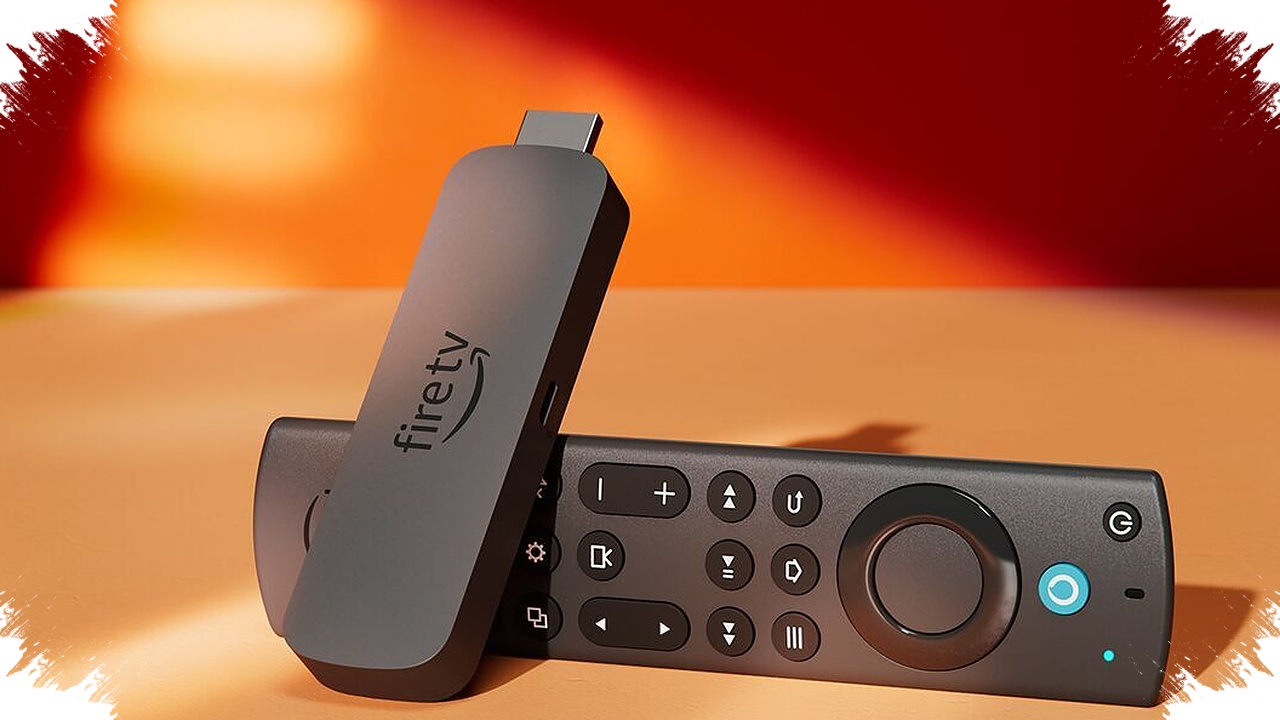
A class action lawsuit in the United States has put Amazon’s older Fire TV Stick models under scrutiny, with consumers arguing that the devices became nearly useless once software support ended. The complaint centers on a simple but important concern: a streaming device can still power on and yet lose the functionality that makes it worth owning.
At the heart of the dispute is whether customers were given a clear enough picture of how long the Fire TV Stick would remain supported. According to the complaint, the issue is not physical damage or hardware failure, but the loss of software updates and core services that older units depend on to keep working properly.
The lawsuit reportedly targets the first and second-generation Fire TV Stick models. Plaintiffs argue that Amazon effectively reduced the value of those devices by stopping software support, even though the hardware itself had not broken down. Support for the first generation is said to have ended in December 2022.

The second-generation model reportedly did not enjoy much longer support after that. As updates and system support faded, users allegedly found that apps stopped running normally, performance declined, and the devices became increasingly difficult to use in everyday streaming.
What makes the case particularly sensitive is the suggestion that support may have been expected to last until 2024. If that understanding was inaccurate, customers may not have been given enough information about the functional life of the product before buying it.
For many consumers, the frustration goes beyond inconvenience. A streaming stick is not judged only by whether it can still turn on, but by whether it can access apps, load services, and keep up with the software environment those functions require.
One U.S. customer is said to have filed the lawsuit after buying two second-generation Fire TV Stick units in 2018. Over time, both devices reportedly became slower, and by the end they were described as no longer usable, forcing the customer to purchase a newer model in 2024.
The complaint also raises the idea of planned obsolescence, a term used when a product loses practical usefulness before its physical parts fail. In this case, the argument is that software support determines the real lifespan of the device, since the hardware alone cannot preserve streaming functions once the underlying system is no longer maintained.
That broader point matters because streaming products now rely heavily on apps, operating systems, and connected services. When those layers stop receiving support, the device may remain intact but can still lose the main features that made it desirable in the first place.
Amazon has not publicly commented on the case as of the reporting cited in the source article. That leaves open key questions about how the company communicated support limits to buyers and whether the devices were marketed with enough clarity about their effective lifespan.
The dispute also draws attention to Amazon’s earlier treatment of Cloud Cam. According to The Verge, that service ended on 2 December 2022, and some users were offered a free Blink Mini camera as compensation, while certain models also received an Echo 4th generation offer.
That history does not determine the outcome of the Fire TV Stick case, but it shows how the end of a digital service can trigger compensation discussions when a product’s main functions are tied to software. For now, the lawsuit keeps the spotlight on how much responsibility device makers have to explain software support from the start, especially for products whose value depends on continued updates.
Source: www.notebookcheck.net