


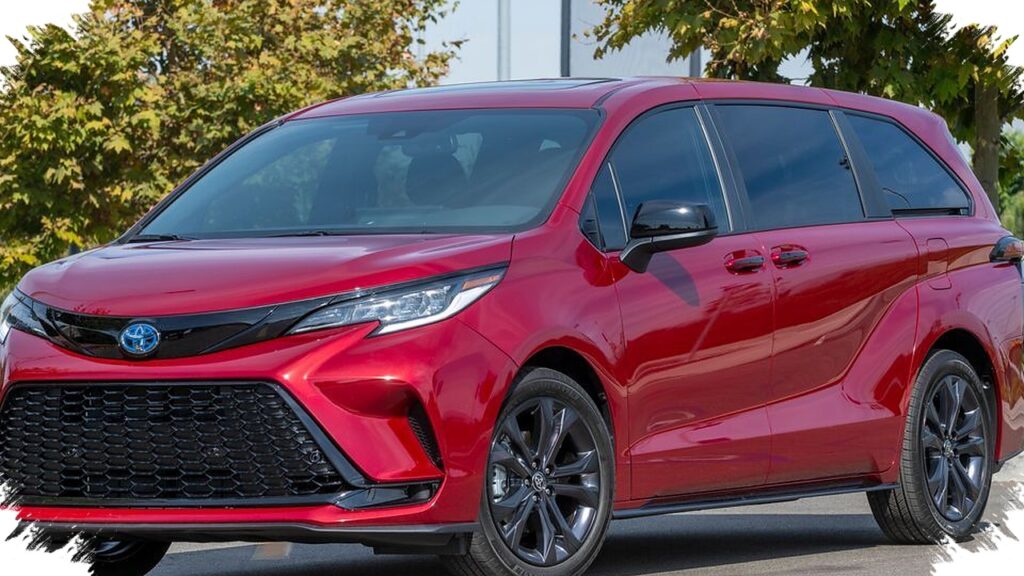
A seven-seat plug-in hybrid is drawing attention because it answers two common family needs at once: space and lower fuel use. This type of vehicle combines a gasoline engine with an electric motor, allowing it to run on electric power for a certain distance before the gasoline engine takes over automatically when the battery runs low.
For many modern families, that combination matters more than ever. A roomy cabin still remains essential, but operating costs also play a major role in the buying decision, and that is where a PHEV 7 seater starts to look appealing.
Why the segment is gaining relevance
Family vehicles are no longer judged only by how many passengers they can carry. Daily comfort, practicality for routine use, and readiness for longer trips now sit alongside fuel efficiency as major considerations.
A PHEV 7 seater offers a rare mix of those priorities in one package. It provides space for seven passengers while keeping energy use more efficient, making it suitable for families that want a practical vehicle without giving up modern efficiency. RadarMadura.id notes that a spacious cabin is one of the main reasons models like this continue to attract interest.
Models that stand out in the category
One of the most prominent names is the Volvo XC90 Recharge. It carries a premium character with a luxurious cabin, a comprehensive safety package, and performance that is described as strong enough for long-distance travel.
Volvo’s reputation for safety helps keep the XC90 Recharge high on the list for families that value protection, comfort, and seven-seat capacity in a single vehicle. It is aimed at buyers who want a refined SUV with a strong focus on safety and passenger comfort.
Another notable option is the Mitsubishi Outlander PHEV. This model is known for being comfortable in daily use and efficient in normal driving, especially in urban mobility.
Its modern design adds to its appeal. That makes the Outlander PHEV attractive for families that want a vehicle with practical function but still want it to look fresh and current.
SUVs and MPVs serve different family needs
The PHEV 7 seater category is not limited to one body style. Premium PHEV SUVs from global brands also fill the segment, and their main strengths usually lie in cabin comfort, safety features, and driving support technology.
For families that place a premium on travel comfort, such models can offer additional value. Modern features often become a key differentiator, especially when the vehicle is used for medium to long trips.
Not every family, however, prefers an SUV. Some users find that a modern PHEV MPV is easier to live with because access into and out of the cabin is generally more practical, particularly for children and older passengers.
An MPV format often delivers stronger everyday usability. Easy cabin access keeps this type relevant for larger families that travel together frequently.
Efficiency depends on usage patterns
Some PHEV 7 seater models place greater emphasis on fuel efficiency. This approach works well for families with regular, repetitive travel patterns.
When charging habits and driving routines are planned properly, the efficiency benefit can become more noticeable. That is one reason many consumers are starting to look more seriously at PHEVs from the perspective of operating costs.
The advantage becomes clearer in daily use because the vehicle does not rely entirely on the battery. It still remains practical for regular family mobility while offering the possibility of better energy use when conditions are right.
What matters in the third row and beyond
In a family vehicle, the second and third rows cannot be treated as secondary concerns. Adequate legroom helps passengers stay comfortable during longer trips.
Rear air conditioning is also often an important comfort factor. Small details like this may seem minor, but they make a real difference when the car is carrying a full family.
After-sales support should also be part of the evaluation. Official service availability and technical assistance provide reassurance, especially because a PHEV depends on a combined system of gasoline engine and electric motor.
Home charging infrastructure also needs to be planned from the beginning. Without proper preparation, the efficiency potential of a PHEV may not be fully realized in daily use.
Points worth checking before choosing one
Buyers should not focus only on exterior design or the promise of fuel savings. Cabin capacity, third-row comfort, and ease of carrying travel gear should be checked directly.
Family needs can differ significantly, which means the choice between a premium SUV and a modern MPV should match real usage patterns. If priority goes to a premium cabin and safety features, an SUV may be the better fit.
If the main need is practical access and easier everyday use, a modern PHEV MPV can be the more suitable answer. With more options now available, the segment continues to offer families a wider choice of vehicles that combine space, modern technology, and more efficient energy use.