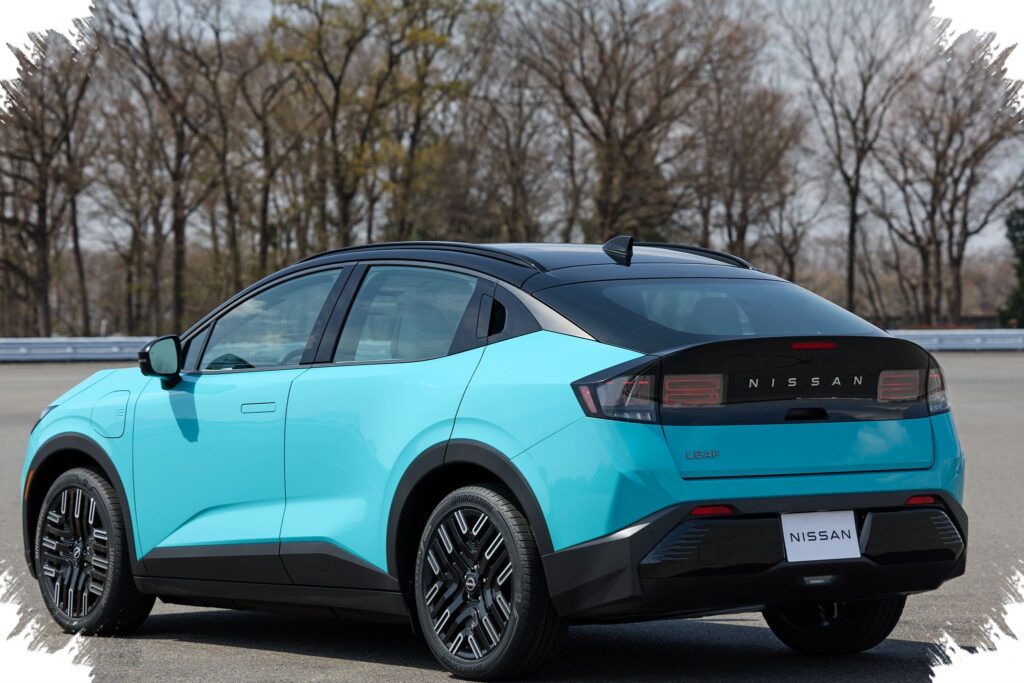
Nissan is preparing an electric vehicle platform that could change one of the biggest reasons drivers still choose gasoline cars: the time spent waiting to recharge. The company is targeting a solid-state battery model for launch in the fiscal year 2028, with charging speeds that are meant to feel much closer to refueling than to today’s EV experience.
That direction matters for markets such as Indonesia, where long charging times and range anxiety remain two of the most common barriers to wider EV adoption. If Nissan reaches its goal, the competition between electric cars and gasoline-powered vehicles could become far more serious.
Why solid-state batteries are gaining attention
Solid-state batteries use a solid electrolyte instead of the liquid electrolyte found in conventional lithium-ion batteries. That design is considered safer because it can reduce the risk of leakage and overheating.
The technology also offers higher energy density in the same space. In practical terms, that means battery space can be used more efficiently to store more power.
For Nissan, the appeal is not limited to performance figures. The company is positioning this battery technology as part of a broader effort to solve real-world concerns that still discourage many potential EV buyers.
Charging time could become the main turning point
One of Nissan’s most eye-catching targets is a charging process that can be up to three times faster than current technology. In an ideal scenario, most of the battery could be filled in around 10 to 15 minutes.
That would bring EV charging much closer to the time many drivers already spend at a fuel station with a gasoline car. If that becomes available in mass-produced models, it could reshape how the public evaluates electric vehicles.
In Indonesia, long waits at charging locations are often mentioned as a reason for delaying an EV purchase. A much shorter charging stop would make electric cars feel more practical for daily use and medium-distance travel.
Longer range could reduce anxiety on the road
Nissan also says solid-state batteries could deliver energy density that is up to twice as high. That improvement could push EV range to around 600 to 1000 kilometers on a single charge.
Such range figures are important in a market where driving distance still plays a large role in buying decisions. Concerns about running out of battery power before reaching a destination continue to shape consumer hesitation in many countries, including Indonesia.
If range expands that far, drivers may need to charge less often. That can improve convenience and also create a stronger sense of security for intercity travel.
Lower production costs could affect pricing
Beyond speed and range, Nissan is targeting a battery production cost reduction of up to 50 percent. If that goal is achieved, electric cars could become more competitive in global markets and in Indonesia.
Battery costs remain one of the largest components in the price of an EV. A sharp reduction could give manufacturers more room to offer cheaper models.
Even so, final pricing at retail will still depend on many factors beyond the battery itself. The effect for consumers will only become clear if mass production moves ahead as planned.
Development is still moving toward mass production
The company has already started preparing the technology in stages. A pilot facility is said to have begun construction in Yokohama from 2024 to 2025, followed by a technology development target set for 2026.
Mass production of EVs with solid-state batteries is scheduled for 2028. That timeline shows the technology is still in transition and not yet ready for immediate market use.
Nissan says its battery prototypes have passed repeated charging and usage tests. The claim suggests progress is being made, although industrial-scale production remains the biggest test before the technology can reach public roads.
The technical challenge remains significant
Despite its promise, solid-state battery development still faces major technical hurdles. One of the most important is maintaining the stability of solid materials when they are produced on a large scale.
That issue matters because results from laboratory testing do not always translate smoothly into factory production. The industry still has to ensure that the batteries remain stable, safe, and durable through repeated use.
For now, Nissan’s plan signals a clear attempt to address the two problems that slow EV adoption most: charging time and range. If the company can deliver both without sacrificing safety or cost, the case for gasoline cars could become harder to defend.