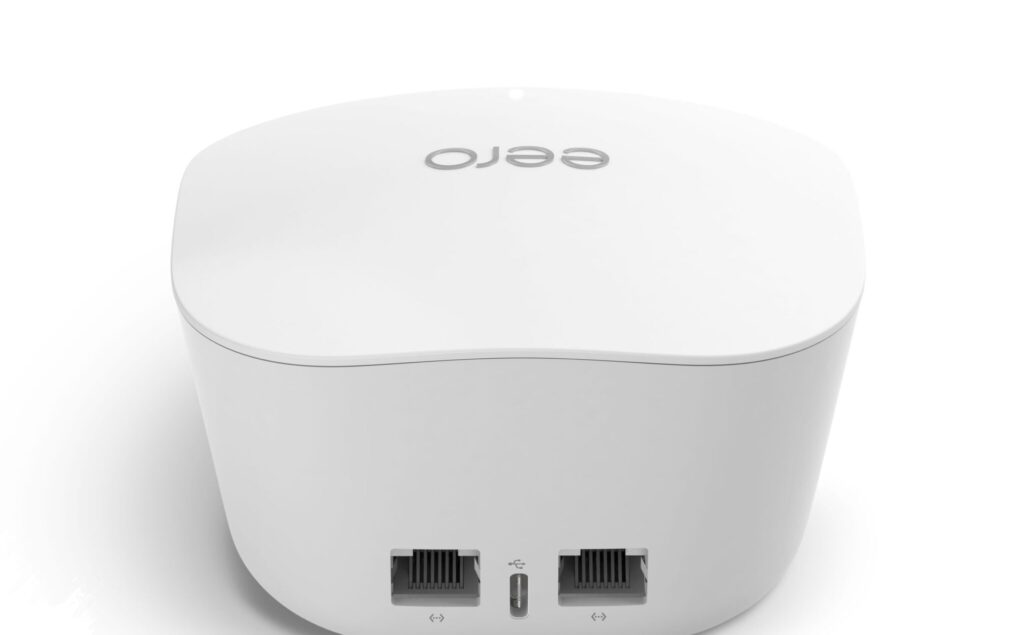
Amazon’s Eero and Leo router lines have received a temporary reprieve from the FCC’s wider restrictions on foreign-made Wi-Fi hardware. Under a “conditional approval” status, selected models can remain on the U.S. market until October 31, 2027.
The decision matters for households that rely on mesh networking for everyday connectivity. It also keeps Amazon’s networking products available in the U.S. while the FCC continues to apply tighter scrutiny to imported devices.
What the FCC decision means
The FCC has been tightening its approach to new foreign-made Wi-Fi routers that enter the American market. Rather than applying the same treatment to every product, the agency has started issuing conditional approvals to specific manufacturers that meet its requirements.
Amazon now joins that smaller group, following Netgear, which had already secured a similar status. For Eero and Leo, the new classification means the products are not being treated as permanently cleared, but they are allowed to keep selling during the approved period.
That distinction is important. Conditional approval does not отмене the FCC’s broader restrictions. It simply creates a limited path for certain products to stay available while the agency maintains its enforcement stance.
Products covered by the exemption
The approval applies broadly across Amazon’s Eero and Leo families. Devices mentioned in the disclosure include Eero, Eero Pro, Eero Max, Eero PoE, Eero Outdoor, Eero Signal, and Amazon Leo.
This wide coverage is notable because it extends beyond standard home mesh routers. It also includes related variants and specialized models within the same ecosystem, giving the entire lineup a temporary safeguard from the general restrictions.
For buyers and retailers, that means supply and distribution can continue in the U.S. without an immediate disruption. It also reduces uncertainty for consumers who were considering one of Amazon’s networking products for home or small-office use.
How the FCC classifies the affected products
According to the FCC disclosure, the affected devices were temporarily removed from the agency’s “Covered List.” That list contains products and services considered to pose certain risks.
The FCC says items on that list may “pose an unacceptable risk to the national security of the United States or the security and safety of the people of the United States.” With conditional approval in place, Eero and Leo are not fully outside the FCC’s oversight, but they have been granted a special route to remain on sale.
That approach shows the FCC is still evaluating manufacturers on a case-by-case basis. The policy is strict, but it is not entirely absolute when a company is able to meet the agency’s conditions.
Amazon’s response to the approval
Eero welcomed the development and described the move in positive terms on its official blog. The company said, “The U.S. government has recognized eero as a trusted and secure router provider.”
It also said it remains committed to delivering products that are innovative and reliable. Eero added that there is no change to the customer experience as a result of the regulatory shift.
For users, that statement is meant to reassure that the status update is tied to market access rather than a change in how the devices operate. The approval mainly affects where and how the routers can be sold.
A broader FCC crackdown is still in place
The exemption for Amazon arrived against a backdrop of stronger FCC enforcement. The agency’s restrictions on new foreign-made routers began in March, and reports indicate the scope has since expanded to include hotspot devices and LTE/5G CPE.
That broader move suggests the FCC is not limiting its attention to standard Wi-Fi routers alone. Manufacturers of network hardware face a more demanding review environment if they want to keep access to the U.S. market.
At the same time, the Amazon case shows that exceptions are still possible. The approval for Eero and Leo follows the same pattern seen with Netgear, signaling that some companies can still secure market access even under stricter rules.
Market impact for Amazon and consumers
For Amazon, the decision helps preserve its position in the U.S. mesh router segment. That matters because Eero remains a recognizable option in a market where availability now depends more heavily on regulatory status.
For consumers, the immediate effect is simpler: the products are still available, and the risk of sudden removal from shelves is lower for now. However, the list of exemptions is still fluid, so the situation can shift as the FCC continues its review process.
Attention is now likely to remain on future FCC rulings and on whether other device categories will receive similar treatment. With hotspot devices and LTE/5G CPE also under tighter scrutiny, conditional approval may become an increasingly important factor for both buyers and manufacturers.