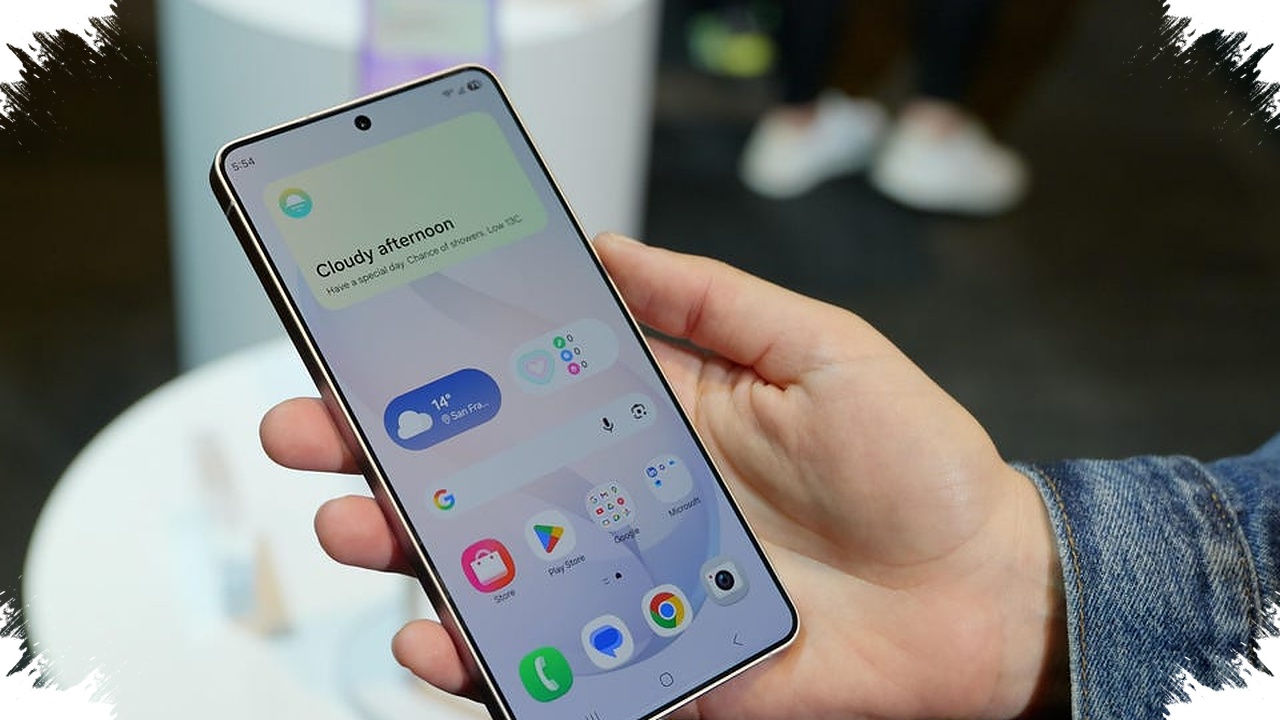
A thinner Galaxy S26 Ultra has drawn attention for its redesigned body, but a drop test suggests the most vulnerable area may not be the frame at all. The device measures 7.9 mm thick, and Samsung has shifted the main chassis material from titanium to Armor Aluminum 2 to support that slimmer profile.
That design choice gives the phone a cleaner and more refined look, yet it also raises a practical question: how well can a thinner flagship handle impact? A concrete drop test by the PBKreviews YouTube channel offers an early answer, showing that the phone stays functional, but its camera section reacts more quickly to damage than other parts.
A slimmer build changes the durability conversation
Samsung is positioning the Galaxy S26 Ultra as its thinnest Ultra model so far. The 7.9 mm body is meant to deliver a more modern premium feel, but that kind of reduction usually comes with trade-offs in physical resilience.
One of the most important changes sits inside the structure itself. Instead of titanium, Samsung now uses Armor Aluminum 2 for the primary frame, aiming to balance a slimmer shape with enough strength to support the device in daily use. The shift does not mean the phone lacks protection, but it does alter how the outer body responds when it meets a hard surface.
The camera area shows the earliest damage
The drop test became most telling when the phone landed in less favorable positions. Among several impact angles, the camera module appeared to be the first part to show visible weakness.
According to the test results, the protective glass covering the 50MP telephoto camera cracked immediately on the first hard impact with concrete. That detail points to a possible sensitivity in the camera housing, especially if the thinner bezel around the module leaves less margin for impact absorption.
For users, that means the camera block may be the part that deserves the most attention when considering long-term physical protection. Even if the rest of the phone holds up, damage in this area can affect both appearance and confidence in everyday handling.
The frame takes hits, but keeps its job
While the camera protection failed early in the test, the Armor Aluminum 2 frame itself did not collapse under pressure. The body showed scratches and small dents, but the damage remained largely cosmetic and did not interfere with the phone’s essential functions.
Compared with the titanium frame used on the S25 Ultra, the aluminum surface showed impact marks a bit more clearly. Still, the test did not suggest that the S26 Ultra is structurally weak. The main body held together during the drop sequence, which matters more than surface marks alone.
Core functions remain intact after impact
The most important outcome from the test is that the internal hardware continued to work normally. The display and main system remained operational, even after the outside of the phone had visible scuffs from repeated contact with the concrete surface.
That result indicates the thinner design did not automatically reduce the device’s ability to protect what matters most inside. For a flagship phone, keeping internal components safe is just as important as preserving the exterior finish, and the S26 Ultra appears to manage that part of the challenge reasonably well.
What this means for everyday users
The findings suggest Samsung has preserved a solid baseline of durability while moving toward a slimmer and lighter-feeling design. Armor Aluminum 2 still offers meaningful resistance, even if it leaves more visible signs of impact than titanium.
At the same time, the camera module stands out as the part most likely to suffer in an unlucky fall. A protective case remains a practical option for users who want to reduce the risk of cracked camera glass and limit scratches or dents on the aluminum frame.
-

-

-

-