


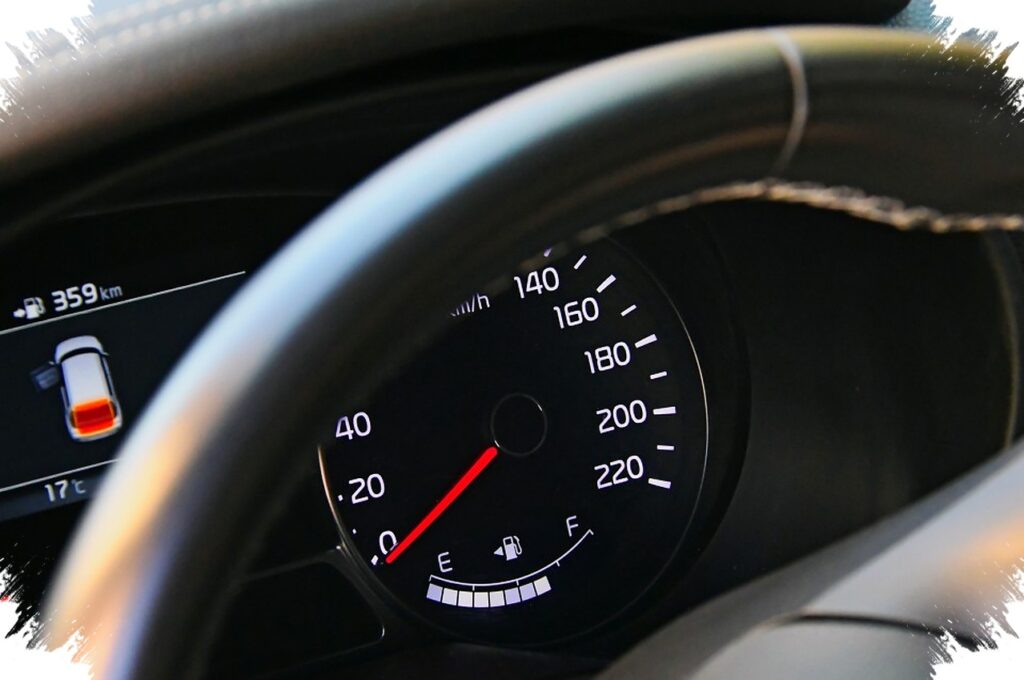
A motorcycle speedometer panel does far more than show road speed. It acts as a quick-reference center for the rider by presenting key data such as engine revs, remaining fuel, odometer readings, service reminders, and, on many modern models, additional information like fuel consumption, trip distance, oil indicators, digital clocks, and temperature.
When that panel starts to fail, important ride data can become difficult to read at a glance. That can affect how a rider monitors the motorcycle’s condition and makes decisions on the road, especially when the display is used to check speed, fuel level, and other essential indicators.
What the speedometer panel actually shows
The speedometer remains the most familiar part because it displays vehicle speed in kilometers per hour. Alongside it, the tachometer helps read engine rotations, while the fuel meter gives an estimate of how much fuel is left.
On many motorcycles, the panel has developed into a broader information center rather than a single-purpose gauge. Modern displays now combine several functions, making the speedometer area one of the most important parts of daily riding information.
Analog and digital systems still dominate the market
Motorcycles on the market still commonly use either analog or digital panels. Both serve the same basic purpose, but the display style and operating system are different.
Analog panels are known for their needle-based look and classic feel. On older systems, the needle movement followed the front wheel through a gearbox and cable, while newer versions receive speed input from a sensor on the engine.
Digital panels present information in numerical form on a screen, which many riders find easier to scan quickly. These systems also rely on engine rotation sensors, giving them a more modern appearance and a layout that suits current motorcycle needs.
LCD and TFT displays bring a more advanced presentation
Digital panels are usually built around LCD or TFT screens. LCD, or Liquid Crystal Display, is widely used because it can present complete information even in a monochrome format.
TFT, or Thin Film Transistor, offers a colored display that looks more modern. Some models go even further by adding entertainment features and smartphone connectivity, turning the panel into a more interactive part of the motorcycle.
Three common panel problems that make data hard to read
One of the most frequent issues is condensation inside the speedometer. This usually happens when water enters through a gap or crack, often after washing the motorcycle or riding in the rain.
If moisture appears inside the panel, the cover should be checked immediately. When the protective layer is damaged, replacing the lens or mika can help restore a tight seal and protect the internal components.
Another problem often seen on LCD panels is screen sunburn. The display may darken or show burnt-looking marks that make the information difficult to see.
Prolonged direct sunlight is the main cause. For that reason, parking the motorcycle in a shaded area or covering it when not in use can help reduce the risk of damage to the screen.
A third complaint is a display that fades or flickers. This issue is usually linked to the electrical system, including damaged wiring or a weakening battery.
If the battery is already old, replacement may be needed to bring the panel back to stable operation. A healthy electrical system helps keep the indicators bright and readable during use.
Why early attention matters
Because the speedometer panel is the rider’s immediate source of key information, any disturbance can reduce safety and comfort. Losing clear access to speed, fuel status, or other indicators can make it harder to read the motorcycle’s condition in real time.
Recognizing the differences between analog, digital, LCD, and TFT panels can help riders spot early warning signs before the problem worsens. Basic panel care and regular electrical checks remain important to keep the information on the display accurate and easy to read on the road.