


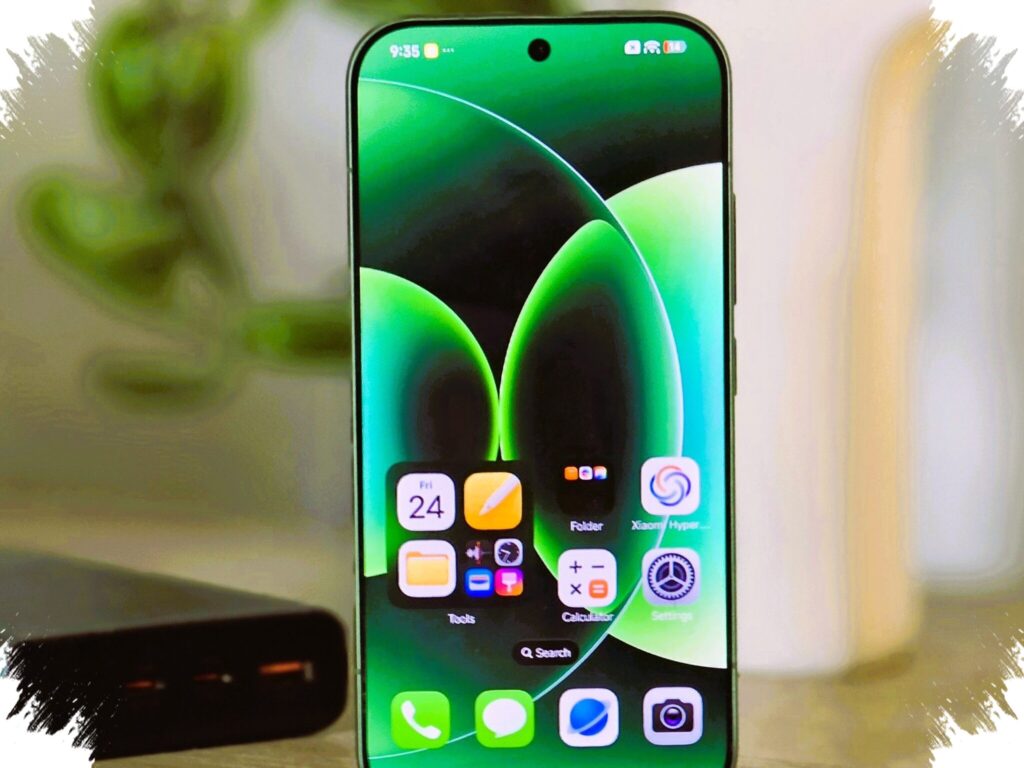
Xiaomi has started its Android 17 Developer Preview program, and the first wave is limited to just three phones. The early access list includes the Xiaomi 17, Xiaomi 17 Ultra, and Xiaomi 15T Pro, giving these devices the earliest look at the next-generation operating system.
For developers and advanced users, this kind of preview matters because it allows app testing before the final release reaches a wider audience. It also gives Xiaomi a controlled environment to check stability and compatibility before expanding support to more models.
Early access is intentionally limited
Xiaomi has kept the first phase small on purpose by opening the program only to three devices. That approach is common in software testing, especially when a company wants to monitor the rollout closely before making it available more broadly.
The company has also indicated that additional devices will receive access gradually later on. That means the current preview is only the beginning of a wider testing path rather than a closed program restricted permanently to those three phones.
Why the preview matters for apps
A Developer Preview is not only about showing a new operating system ahead of time. Its more important role is to help developers identify compatibility issues early so apps can be adjusted before Android 17 reaches the public.
With this access, developers can observe system changes and verify whether applications remain stable under the new software. That early testing can reduce the risk of problems when the final version becomes available to regular users.
What the rollout suggests about Xiaomi software plans
The Android 17 preview also offers an early clue about Xiaomi’s software direction. Reports suggest the company is not jumping straight to HyperOS 4, but instead may pair Android 17 with HyperOS 3.3.
There is also mention that HyperOS 3.2 has been skipped without an official explanation. That detail has drawn attention because it adds another layer to Xiaomi’s software roadmap, especially for users who follow the company’s interface updates closely.
A possible base for future interface changes
Early signs from the Android 17 Developer Preview point to a new design foundation for HyperOS. Even so, the interface changes and new features are not expected to appear in full at this stage.
More visible updates will likely emerge in later development versions. For now, the preview appears to serve mainly as a technical testing ground rather than a finished look at what users will eventually see.
The first three devices
The phones that received first access are the Xiaomi 17, Xiaomi 17 Ultra, and Xiaomi 15T Pro. These models now sit at the front of Xiaomi’s Android 17 testing cycle.
Their role is important because they help show how the new system performs across Xiaomi’s ecosystem. For developers, that means an earlier chance to check app readiness, while for Xiaomi it provides useful feedback before a broader rollout begins.
The program also signals that Xiaomi is moving quickly in its testing phase for the next Android release. For users of the three eligible phones, the preview opens the door to an early look at Android 17, while the wider device list will have to wait for the next stages of the rollout.