


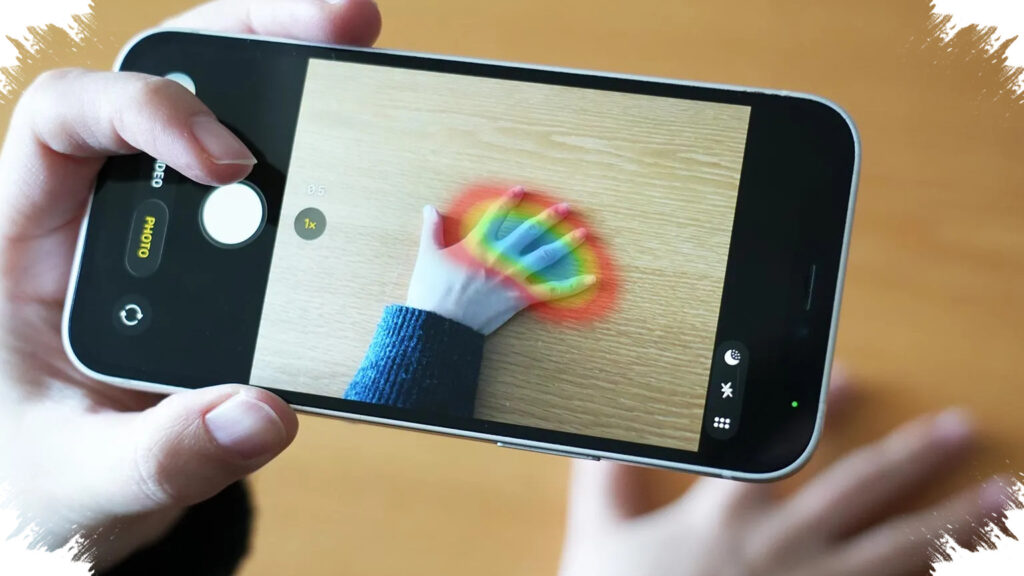
A viral ChatGPT trend that turns palm photos into personality readings is drawing attention for more than entertainment. As users rush to upload high-resolution images of their hands, privacy concerns are rising over what else those pictures may reveal.
The appeal is easy to understand. After OpenAI rolled out ChatGPT Images 2.0, social media users quickly began testing creative prompts, and palm reading became one of the fastest-moving examples. On X and Reddit, people shared neatly formatted readings based on the lines in a palm, and the results were often described as detailed, polished, and surprisingly engaging.
That popularity has also triggered a more cautious response. For many users, a palm image is not just another casual photo, because it may contain biometric information that is far more sensitive than it appears.
Why palm photos are being treated as sensitive
Some internet users have pointed out that a high-resolution image of a palm can expose biometric details. Those details include fingerprints and the unique geometry of a person’s hand, both of which can help identify an individual.
The concern is not simply that the photo exists, but that biometric data cannot be treated like a password. If such data is exposed or misused, it cannot be changed in the same way a password can be reset. That difference is one reason the trend has drawn sharper scrutiny than many other AI photo experiments.
A community note attached to one viral post on X made that argument directly. It said that palm photos uploaded to AI tools can reveal extractable fingerprints and other biometric data, and that this kind of information cannot be replaced once compromised.
Memes are fueling the anxiety
The privacy debate has spread alongside jokes, especially memes that frame the trend as a new form of voluntary data sharing. One widely circulated example showed a person whispering to OpenAI CEO Sam Altman, with a caption joking that users had already handed over eye and retina data during a previous trend and were now uploading high-resolution palm photos for AI reading.
The tone was satirical, but the message resonated because it reflected a broader discomfort. Many users increasingly worry that personal data is being surrendered too easily in exchange for entertainment or novelty.
That unease is not limited to ChatGPT. Conversations about privacy risk have also surfaced around other AI services such as Gemini and Claude, especially when people upload images of faces, eyes, or other body parts tied to biological identity.
Claims about CIA access remain unsupported
The online discussion has also produced more speculative claims. Some comments linked the trend to the CIA, suggesting that intelligence agencies could be monitoring AI interactions or accessing user data.
There is, however, no evidence supporting the claim that palm photos uploaded to ChatGPT are being shared with the CIA. The reference material makes clear that this idea is unsubstantiated, even if the rumor continues to circulate because of growing public suspicion toward large technology companies and government institutions.
In that context, the CIA reference functions more as a symbol of distrust than a verified accusation. The larger issue is not espionage, but the way biometric images are stored, processed, and potentially accessed on AI platforms.
Entertainment value is helping the trend spread
The reason the trend spreads so quickly is also part of the problem. Many users find the AI-generated palm readings fun, polished, and easy to share, even if the interpretations are often broad and optimistic rather than deeply personal.
That makes the feature feel harmless at first glance. Yet the speed of the trend means privacy concerns can be overlooked while users are focused on the novelty of the output.
This is why the warnings gained traction so quickly. The discussion is not really about whether AI can accurately predict a person’s future from palm lines. It is about how easily biometric data can be handed over during an activity that looks light, playful, and low-risk.
Source: www.indiatoday.in