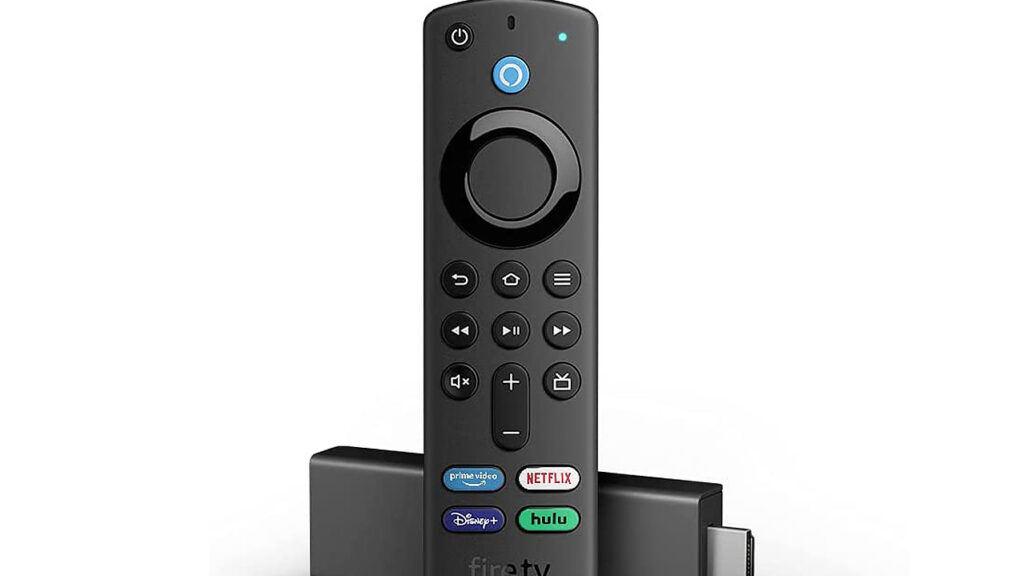
A class action lawsuit is putting Amazon’s Fire TV Stick lineup under scrutiny, with allegations that older models were intentionally slowed down over time. The case centers on whether the devices became less usable because of normal aging or because performance was gradually reduced in a way that pushed customers toward newer hardware.
The complaint, filed in Los Angeles County Superior Court, focuses mainly on the first- and second-generation Fire TV Stick models. It says users faced sluggish menus, long loading times, and noticeable lag during everyday use, even though the devices still powered on and appeared functional.
What the lawsuit is alleging
At the heart of the filing is the claim that the slowdown went beyond ordinary wear and tear. The plaintiffs argue that the older Fire TV Stick units deteriorated to the point where they were no longer practical to use, which they say is more consistent with planned obsolescence than with the typical decline seen in consumer electronics.
CNET reported that one of the plaintiffs, Bill Merewhuader, said he owned two second-generation Fire TV Stick units purchased in 2018. According to the complaint, both devices began to fail after several years and eventually became unusable, leading to a forced upgrade in 2024.
That detail matters because the lawsuit frames the issue not as a minor inconvenience, but as a broader product-performance problem. A streaming device that still turns on but cannot keep up with basic navigation or app use can lose much of its real-world value.
Software support is part of the dispute
The case also questions how Amazon communicated software support timelines for older Fire TV Stick models. The plaintiffs say the company did not clearly explain how long the early-generation devices would continue receiving updates.
Referenced materials indicate that Fire TV Stick models released in 2014 and 2016 received software support until 2022 and 2023. After that support ended, the devices were described as effectively “bricked” from a usability standpoint, even though the hardware itself still worked.
That distinction is important for streaming products. These devices depend heavily on software updates to remain responsive, compatible, and stable enough for daily use. Once updates stop and the interface slows down, the product may remain technically alive while becoming functionally outdated.
Why users say they were pushed toward new models
TopClassActions noted that Amazon did not offer refunds or compensation to affected users at the time. Instead, the company is alleged to have left consumers with little choice but to spend more money on newer models if they wanted a usable streaming device.
The complaint therefore reaches beyond product quality alone. It raises questions about how openly a company should communicate the effective lifespan of a device that depends so heavily on software support, performance tuning, and application compatibility.
For many users, the difference between a device that still works and one that is still worth using can be substantial. A Fire TV Stick needs quick responses, stable navigation, and reliable app performance to remain practical in everyday use.
Who the proposed class includes
The proposed class action is said to cover U.S. users who owned a first- or second-generation Fire TV Stick on specific reference dates. For the first generation, the reference date is January 1, 2023, while for the second generation it is April 1, 2023.
That scope suggests the lawsuit is intended to go beyond a single consumer’s complaint. It aims to gather other users who believe they experienced similar problems with older Fire TV Stick devices and were left with little support once the slowdown became severe.
The outcome is still uncertain, but the report notes that Amazon now has a dedicated page listing software update timelines for its devices. That information may become relevant if the court examines whether customers were given enough clarity about how long their Fire TV Stick models would remain fully usable.