YouTube is tightening one of the most common sources of phone clutter: notifications from channels that users no longer watch. The platform is now filtering those alerts more aggressively so they do not keep filling lock screens and status bars with interruptions.
The change is aimed at notification fatigue, which YouTube sees as a real problem. When alerts become too frequent or irrelevant, users are more likely to switch off notifications altogether, a move that hurts viewers, creators, and the platform itself.
How the new system works
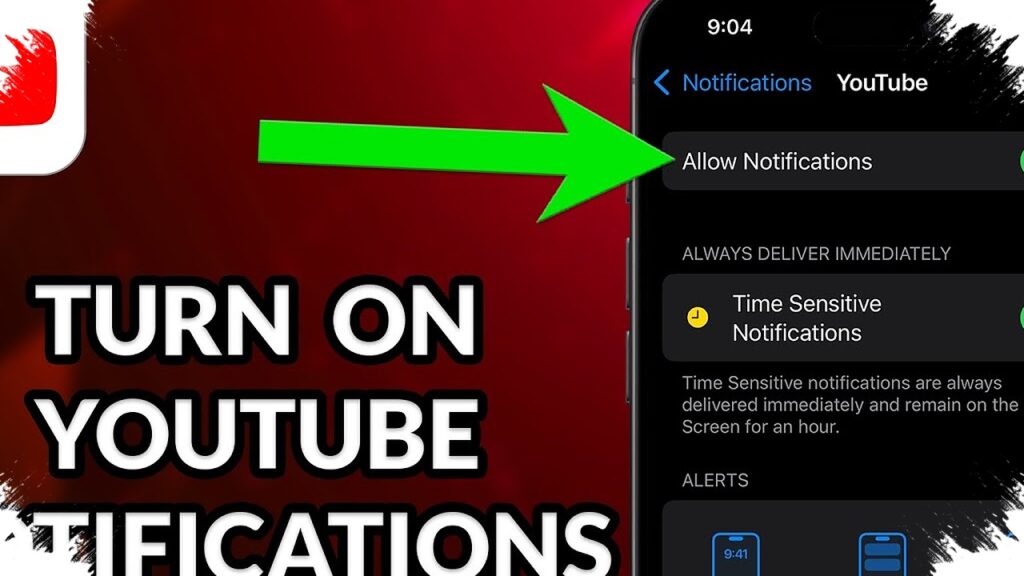
Starting now, YouTube will stop sending mobile push notifications from channels that have not been watched in the past month. This applies even if a user previously allowed a channel to send all notifications through the bell setting.
The new rule is based on account-level activity. If a user has not clicked, watched, or interacted with notifications from a channel within the last 30 days, YouTube will place that channel on mute.
For phone users, the effect is immediate. Push alerts from those channels will no longer appear on the lock screen or in the status bar. The information does not disappear completely, though, because it remains available inside the YouTube app.
Still accessible, but less intrusive
Users can still find those notifications by opening the app and tapping the bell icon in the upper-right corner. That means updates from muted channels are not removed, only pushed out of the way.
YouTube appears to be using this as a middle ground. Rather than letting users lose patience and disable all notifications, the platform is choosing to quiet channels that rarely draw attention while keeping access to their updates inside the app.
That approach also makes business sense. If notifications are blocked entirely, traffic can drop sharply and ad revenue may follow, while creators lose a major channel for telling viewers about new uploads.
Channels with irregular upload schedules are protected
There is an important exception in the new policy. YouTube says channels that upload on an irregular schedule or very rarely will not be affected by the 30-day rule.
That matters for creators who make video essays, long-form documentaries, or animation projects that take a long time to produce. A channel that uploads only once a month may still deserve full notifications when a new video finally arrives.
This shows that the system is not designed to reward only frequent posting. YouTube is trying to preserve room for slower, higher-effort content that still has an audience waiting for it.
One detail remains unclear
Even with the new filtering in place, YouTube has not explained every part of how the feature will behave. One unanswered question is whether push notifications will turn back on automatically if a user starts watching the channel again through the Home feed or search.
What is already clear is the direction YouTube is taking. The company is becoming more selective about what reaches the lock screen, with the goal of reducing unnecessary interruptions without cutting creators off from viewers entirely.