


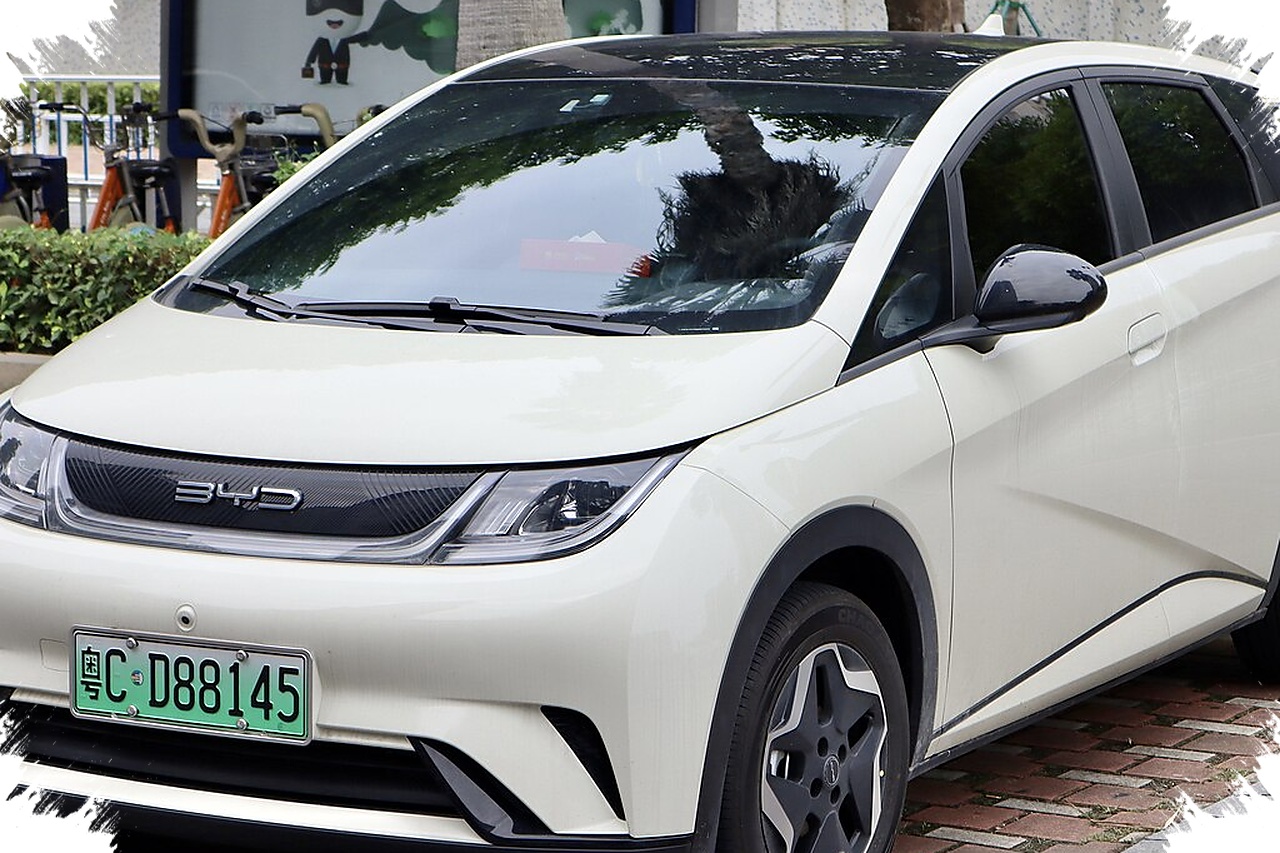
The pressure in the affordable EV segment is rising, and BYD Dolphin is one of the models forcing that shift. Its appeal rests on a mix that is difficult for rivals to ignore: aggressive pricing, relevant technology, and a clear focus on entry-level buyers.
That combination matters because many shoppers want an electric car that feels practical without becoming expensive. BYD Dolphin is positioned exactly in that space, where daily usability and cost control carry as much weight as brand history.
A budget EV that still aims to feel complete
The main strength of BYD Dolphin is not just that it is cheap. It is that the package still puts attention on the features buyers usually care about most, especially battery efficiency, safety systems, and connectivity technology.
That balance helps distinguish it from low-cost EVs that may appear affordable but feel too stripped down for everyday use. For consumers moving away from gasoline cars, that difference is important because the first electric vehicle often has to be convincing on both price and usefulness.
Why established brands are feeling more pressure
Dolphin also reflects a broader change in the EV market. Competition is no longer defined only by who can launch the newest electric model, but by who can combine price and capability in a way that feels credible to mainstream buyers.
This is where BYD’s approach stands out, especially in the entry-level category. The model does not try to win only on cost; it tries to remain competitive in the basic features that shape daily ownership, which increases the challenge for older, more established players.
The result is a stronger challenge to brands that once held more comfortable positions in the global market. Chinese manufacturers are becoming more aggressive, and they are pushing into spaces that were previously dominated by traditional names.
Design also helps the message
Price and equipment are not the only reasons Dolphin attracts attention. Its modern, futuristic design gives it an extra advantage in markets where compact EVs often have to overcome the assumption that low-cost cars should look plain.
That visual appeal helps in both Asia and Europe, where a fresh design can make an entry-level model feel more desirable. BYD appears to be working against the idea that a lower price must come with a compromise in style.
In a market like this, that matters as much as technical positioning. Buyers are not only comparing specifications; they are also responding to whether a car feels current and suitable for urban life.
A market that is becoming easier for EV adoption
The growing EV ecosystem is also supporting models like Dolphin. As charging infrastructure expands, the daily use of electric vehicles becomes more practical, especially for city driving and routine commuting.
That reduces one of the biggest barriers for first-time EV buyers. When charging access becomes less of a concern, entry-level electric cars become much more appealing to consumers who are still deciding whether to switch.
This broader environment strengthens Dolphin’s position further. Its competitiveness is not built only on the product itself, but also on a market that is becoming more ready for affordable electric mobility.
What Dolphin signals for the next phase of EV competition
BYD Dolphin shows that the battle in electric vehicles is moving toward a new standard. Affordable pricing still matters, but it now has to be paired with efficiency, safety, and connectivity if a model wants to stay relevant.
That shift puts pressure on brands that relied on reputation alone. For consumers, it creates more choice in the compact EV segment, while for the industry it confirms that the next decisive competition will likely happen in the affordable end of the market.