


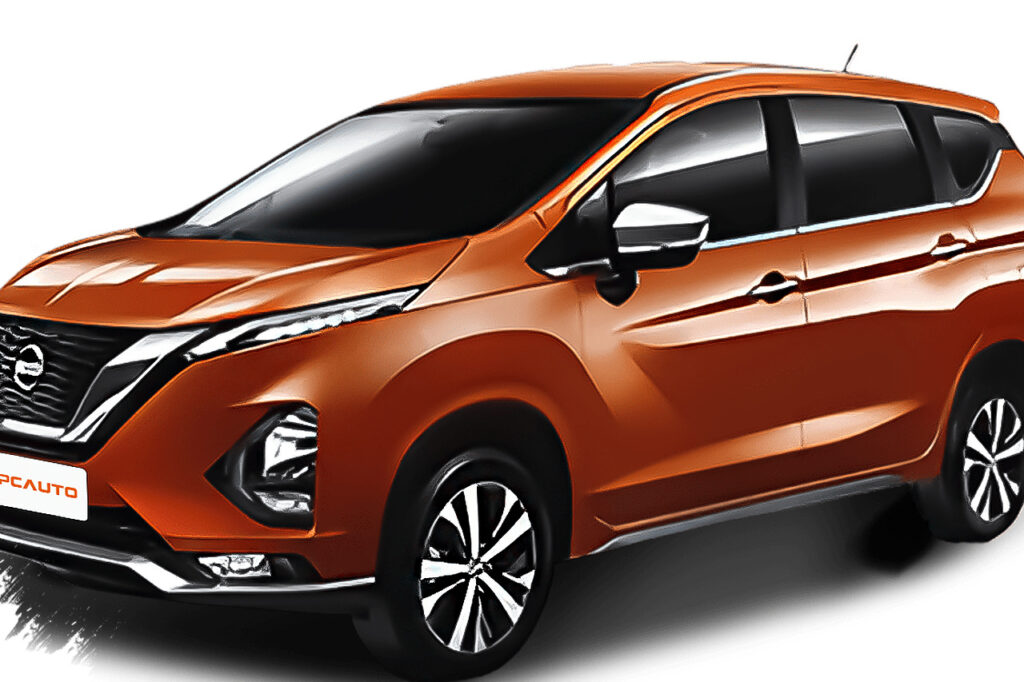
For families looking at the Nissan Grand Livina in 2026, the main question is no longer whether it is comfortable. The more relevant issue is whether its familiar strengths still outweigh the limitations that have become harder to ignore.
The answer depends on what kind of daily use it will face. Grand Livina still offers a roomy cabin, flexible cargo space when the second and third rows are folded, and a soft suspension that helps it stay comfortable on uneven roads.
Comfort remains its strongest card
In regular city driving, the Grand Livina still appeals to buyers who value ease over complexity. Its ride quality is one of the reasons it continues to be seen as a practical family option, especially for commuting and short trips.
The handling is also described as good, with minimal body roll. That makes the car feel more stable on highways and during cornering, which strengthens its case as a family MPV for everyday use and light intercity travel.
The cabin presentation also helps. Interior materials and dashboard design are considered fairly good for its class, so the interior feels more refined than many other MPVs in the same segment.
Fuel efficiency adds another layer of appeal. Reported consumption sits around 9–12 km/l in the city and 14–17 km/l outside the city, depending on usage conditions.
The limits become clearer on rougher roads
One of the most noticeable drawbacks is ground clearance, which is around 175 mm. That figure makes the car more vulnerable to scraping over speed bumps or damaged roads, especially when carrying a full load of passengers.
This limitation matters more for families that often travel on rough village roads or uneven surfaces. In those conditions, the Grand Livina’s comfort-focused setup can start to feel less forgiving than expected.
The third row also has a clear weakness. Legroom and headroom in the back are limited, so adults are unlikely to find that seat comfortable for long periods.
Noise and braking behavior are not flawless
Cabin insulation is another area where the car shows its age. At higher speeds, engine noise and road noise remain noticeable inside the cabin, so quietness is not on par with newer or more expensive models.
Another point worth noting is its engine-braking character. The effect is not particularly strong when descending roads or slowing down, and that can make it feel less convincing than some rivals in similar conditions.
These shortcomings do not erase the Grand Livina’s strengths, but they do shape how suitable it is for certain buyers. The car still works best as a calm, efficient daily vehicle rather than a full-featured modern family MPV.
Safety details need closer inspection on older variants
Safety equipment is also an area where older versions deserve careful checking. Some older trims were not equipped with modern features such as an immobilizer or newer safety equipment.
That means prospective buyers should look closely at the exact variant before deciding. The difference between trims can matter more here than in many newer family cars.
For households that mainly drive in the city, the Grand Livina’s comfort, stability, and efficiency may still be enough. But for those who regularly carry seven passengers, face poor road conditions, or expect more complete safety features, the compromises are difficult to overlook.