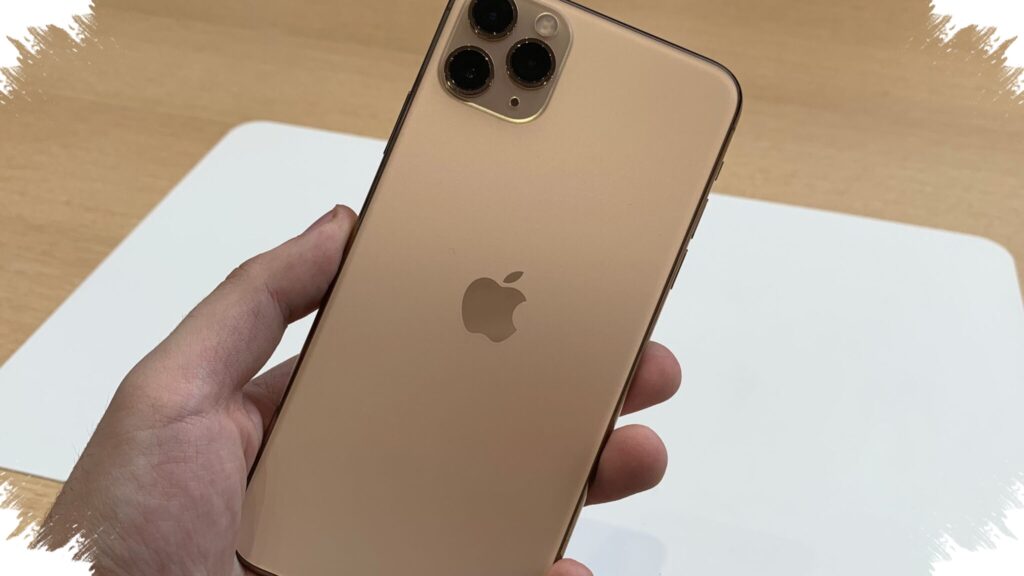
The latest iOS 27 rumors are putting the iPhone 11 in a difficult spot. The model is now being closely watched because Apple is said to be preparing a cutoff for A13 Bionic support, which could push the iPhone 11 out of the next major update cycle.
That possibility matters for more than just missing new features. It could also tighten the long-term limits of a device that is still widely used and still considered by many users to be a capable daily phone.
A13 Bionic appears to be the key line
Depraz, a creator who regularly discusses Apple products and technology, said the main direction of iOS 27 points to the end of support for the A13 Bionic chip. Under that scenario, devices using the chip would likely not appear in the iOS 27 compatibility list.
The names most often mentioned in that discussion are the iPhone 11 series and the second-generation iPhone SE. Devices expected to remain safe include the iPhone 12 and newer models.
Apple has not made any official announcement so far. Even so, the prediction is seen as consistent with Apple’s long-standing support pattern that observers often use to read the company’s next moves.
Why the rumor matters for current users
The iPhone 11 is still used widely, and many people continue to regard it as one of the older iPhone models that remains practical for everyday use. That is why any change in update support draws immediate attention.
Losing a major iOS update would not only mean fewer new features. It would also place the device under stricter software limits at a time when apps continue to move toward newer system requirements.
iOS 27 is expected to focus on stability
Beyond compatibility concerns, Mark Gurman has said iOS 27 will emphasize stability, bug fixes, and performance optimization. That suggests the next update is not being shaped around a major visual overhaul or an aggressive wave of new features.
Apple appears to be aiming for a cleaner and more efficient user experience. At the same time, the update is also being prepared to support different kinds of devices, including new hardware categories.
One device linked to that direction is the iPhone Fold. It is said to use Stage Manager, which would make multitasking more flexible on a foldable form factor.
Users are split on what the news means
The rumor has already triggered mixed reactions among iPhone 11 owners. Some see it as a sign that an upgrade will eventually be necessary, while others feel the phone is already better left on an older iOS version.
An account named @NEO said the iPhone 11 felt smoothest on iOS 15. The same user also described the phone as cooler in use, while performance reportedly started to feel slower from iOS 16 onward.
A similar complaint came from @Zean, who said an iPhone 11 was already feeling sluggish on iOS 26. For that user, moving to iOS 27 could make the experience even worse.
Security and banking apps remain part of the concern
Another question raised by users involves mobile banking apps. @Basara asked whether a phone that stops receiving iOS updates would affect security and compatibility when opening banking applications.
@DEPRAZ replied that the impact usually becomes visible only when a device has fallen too far behind. The issue often appears when banks start requiring a minimum iOS version.
That makes app compatibility an important part of how long an iPhone stays useful. Camera quality, social media, and messaging still matter, but support for essential services such as financial apps can determine whether an older device remains practical.
As long as the apps in use still support the available iOS version, older iPhones can continue to work normally. Once developers raise the minimum system requirement, however, the limits of a device that no longer gets major updates become much more noticeable.
For now, the fate of the iPhone 11 on iOS 27 is still only a prediction. Still, the direction of the rumor is clear: if Apple does end support for A13 Bionic, the iPhone 11’s run as a recipient of major iOS updates may be nearing its end.