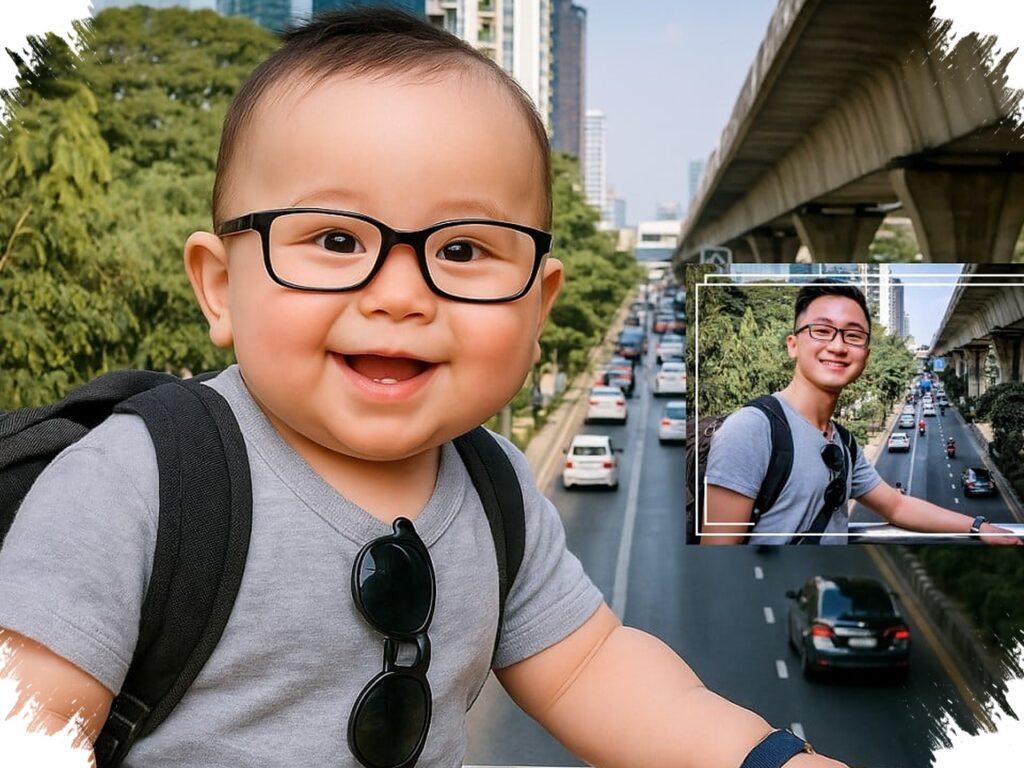
A single baby photo is now enough to produce a short dance clip that looks as if it has been animated into motion. That simplicity is one of the main reasons baby-dance AI videos have been spreading quickly across TikTok and Instagram Reels.
The format combines cuteness with a visual surprise that immediately catches attention. Because the clips are short and easy to make, many users see them as an efficient way to create content that can attract likes, comments, and reposts.
How the process works
The creation process usually starts with a clear front-facing photo of a baby. Image quality matters because the AI needs visible facial and body details to build a cleaner animation.
After uploading the selected image to an AI video generator, the user typically chooses a dance style or a motion template. The system then handles the rest and turns the still photo into a short video in just a few minutes.
Some platforms make the process even simpler by offering a one-click flow after a template is selected. In those cases, the finished clip is ready to share without manual editing on a timeline or the need to add effects one by one.
Why the result looks convincing
These videos rely on motion transfer, a technique that takes movement from a reference dance video and applies it to another subject. The AI reads the face and body from the static photo, then merges that information with the chosen dance motion.
That approach helps the final clip look animated in a way that feels lively and recognizable. The result is not only amusing, but also surprising enough to hold attention on social feeds.
Tools creators often use
Many creators turn to template-based dance tools because they are easy for beginners. These platforms usually come with ready-made motion options, so users can focus on uploading a photo and choosing a style.
Some AI dance generators also offer thousands of viral dance templates. That gives users room to match a clip with a trend or with an audio choice that is already circulating widely.
More advanced tools exist for people who want finer control over the movement. Those options are aimed at users who want more detail in the animation than a basic template can provide.
In the broader AI video space, Sora and Runway are also mentioned as tools that can generate video clips from text prompts. Their output is still limited in duration, but they show how quickly AI video creation is developing.
Why this format spreads so fast
Baby-dance AI videos work well on social platforms because they blend emotion with technology. Babies naturally trigger a sense of warmth and amusement, while the AI-generated motion adds a novelty factor that makes people pause.
The format also spreads easily because it is simple to copy. Once users see how fast the videos can be made, more people are likely to try the same style and post their own version.
That repetition helps the trend move from one account to another. The more the clips appear in feeds, the more familiar and shareable the format becomes.
What helps a clip perform better
Music choice remains important because trending audio can help a post travel farther. Social media algorithms are often sensitive to popular sounds, so using the right track may give the content an extra boost.
Short duration also matters. A clip around 10 to 20 seconds gives viewers a better chance of watching it through and replaying it.
Captions can support engagement as well. A simple question or a light humorous line may encourage comments and make the post feel more active.
At the center of the trend is still the same formula: a cute subject, a quick production process, and a result that feels unexpectedly lively. That combination is what gives baby-dance AI content its strongest chance of getting attention in crowded social feeds.