


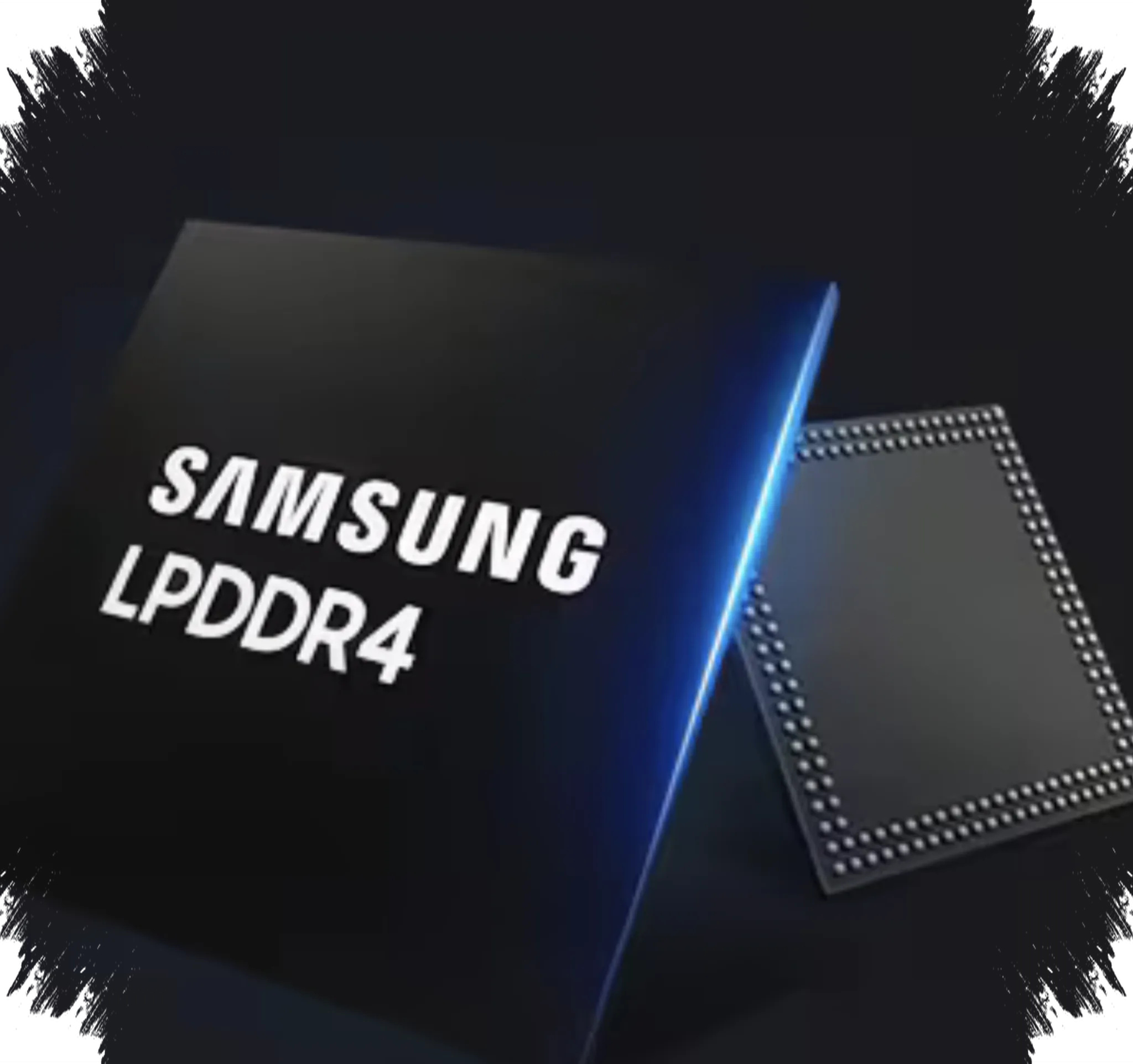
LPDDR4 Supply May Tighten as Samsung Shifts Focus to Newer Memory
Samsung is reportedly preparing to end LPDDR4 production at the end of 2026, a move that could ripple through the budget smartphone market. If lower-cost RAM becomes harder to source, phone makers may be pushed toward LPDDR5 or LPDDR5X, both of which are more expensive.
The change matters most for entry-level and mid-range devices, where memory choice is often a key tool for keeping prices down. As component costs rise, the phones that depend most on inexpensive parts may lose part of that price advantage.
A Shift Toward More Profitable Memory Lines
The Elec, as cited by Notebookcheck, reported that Samsung has already stopped taking new orders for LPDDR4 modules, including the more power-efficient LPDDR4X. Samsung has been making these chips for nearly a decade, but it now appears ready to move production capacity toward LPDDR5 and LPDDR5X.
From a business perspective, the transition is easy to understand. Newer memory generations usually deliver higher performance and better margins, which gives manufacturers a stronger incentive to prioritize them.
Samsung has not publicly explained the decision. Some observers see the move as a profit-driven shift toward LPDDR5, while others connect it with the recent ratification of LPDDR6.
Budget Phones Face the Biggest Pressure
LPDDR4 and LPDDR4X are widely used in low-end devices from Qualcomm and MediaTek-based smartphones because they help keep costs down. Once Samsung’s supply is reduced, that low-cost option narrows, and some of the added expense may eventually reach consumers.
The impact is likely to be strongest in budget and mid-range phones, the two segments most dependent on inexpensive parts. If LPDDR4X becomes unavailable, brands may need to redesign phones around LPDDR5 or LPDDR5X, which would raise procurement costs and likely increase retail prices.
That shift would not only affect pricing. It may also influence how manufacturers plan new models, since memory choices can shape both the bill of materials and the final positioning of a device.
Faster Memory, Higher Prices
There is a technical upside to the transition. LPDDR5 is faster than LPDDR4, so phones built on newer memory could deliver better performance.
Still, that performance gain does not necessarily benefit buyers looking for the cheapest possible handset. The appeal of the budget segment has long been the trade-off between lower speed and lower cost, and that balance could become harder to maintain if LPDDR4 supply shrinks.
For many buyers, the question will not be whether the new memory is better, but whether the improvement justifies a higher price tag.
Samsung Is Not the Only Player
Samsung is a major force in the memory market, but it is not alone. SK Hynix is estimated to hold around 26% of the market, while Micron is also a significant player.
There are also signs that LPDDR4 may not disappear from the market altogether. ETNews reported that Chinese companies Gigadevice and Changxin Memory Technology, or CXMT, are working together to sell their own LPDDR4, DDR3, and DDR4 chips.
If that effort succeeds, CXMT and Gigadevice could become important LPDDR4 and LPDDR4X suppliers. Their presence may help keep pricing competitive for makers of affordable phones, even if Samsung steps back from the segment.
Samsung has not confirmed or denied the reports about ending LPDDR4 production. The company previously announced that it would stop producing DDR4 at the end of the year, but later backed away because of non-cancelable, non-returnable contracts that still required it to fulfill certain orders.