


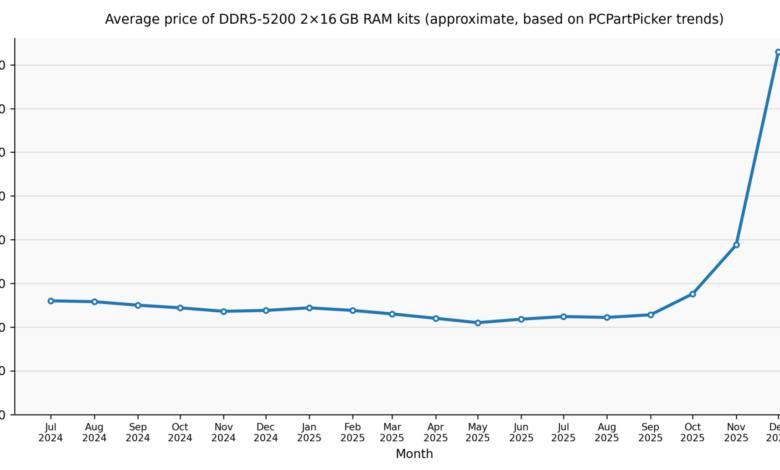
Smartphone prices are not expected to ease anytime soon, and the pressure now comes from more than just currency moves. Industry demand from AI data centers is tightening component supply, while a weaker rupiah is adding another layer of cost for buyers in Indonesia.
Several technology research groups now expect expensive phone pricing to continue through the end of 2027. That outlook reflects a market in which manufacturers are facing higher production costs and limited room to cut retail prices.
AI Is Reshaping Component Demand
The rapid expansion of AI has become one of the biggest forces behind rising smartphone costs. Large data centers built for AI require high-capacity memory components in huge volumes.
That has pushed demand for RAM chips and internal memory sharply higher. Component makers are then prioritizing AI infrastructure because that market is growing every year.
As supply tightens, the amount of memory available for smartphones becomes more limited. When that happens, mobile device production costs rise, and the chance of lower prices shrinks further.
| Pressure Factor | Impact on Smartphone Costs | What It Means for Consumers |
|---|---|---|
| AI data center demand | Consumes more high-capacity memory supply | Fewer components available for phones |
| Advanced chipset production | Requires large investment and complex fabrication | Higher final device pricing |
| Weak rupiah | Makes imported components more expensive | Retail prices in Indonesia remain under pressure |
Manufacturing Costs Keep Rising
Price pressure also comes from the growing complexity of modern chipset manufacturing. New fabrication technologies demand major investment, and those costs are ultimately reflected in the finished product.
Memory is not the only area under strain. Other important components have also become more expensive to produce, making it difficult for manufacturers to lower prices even in a competitive market.
Some newer models have even been launched at higher prices than their predecessors. In this environment, vendors often respond by adding features rather than cutting prices aggressively.
The Weak Rupiah Adds More Burden
For Indonesia, the exchange rate is a major part of the story. Most smartphone components are purchased in US dollars, so a weaker rupiah immediately increases import costs.
When import costs rise, manufacturers usually adjust retail prices to protect margins. The higher the dollar climbs, the more difficult it becomes for phones to become cheaper in the local market.
Why Prices May Stay High Through 2027
Technology research groups believe this situation will not improve quickly. Component supply is not expected to normalize soon, while demand from the AI sector continues to expand.
Chipmakers must divide production capacity across many industries, and smartphones are no longer the top priority in the distribution of key parts. That keeps pressure on mobile device costs from the supply side.
As long as those conditions remain in place, major price cuts will be hard to achieve. Even when a phone appears cheaper, the discount is often tied to a marketplace promotion or a temporary sales campaign.
Discounts Are Not the Same as Lower Production Costs
A lower sticker price usually appears during national shopping events, online sales festivals, or stock clearance before a new model arrives. Those reductions are temporary and do not necessarily reflect a lower manufacturing cost.
Consumers should therefore separate true price cuts from promotional discounts. If a purchase is urgent, buying during a sale may still be the most economical option.
For buyers who are not in a hurry, waiting for a major promotion may offer a better deal. Even so, the broader trend still points to persistent pressure from AI demand, component costs, and the weak rupiah.
What Buyers Need to Watch
Manufacturers continue to try to offer competitive phones, but rising production costs have narrowed their room to lower prices. That leaves consumers with fewer chances to find meaningful drops outside of promotions.
If the rupiah strengthens and component supply improves, the pressure could ease. Until then, shoppers seeking the latest technology should be prepared for higher prices, while value-focused buyers may need to rely on official promotions to keep spending under control.
For now, the path to cheaper smartphones looks limited, and the market appears set to remain tight as AI demand keeps pulling key parts away from mobile devices.