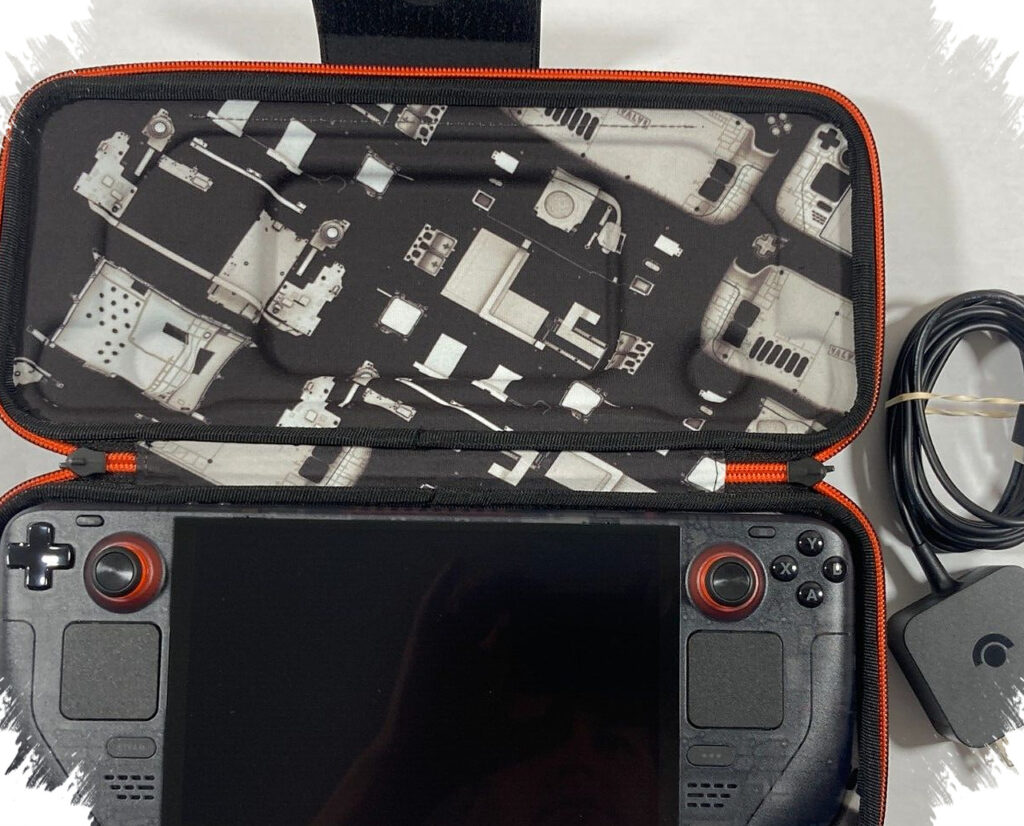
For Steam Deck OLED owners, one of the device’s longest-running audio problems is finally moving closer to a fix inside the Linux mainline path. A patch has now landed in Linux 7.1-rc2, giving users renewed hope that the stuck audio probe issue that has lingered since late 2023 may soon be resolved.
The change matters because the bug does not affect every Steam Deck model. Reports indicate that the LCD version has stayed clear of the same problem, which makes this issue specific to the OLED variant and helps explain why the fix has to be handled carefully.
According to Phoronix, the patch has already been merged into Linux 7.1. It arrives under the title “ASoC: amd: acp: Add DMI quirk for Valve Steam Deck OLED,” and the work was done by Guilherme G. Piccoli.
The path to this point has not been simple. The audio failure has often been linked to Linux kernel 6.8, which disrupted audio probing on the Steam Deck OLED. But the situation was never as straightforward as blaming a single commit and moving on.
Piccoli noted that the issue is tied in part to commit 671dd2ffbd8, yet the deeper problem sits in the topology file used by the Steam Deck OLED. That distinction matters, because a fix aimed too broadly could create new issues on other devices.
That risk is one reason the bug lasted so long without a clean upstream answer. A seemingly simple solution for the OLED model could easily damage compatibility elsewhere, so developers had to avoid a patch that would solve one device while breaking another.
The workaround now accepted takes a more targeted route through a DMI quirk. This approach lets the kernel identify the specific hardware that needs special handling and apply the fix only there.
In practical terms, that means the patch is designed to affect Valve Steam Deck OLED systems alone. By limiting the change to the right device, the kernel can restore audio probe behavior without imposing a global modification on unrelated hardware.
This is also why the new patch is seen as a safer compromise. Instead of pushing a universal correction that could spread unintended side effects, it focuses on a clearly defined case that has already been isolated.
The issue has also carried implications for users who rely on mainline Linux rather than downstream fixes. Until now, some Steam Deck OLED setups needed separate patches outside the primary kernel path to work around the audio problem.
That situation made support for the device feel incomplete, even as Valve and others kept working through the issue. The arrival of the fix in Linux 7.1-rc2 shows that the mainline route is finally catching up, even if it took a long time to get there.
Cristian had previously suggested a simpler change that could have addressed the problem on Steam Deck OLED, but that proposal was not accepted upstream because it would have affected other devices. The topology repair that might have been the cleaner long-term answer never fully took hold, which left downstream maintainers to carry the burden.
With this DMI quirk now in place, the immediate focus shifts to testing. If no new issues appear, Steam Deck OLED users could soon see one of the platform’s most persistent audio bugs handled directly in the kernel mainline.