


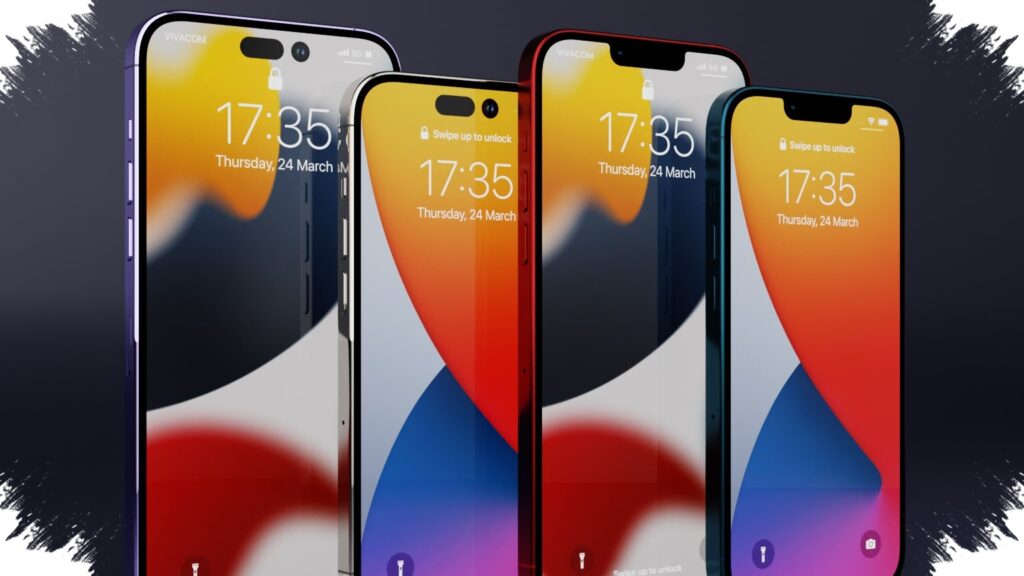
A smartphone screen labeled 120Hz can still feel less than smooth if the device struggles elsewhere. The number on the display does not guarantee fluid motion on its own, especially when the chipset, temperature, and software optimization are not working in sync.
That is why two phones with similar screen specifications can deliver very different real-world experiences. One may feel responsive during scrolling and app switching, while another may still stutter, lag, or drop frames despite advertising a high refresh rate.
120Hz Is Only Part of the Story
A 120Hz display refreshes the image 120 times per second. In everyday use, that often makes scrolling through social media, browsing long web pages, moving through menus, or navigating between apps look smoother than on a 60Hz panel.
The advantage is also noticeable in competitive gaming, where faster motion can feel more responsive. But the benefit depends on whether the rest of the phone can keep up with that display speed.
Why the Screen Does Not Always Stay at 120Hz
Many devices do not run at 120Hz all the time. The system may reduce the refresh rate to 90Hz, 60Hz, or even lower when the phone gets too hot, battery saving is active, the chipset is under heavy load, or power efficiency settings take priority.
Game compatibility also matters. If a game does not support high refresh rates, the display cannot fully use the 120Hz capability listed in the specifications. In those moments, the motion that was expected to feel smooth may become less consistent.
The Chipset Has a Bigger Role Than Many Buyers Realize
Display quality often gets the most attention, but the chipset is a major factor in how stable the experience feels. It affects graphics performance, frame-rate stability, and how well the device controls heat.
A strong and efficient chipset gives the screen a better chance of maintaining 120Hz smoothly. A weaker one may cause lag or frame drops even when the panel itself supports a high refresh rate.
Heat and Software Can Change the Experience
Temperature has a direct effect on refresh-rate stability. When a smartphone heats up quickly, the system usually limits performance to keep the device safe and manage power more efficiently.
Software optimization matters too. A well-tuned system makes the interface feel lighter and helps animations stay smooth. When that optimization is poor, the display may not feel as fluid as the specification suggests.
What Should Be Checked Before Buying
There are three main points worth reviewing before choosing a phone with a 120Hz display. The first is chipset strength and stability, because both help sustain high refresh rates more reliably.
The second is cooling performance, since devices that heat up quickly are more likely to reduce performance. The third is software optimization, which helps keep animations and system navigation smooth during daily use.
When those three elements work together, a 120Hz screen usually feels more premium. When they do not, the spec may look attractive on paper but deliver less impact in daily use.
A High Refresh Rate Still Needs a Strong Foundation
A 120Hz panel can make a phone feel more comfortable to use, but the display alone does not define the experience. Real smoothness depends on the balance between the screen, the chipset, and the system behind it.
That is why the most important choice is not just a higher refresh-rate number. It is a device built well enough to keep that number meaningful when it is used every day.
Source: id.mashable.com