


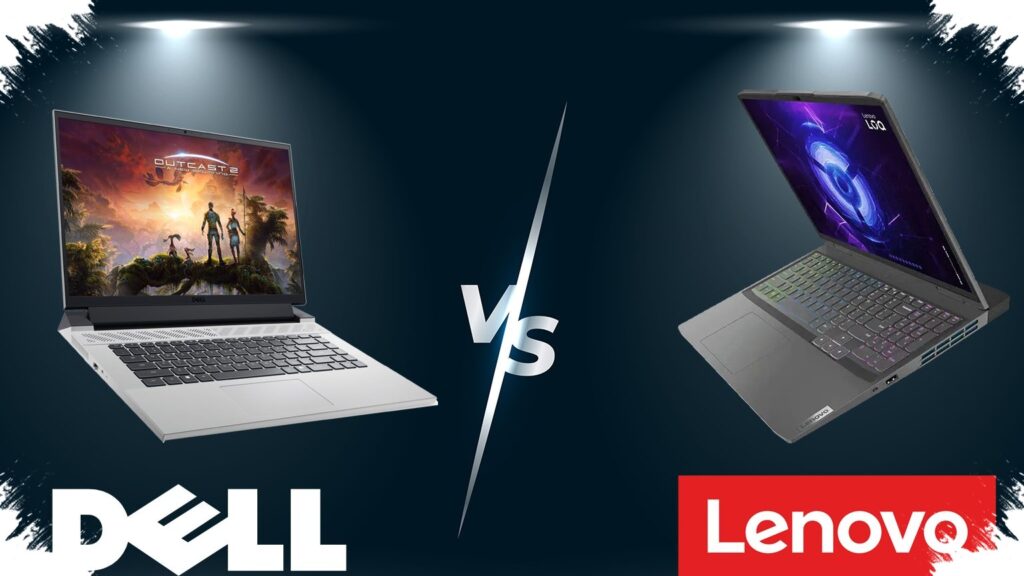
For many laptop buyers, the choice between Dell and Lenovo does not come down to brand loyalty. It comes down to which machine feels easier to live with day after day, and in that comparison Lenovo often stands out for practical reasons that matter over long work sessions.
The strongest case for Lenovo starts with the keyboard. Across lines such as ThinkPad, IdeaPad, and Yoga, the typing experience is described as comfortable thanks to deep key travel, satisfying tactile feedback, and a clean layout that helps when writing, coding, or handling documents for hours.
That advantage becomes even more visible on ThinkPad models, which include the TrackPoint. The small red nub in the middle of the keyboard offers cursor control without relying on the trackpad, giving users another ergonomic option while keeping their hands in the typing position.
Why Lenovo often feels easier to buy
Price is another area where Lenovo builds a strong argument. Its lineup stretches from low-cost models to premium machines, and many ThinkPad and IdeaPad options are positioned below comparable Dell PCs, making them easier to fit into tighter budgets.
One example is the IdeaPad Slim 3, listed at $279 on B&H Photo/Video. It comes with an AMD Ryzen 5 7520U, integrated AMD Radeon 610M graphics, 8GB LPDDR5 RAM, and a 256GB SSD, while a 15.6-inch Dell laptop at Best Buy with many similar specifications is priced at $500.
That price gap is tied in part to the Dell model’s 2K touchscreen, but the broader point remains the same: Lenovo often gives buyers more room to stay within budget. The brand also allows more control over configuration choices, including on the ThinkPad T14 Gen 6, where buyers can select an Intel Core Ultra 7 255U, Windows 11 in Spanish or Ubuntu Linux, 32GB of RAM, and even a smart card reader.
Where Dell keeps its edge
Dell still holds clear advantages in several areas, especially display quality and design. Its laptops often lean more premium, with features like touch support and 2K panels helping create a more upscale feel, even if they also push prices higher.
For creative work, Dell has a stronger reputation because many of its models use bright panels with high resolution and good color accuracy. The Dell XPS 16 illustrates that approach with a 16-inch 3.2K OLED touchscreen, while the same focus on visuals also makes Dell machines feel especially immersive for streaming movies or browsing the web.
Audio support and industrial design add to that impression. Dell frequently pairs its displays with strong speakers, and its newer laptops tend to stand out through refined materials, cleaner finishes, thinner bezels, and sturdy hinges.
Dell’s stronger position in gaming
When the discussion shifts to gaming, Dell gains another point through Alienware. These machines use high-end hardware designed to run demanding games at the highest settings while still maintaining a strong visual identity.
Cooling is another practical advantage. Dell is said to offer more effective thermal management, which helps internal components stay cooler during long sessions and reduces the risk of thermal throttling.
Recent Alienware models have also moved toward slimmer bodies. Some even allow RGB lighting to switch to plain white, making them more suitable for office environments than many Lenovo Legion gaming laptops, which still tend to use thicker chassis and brighter RGB styling.
The final choice between the two brands depends on what matters most in daily use. Lenovo is the stronger fit for users who value typing comfort, sensible pricing, and flexible configurations, while Dell remains appealing for buyers who place more weight on displays, design, and gaming performance.