


Apple’s next major software update is shaping up to be less about spectacle and more about endurance. Leaks around iOS 27 point to a release built around stability, efficiency, and smoother day-to-day performance, while also marking a clear shift away from some older iPhones.
The move suggests Apple is tightening its focus on devices that can handle heavier workloads, especially as AI features become more central. At the same time, the company appears ready to leave the iPhone 11 series and the second-generation iPhone SE out of the supported list.
A software update built around the basics
Rather than chasing flashy additions, iOS 27 is said to follow a philosophy closer to macOS “Snow Leopard.” The goal is to strengthen the operating system underneath the surface so the experience feels more dependable and consistent.
MacRumors says Apple is preparing core fixes aimed at reducing crashes and improving reliability on supported devices. System code is also expected to be tuned for faster app launches, smoother multitasking, and more responsive performance overall.
Battery life is another major target in the update. Apple is reportedly working on efficiency improvements to address one of the most common complaints users raise year after year.
Siri becomes the center of the AI push
Even with the strong emphasis on stability, iOS 27 is still expected to bring a meaningful leap in artificial intelligence. Siri is reportedly the part of the system undergoing the biggest change, with a stronger sense of context and more adaptive responses.
The assistant is also said to be integrating more deeply with core apps. Messages, Mail, and Calendar are among the services expected to gain tighter Siri support to help with everyday productivity.
Apple is additionally said to be preparing a standalone Siri app for iOS, iPadOS, and macOS. That would create a more seamless experience across the company’s ecosystem.
The interface may change as well. Siri’s new look is reportedly being designed with a Dynamic Island-style treatment and smoother animations to give it a more modern feel.
MacRumors links part of this work to Apple’s collaboration with Google’s Gemini team. The implementation details remain unclear, but the direction makes it evident that AI is becoming a core part of Apple’s software strategy.
Photos and visual intelligence gain new tools
Photos is also expected to receive a substantial boost from generative AI. Apple is preparing editing tools meant to make image adjustments easier without sacrificing the final result.
Among the features mentioned are Extend, Enhance, and Reframe. Extend can expand the edges of an image, Enhance is meant to adjust lighting and color automatically, and Reframe helps reshape focus and composition.
Some of those tools may still be delayed because of development complexity. Even so, the broader direction shows Apple wants AI to become useful in routine tasks, not just headline demonstrations.
Visual intelligence is also set to expand. The system is reportedly able to scan nutrition labels and send the information into the Health app for easier tracking.
iOS 27 may also extract phone numbers, addresses, and event dates from printed material. Those details could then be sent directly into apps such as Contacts and Calendar.
Connectivity and customization move forward
Apple is said to be widening its satellite and 5G capabilities as part of the same release. Satellite internet over 5G is reportedly planned for newer devices such as the iPhone 18 Pro, Pro Max, and Ultra.
Apple Maps may also gain satellite-based navigation. That would help users stay oriented in places where conventional network coverage is unavailable.
The leak also mentions photo and message sending over satellite. If delivered, that would significantly broaden communication options in remote areas.
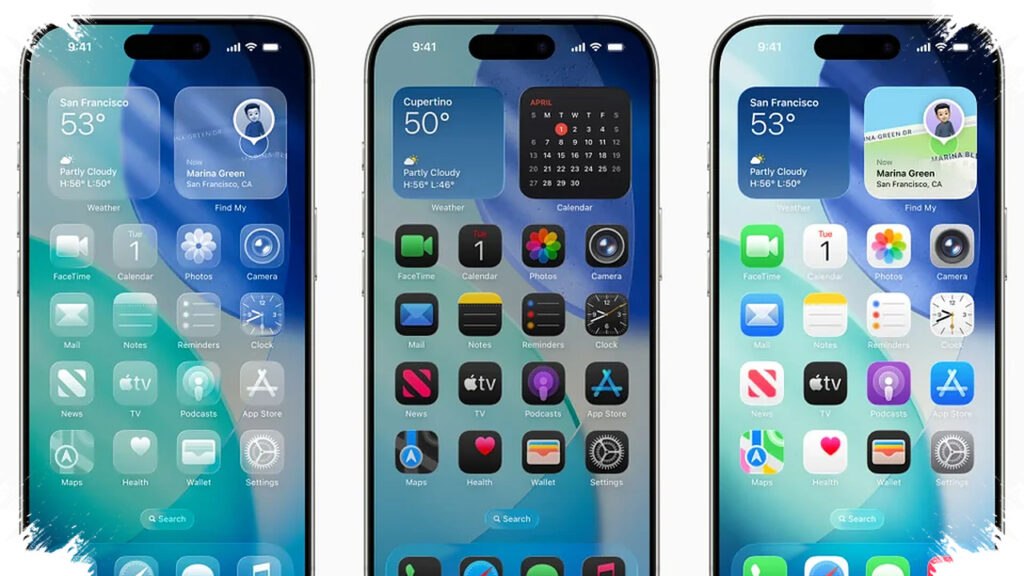
Customization appears to be another area of attention. One reported addition is a system-wide opacity slider that lets users adjust transparency levels across the interface.
There is also said to be undo and redo support for home screen customization. That should make it easier for users to experiment with layouts without starting over from scratch.
Autocorrect is expected to get updates as well, including alternate word suggestions. The aim is to make typing feel smoother and more intuitive.
Support narrows as Apple moves upmarket
The clearest sign of Apple’s new priority is the reported end of support for the iPhone 11 series and the second-generation iPhone SE. That decision lines up with a broader push toward hardware that can better handle modern AI and computing demands.
AI-driven features are said to be reserved for newer models, starting with the iPhone 15 Pro and later. That creates a wider gap between older devices that remain useful for basic tasks and newer devices that can handle the full AI experience.
There are also hints that iOS 27 is being prepared with foldable-device experiences in mind, including the rumored iPhone Ultra. Interface adjustments and multitasking improvements are reportedly part of that work.
Apple is expected to unveil iOS 27 at WWDC on June 8, 2026. Developer beta is said to follow in June, public beta in July, and the final release in September alongside the iPhone 18 lineup.
Source: www.geeky-gadgets.com