A Galaxy Watch could do more than track sleep, heart rate, or daily activity. Samsung says clinical research now points to a possible early warning system for fainting, with the device identifying the risk up to five minutes before an episode occurs.
That window matters because fainting often arrives with little time to react. A few extra minutes could help a user sit down, find a safe position, or call for help before losing consciousness.
Clinical findings behind the claim
Samsung said the result came from a clinical study conducted with Chung-Ang University Gwangmyeong Hospital in Korea. The findings were published in Volume 7, Issue 4 of the European Heart Journal – Digital Health.
The study involved 132 patients suspected of having vasovagal syncope. This condition happens when heart rate and blood pressure drop sharply, triggering fainting.
According to Professor Junhwan Cho from the Department of Cardiology at Chung-Ang University Gwangmyeong Hospital, as many as 40 percent of people experience vasovagal syncope at some point in their lives. He also said that one-third of that group experiences repeated episodes.
How the watch was tested
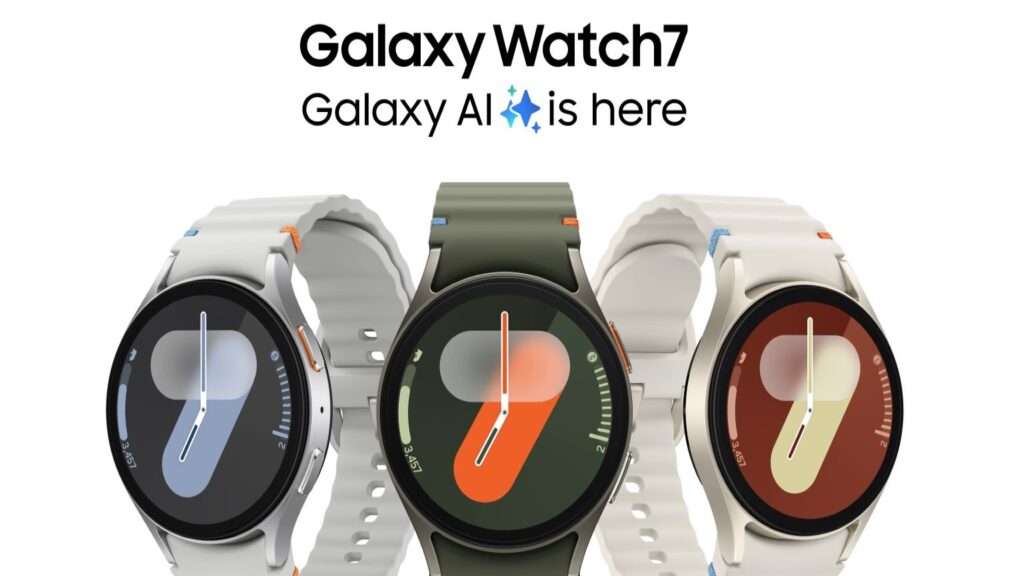
The prediction system was evaluated on the Galaxy Watch 6. Samsung used photoplethysmography, or PPG, together with an AI algorithm to read the signals that appear before fainting.
In the study, that combination was said to predict fainting events up to five minutes ahead with 84.6 percent accuracy. Samsung positioned the result as evidence that wearable sensors may detect more complex health patterns than simple heart-rate monitoring.
The company also highlighted why the timing is important. When fainting happens suddenly, people often cannot prepare for the fall or ask for assistance in time.
Why the extra minutes matter
Professor Junhwan Cho said early warning can help patients move to a safe position or request help. That kind of reaction may reduce the risk of secondary injury from a fall.
The research also suggests a broader shift in how wearables could be used in health care. Instead of only recording what has already happened, the device may help identify risk while early symptoms are still developing.
Samsung framed the study as part of that direction. Jongmin Choi, head of the Health R&D Group in Mobile eXperience Business at Samsung Electronics, said the research shows how wearables can support more preventive care.
He added that Samsung remains committed to driving technology innovation that helps users live healthier every day.
Not yet a commercial feature
Even with the encouraging data, Samsung has not confirmed that fainting detection is being prepared as a commercial feature. There is also no indication yet that the capability will arrive through a specific software update or appear in the next Galaxy Watch model.
For now, the study serves as early clinical evidence rather than a consumer-ready function. That distinction matters, since research validation and public product rollout are often separate stages.
A wider health role for Galaxy Watch
Samsung has steadily expanded the health tools on Galaxy Watch devices. On Galaxy Watch 8, the company already offers skin antioxidant measurement, vascular load tracking, heart rate, blood pressure, and sleep monitoring.
The fainting research adds another possible layer to that health lineup. If developed further, it could sit alongside the existing sensors and broaden the watch’s role as a personal health monitoring device.
The study also gives additional weight to PPG sensors in wearable hardware. They are commonly associated with heart-rate readings, but this research suggests their use may extend to more advanced risk detection.
For users prone to vasovagal syncope, that could eventually mean a useful buffer before a sudden episode. The next step depends on further validation, software development, and Samsung’s decision on whether the technology is mature enough for a wider release.