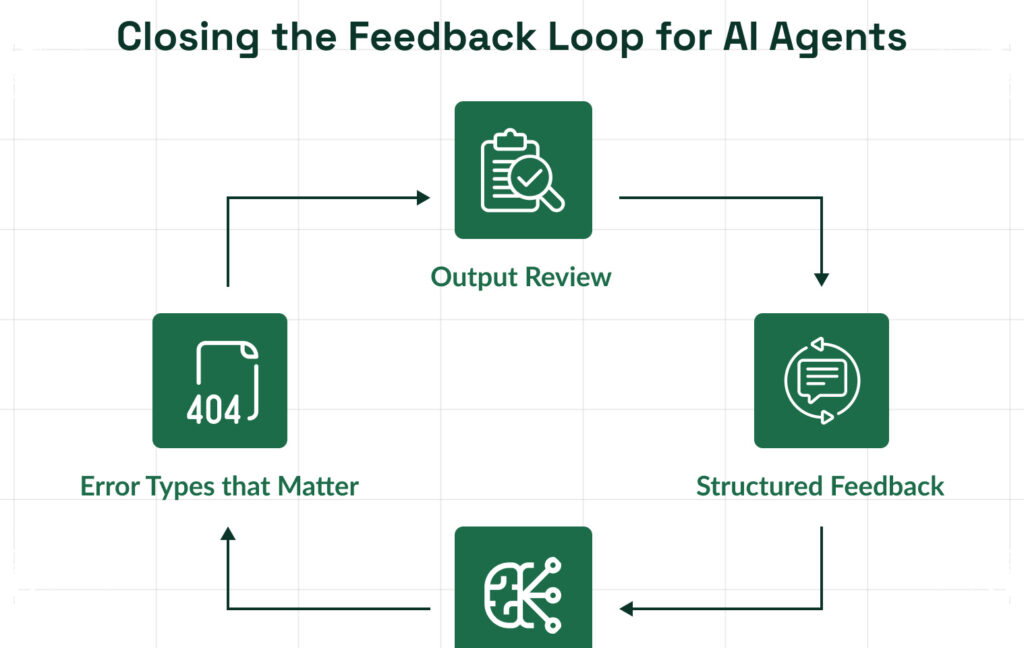
Anthropic is pushing Claude beyond simple task execution with a new preview feature called “dreaming.” The idea is to give the agent time to review what it has already done, spot recurring mistakes, and improve how it stores useful information for later use.
The feature is now available in preview for Claude Managed Agents, and developers can request access through the Claude website. Instead of acting only in the middle of a task, Claude can enter a reflection phase after a session ends and process what happened during its previous work.
How the dreaming mode works
When dreaming is triggered, Claude reviews the agent’s actions since the last dreaming session and builds a summary of what took place. Anthropic says this helps surface patterns that are easy to miss when looking at a single agent in isolation.
That includes repeated errors, common workflow choices, and preferences shared across a team. In practice, the system is meant to turn raw activity history into something more useful than a simple log of events.
Why Anthropic thinks this matters
The biggest emphasis is memory management. Anthropic is trying to keep memory meaningful even as it grows over time, especially in long-running agent deployments where information can become noisy or harder to use.
With dreaming, Claude does not only learn while it is actively completing tasks. It also consolidates lessons from multiple sessions, which should make it easier to preserve what worked and avoid repeating what failed.
That approach is especially relevant for extended workflows and multi-agent orchestration. In those environments, many actions and decisions accumulate over time, so a system that can reflect on its own history may be more useful than one that only records it.
From leak to official preview
The feature was leaked about a month ago, but Anthropic has now formally introduced it as a preview. Developers who want to try it can apply for access directly rather than waiting for a wider release.
The name “dreaming” is meant to echo the human need for sleep. In Anthropic’s technical framing, it describes a period when the system stops taking in external input and filters the data it has already collected so it can organize and retrieve it more effectively.
That makes the feature less about flashy new behavior and more about post-task evaluation. The core goal is to help Claude look back at its own actions, identify unhelpful habits, and refine how it approaches the next session.
Still in preview, with caution attached
Anthropic says dreaming is not finished yet. Because it remains in preview, the company warns that changes could still break compatibility or introduce other issues during testing.
Users will receive at least one week of notice if adjustments are needed. Anthropic also recommends caution before using the feature in critical or sensitive workflows, where stability matters more than experimentation.
For now, dreaming should be treated as a development tool rather than a fully settled production foundation. Even so, it signals a clear direction: Anthropic wants Claude not only to do more work, but also to learn from its own history and improve from one session to the next.
Source: www.xda-developers.com