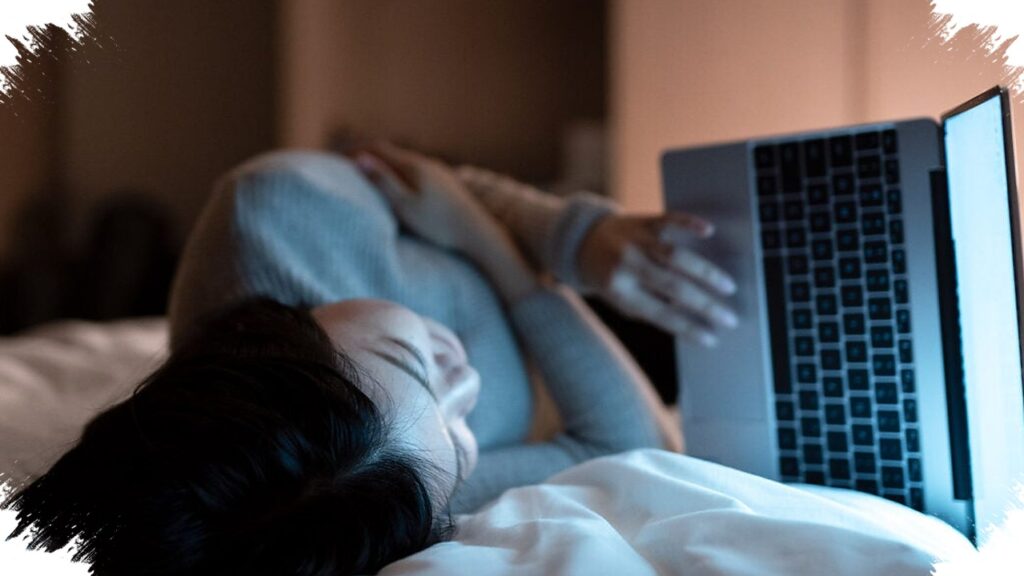
Even a phone session that feels harmless at night can leave the eyes strained and the body less ready for sleep. The issue is not only how long the screen stays on, but also how bright it is, how close it sits to the face, and whether the room is already dim.
Blue light from smartphones, tablets, and computers is part of the high-energy visible spectrum. Because digital devices are used for work, study, games, and social media, avoiding exposure entirely is difficult in daily life.
The problem becomes more noticeable when the exposure lasts too long. Eyes may feel tired, dry, sore, or briefly blurry, and headaches can also appear.
Sleep disruption is another concern that often follows late-night screen use. Blue light at night can affect melatonin production, the hormone that helps the body prepare for sleep.
Why nighttime use draws special attention
Using a phone at night creates a stronger strain in many situations because the surroundings are usually darker. When a bright screen is held in a low-light room, the contrast forces the eyes to work harder to keep focus.
Screen brightness can make that strain worse. The brighter the display, the greater the potential for eye discomfort, especially when the device is used for a long period without breaks.
This is often the moment when casual habits turn into a physical burden. Scrolling social media, watching videos, or replying to messages before bed may feel light, but repeated use can still leave the eyes exhausted.
What the eyes and sleep may feel like
The discomfort from excessive exposure does not always appear in the same way for everyone. Some people notice a burning sensation in the eyes, while others first experience blurred vision or a headache.
Dryness is also common when screen time runs long. When the eyes stay focused on a close, bright display for too long, the feeling of fatigue can build gradually.
The sleep impact can be just as disruptive. Reduced melatonin production at night may make it harder for the body to settle into its normal sleep pattern.
What built-in eye protection can do
Many modern devices now include eye protection features or night light modes. These settings reduce blue light by making the screen look warmer and more yellow.
That warmer tone is often more comfortable during evening use. For many users, it can be a practical first step to reduce visual strain while the device is still needed.
The feature is usually available in display settings. On some operating systems, it can also be scheduled to turn on automatically at certain hours.
Even so, the setting is not a complete solution. Long use without rest can still trigger eye complaints even when eye protection mode is active.
Simple habits that help reduce strain
Taking regular breaks from the screen remains one of the most basic ways to ease pressure on the eyes. Looking away every few minutes can help reduce the tension that builds during continuous use.
Distance matters as well. When the phone is held too close, the eyes must work harder to keep the image in focus for an extended period.
Room lighting also plays an important role. Using a phone in a space with enough light helps keep the contrast between the screen and surroundings from becoming too extreme.
By contrast, a very dark room makes the display stand out more sharply. That can increase the burden on the eyes, especially late at night.
For people who rely heavily on digital devices, regular eye checkups are also advised. They can help detect vision problems earlier and support better long-term eye care.
Digital habits are now difficult to separate from everyday routines. Still, screen settings, shorter use periods, breaks, a comfortable viewing distance, and adequate room lighting can all help reduce the impact of blue light and keep the eyes more comfortable.